






 Portuguese
  Spanish


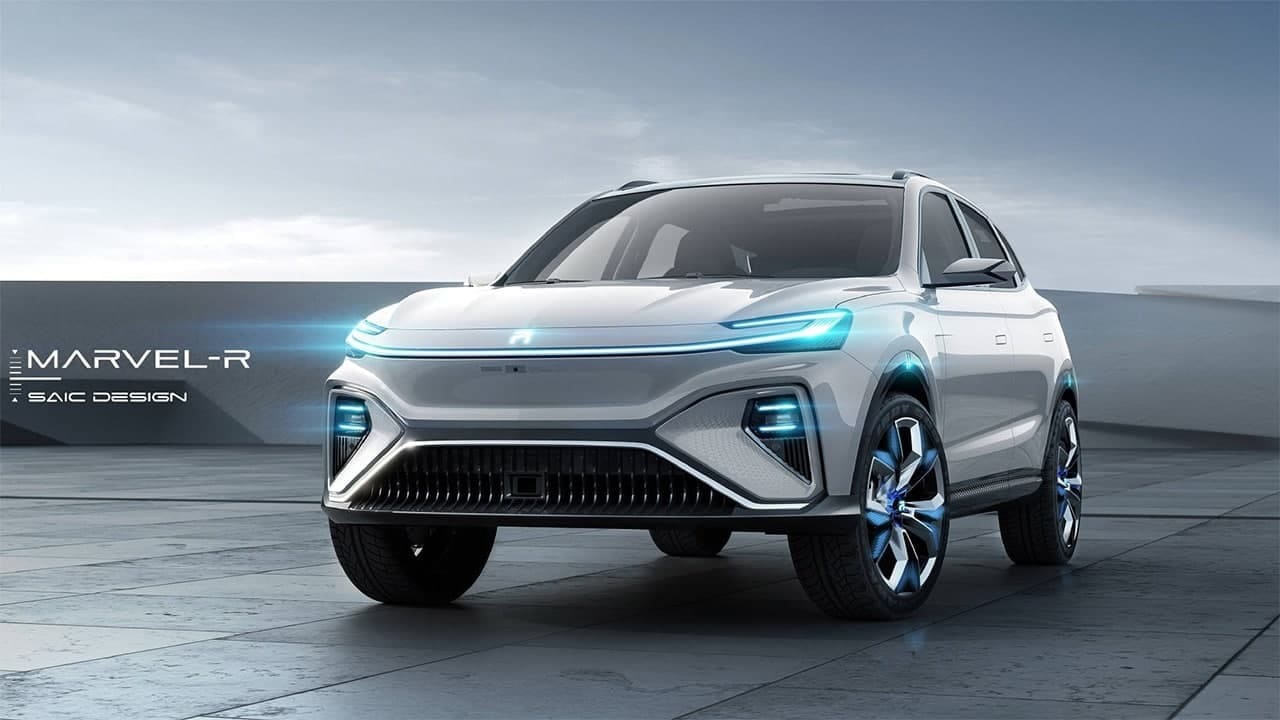


In Recent Years, The Advancement Of Solid-State Batteries Has Become One Of The Most Discussed Topics In The Technology And Electric Mobility Sector. Companies Around The World Are Heavily Investing In This Promise That Could Transform The Future Of Electric Cars. Now, A New Announcement From Huawei Further Amplifies This Global Race.
Huawei Announced An Advancement That Could Change The Course Of The Electric Car Industry. The Chinese Company Unveiled A New Solid-State Battery Architecture With High Potential For Range And Safety.
The New Development Has Reignited The Global Competition For This Type Of Technology, Seen As The Next Big Leap In The Automotive Sector.
Intense Race For The New Generation Of Batteries
Solid-State Batteries Are Viewed As The Future Of Electric Mobility. They Promise Long Trips Without Worries About Recharging.
-
Fiat Cronos Precision 2018: Affordable Sedan with Spacious Trunk and Reliable Maintenance

-
Volkswagen to Cut Production by 1 Million Cars by 2030, Reducing Jobs and Platforms, Focusing on More Profitable Models

-
Toyota Launches First 100% Electric Car in Brazil: bZ4X with 343 HP, All-Wheel Drive, 361 km Range, Priced at $419,990 BRL, Limited to 99 Units

-
Chinese SUV Achieves 24.4 km/l, Outperforms Toyota Yaris Cross in Real-World Tests with 224 hp Hybrid System, Offers 51-Liter Tank for Greater Range, and Costs Up to R$ 5,000 Less.


However, There Are Still Obstacles To Mass Production. No Manufacturer Offers This Type Of Battery In Current Vehicles, Although Companies Like Toyota, Volkswagen, And Mercedes Are Engaged In Research Or Partnerships.
While Toyota Anticipates Commercial Use Starting In 2028, Some Chinese Brands Are Already Testing With Good Results. Mass Production, However, Remains The Biggest Challenge.
Huawei Patent Details Significant Gains
Huawei Presented A Patent With Bold Promises. The New Battery Can Achieve Energy Densities Between 400 And 500 Wh/kg, Which Represents Two To Three Times More Than Current Lithium-Ion Batteries.
The Technical Differentiator Lies In The Doping Of Sulfide Electrolytes With Nitrogen, A Technique Used To Prevent Secondary Reactions At The Lithium Interface.
This Has Always Been A Common Obstacle In Solid-State Batteries. Huawei’s Design Aims To Improve Electrochemical Stability, As Well As Enhance Safety And Extend Battery Life.
Impressive Numbers, But Still Theoretical
Huawei Claims That Its New Technology Can Offer Up To 3,000 Km Of Range And Allow Full Charges In Just Five Minutes.
But Experts Warn: These Figures Are Theoretical And Would Require A Charging Infrastructure That Is Not Yet Available Commercially.
Even So, The Proposal Has Caught The Attention Of Competitors Around The World. Huawei’s Advancement Has Raised Concerns Among Japanese And South Korean Companies, Which Observe The Chinese Growth With Caution.
China Leads In Number Of Patents
The Leap By Huawei Reflects A Broader Movement In China’s Technology And Automotive Sector.
With Billion-Dollar Government Investments, The Country Is Starting To Dominate The Solid-State Battery Front As Well.
Today, Chinese Companies Register More Than 7,600 Patents Of This Type Each Year, Equivalent To 36.7% Of Global Patents.
Huawei, Even Without Directly Manufacturing Energy Batteries, Has Been Deepening Its Research Of New Materials.
In Addition, Other Brands Like Xiaomi Are Also Investing In The Sector. The Goal Is To Break Range Barriers. Xiaomi, For Example, Is Working To Ensure Its SU7 Model Exceeds 1,200 Km On A Single Charge.
Despite The Promises, It Will Still Take Time For Solid-State Batteries To Be Present In Cars Sold To The Public.
Huawei May Have Taken An Important Step, But The Next Chapters Of This Technological Race Are Still Open. Infrastructure, Costs, And Mass Production Remain Significant Challenges.








Até 2030 só não terá carro elétrico quem quiser usar carros obsoletos. Os gargalos até 2030 vão acabar. As baterias de estado sólido acabam com o problema de ficar na estrada, os motores radiais ou usando fios de carbono vão aumentar o rendimento, o torque e a potência dos motores e o aumento de pontos de recarga vai dar tranquilidade nas viagens longas. Além disso as novas baterias vão durar muito mais, não vão pegar fogo 🔥 e diminuirão de preço, pois não usarão terras raras. Tudo a favor do carro elétrico que usa energia limpa, não polui o ar e tem custo de manutenção muito baixo…
Chegando ao Brasil, a máfia da Anfavea vai triplicar o Preço para vender no CUSTO BRASIL, porque o brasileiro B…O PAGA😱
Falou pouco e falou tudo.
Mesmo que essa tecnologia prospere teremos muita água pra navegar,estrutura pra carregamento,vida util dessas baterias e não se pode esquecer que o aumento da densidade das baterias aumenta o risco de explosão e incêndio, só o tempo dirá o que acontecerá.