






 Portuguese
  Spanish


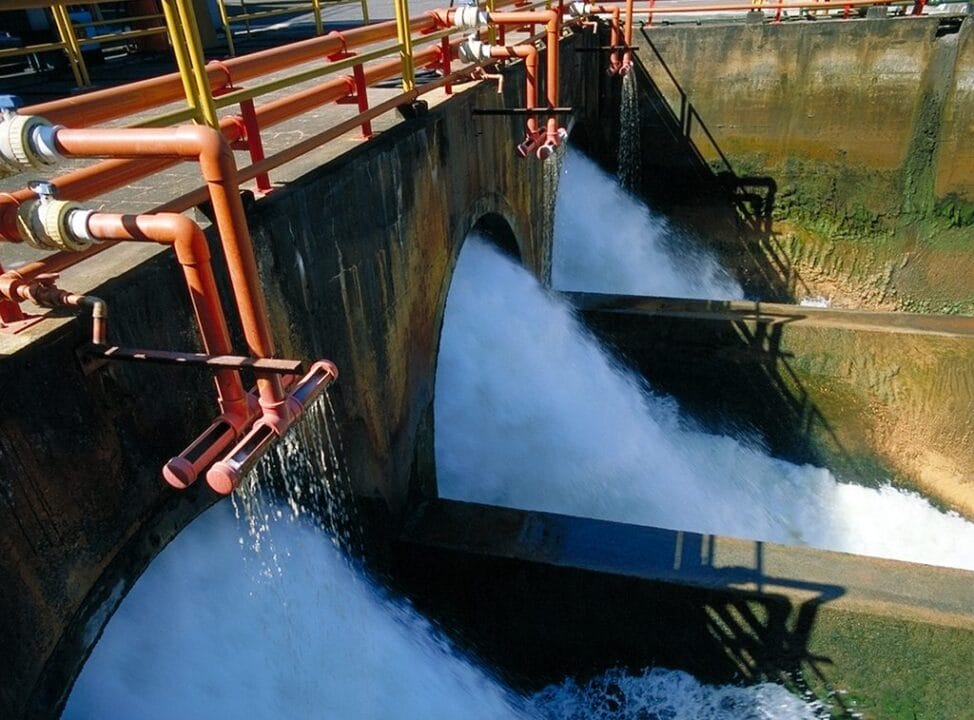

Some Argue That Privatization Has The Potential To Reduce Company Expenses, Resulting In Greater Efficiency And Financial Stability. Furthermore, The Transfer Of Control To The Private Sector Could Generate A Significant Increase In Profits, Benefiting The Organization As A Whole.
According To Queiroz, There Are Two Factors That Can Influence Stock Prices: The Time Required To Finalize The Privatization And The Amount Of Penalties For Delays In The Execution Of Basic Sanitation Projects.
These Two Points Have The Potential To Significantly Impact The Valuation Of The Shares, Highlighted Queiroz. He Also Emphasized The Importance Of Considering These Aspects When Analyzing Stock Market Behavior In The Context Of Privatization And The Sanitation Sector.
The Privatization Plan For Sabesp Advances To A Vote In The Plenary Of The São Paulo Legislative Assembly. The Forecast Is That Legislators Will Discuss The Text During The First Week Of December. A Report From Genial Investimentos Highlights That The Project May Still Undergo Changes In This Next Phase, Including Amendments By Lawmakers.
-
OPEC+ Boosts Oil Supply by 188,000 Barrels per Day in July 2026, Leading to Price Drop from $112 to $89 per Barrel in Under Two Months

-
TotalEnergies Signs 20-Year Deal to Purchase 2 Million Tons of LNG from Alaska, Boosting Project Viability
-
Turkey Deploys Çağrı Bey Drilling Ship to Explore New Oil Frontier Off Somalia’s Coast
-
Golden Pass LNG Ships First Liquefied Gas Cargo from the U.S., Completing $10 Billion QatarEnergy and ExxonMobil Investment




According To Hugo Queiroz, Director Of Corporate Advisory At L4 Capital, It Is Unlikely That Something Similar To What Happened With Eletrobras Will Occur, Where Harmful Amendments Were Added To The Energy Company At The End Of Approval. ‘Sanitation Contracts Are More Complex And Are Divided Among Various Cities, Making It Difficult To Include Harmful Amendments’, Said The Specialist, Highlighting That Sanitation Contracts Are Tighter And Fragmented Across Various Municipalities, Making It Difficult To Include Many Riders.
Impact Of The Privatization Of Sabesp, According To Guide Investimentos
According To The Report From Guide Investimentos, The Approved Text Exhibited Few Alterations Compared To The Proposal By The Government Of São Paulo On October 17. The Main Modification Was The Inclusion Of The Guarantee Of Job Stability For Sabesp Employees For 18 Months, As Pointed Out In The Document.
Analysts Argue That The Privatization May Result In Reduced Company Costs, In Addition To Bringing Gains In Efficiency And Predictability. According To Passos, “Once Privatized, The Company Will No Longer Need To Conduct Biddings For All Purchases, Which Will Help Streamline Processes.”
Experts Are Confident In The Speed Of Progress In The Privatization Process Of Sabesp. On July 22, State Legislators From São Paulo Approved The Project Report For The Privatization Of The Company In The Committees Of The São Paulo Legislative Assembly (Alesp).
“Approval Within The Schedule Established By The Government Is Favorable And Increases Expectations That The Privatization Will Be Completed Quickly, Still This Year,” Explains Rafael Passos, A Specialist At Ajax Asset.
Source: InfoMoney








