Portuguese
  Spanish


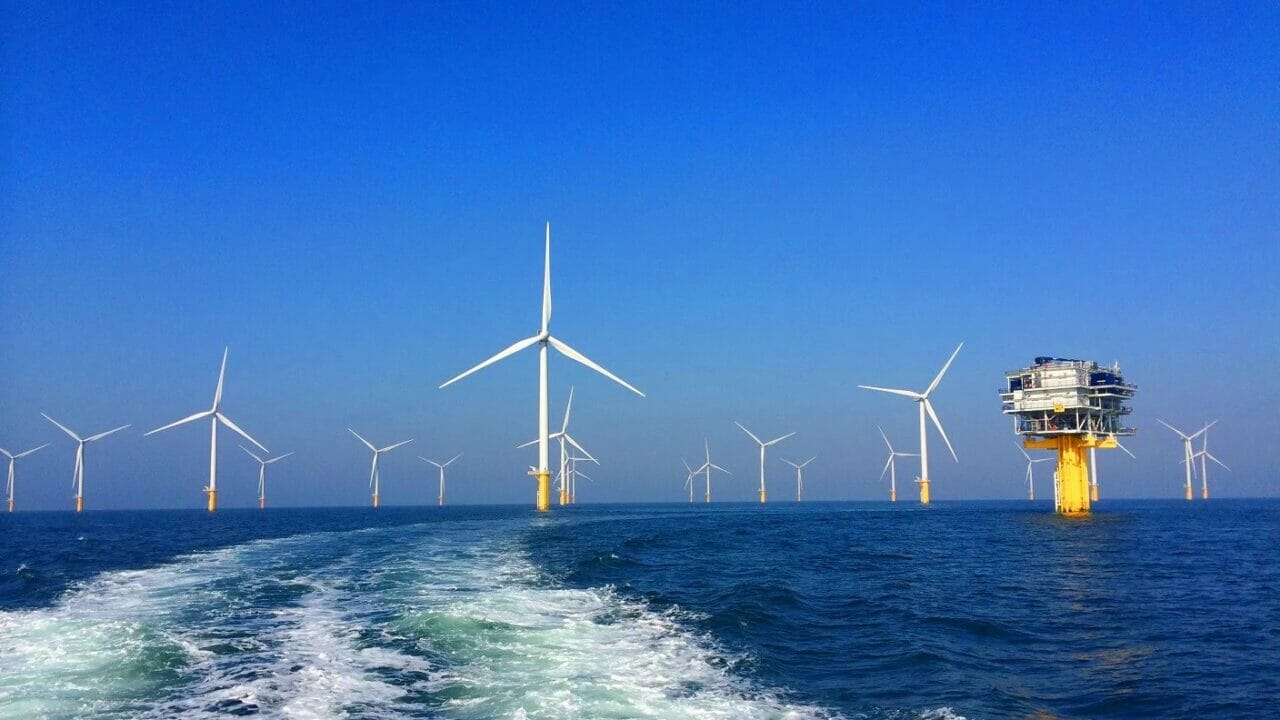

Aneel Is Planning To Extend The Arrival Of The Regulatory Framework For Offshore Wind Energy Until Next Year. According To Experts, The Delay Leaves Investors Unsettled And Investments Parked.
The National Electric Energy Agency (Aneel) plans to extend the deadline for establishing the regulatory framework for offshore wind energy generation, that is, at sea, until next year. In the state of Ceará, this is vital for the installation of the Green Hydrogen Hub at the Pecém Industrial and Port Complex.
Delay In Consensus Leaves Investors Unsettled
Reports also indicate that energy sector entrepreneurs, especially those generating renewable energies, are willing to pressure Aneel against this extension, arguing that something must be done this year.
Some rules of the regulatory framework, which will be defined by the Ministry of Mines and Energy based on studies from the Energy Planning Company (EPE), should be known throughout this year. The delay in building a consensus and governance within the government regarding the energy transition is generating discomfort among investors and unrest in the market.
-
Brazilian scientists are simultaneously advancing two research projects on clean hydrogen and driving solutions that could transform the energy matrix, enhance industrial competitiveness, and accelerate large-scale emission reduction targets.

-
Advancement in renewable energy: A R$ 150 million project launched by Petrobras and Finep aims to create state-of-the-art electrolyzers for green hydrogen, strengthening national research and preparing Brazil to compete in a billion-dollar energy market.
-
Illiterate or semi-literate grandmothers were trained to repair solar systems, open rural workshops, and light up homes that still depended on kerosene.
-
The world has bet on green hydrogen as the fuel of the future, but now faces the side effect: producing 1 kilogram requires about 9 liters of ultrapure water, and the largest projects on the planet are precisely in the driest regions of the Earth, where water is already scarce for people.




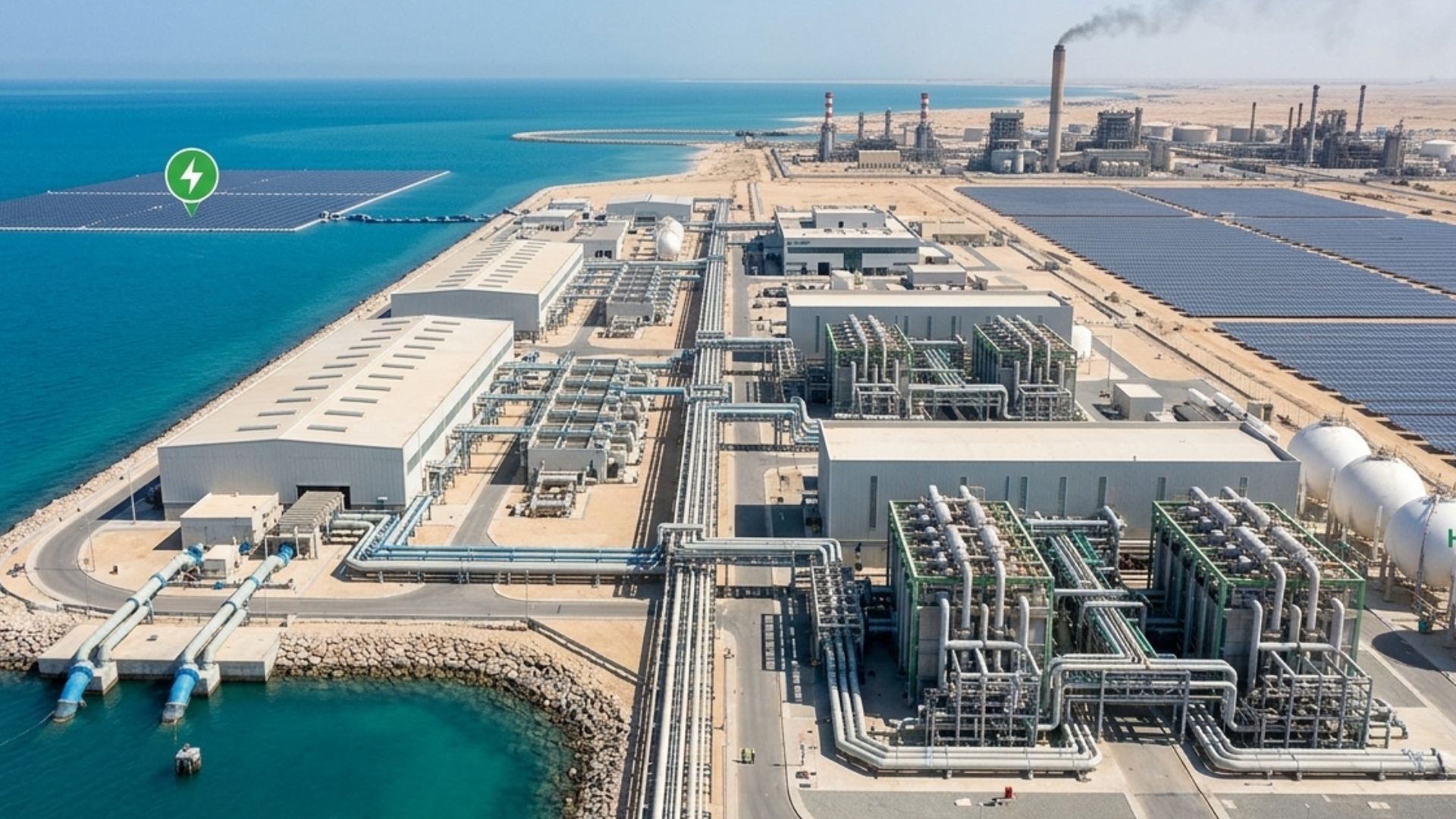


The delay in regulating offshore wind energy may compromise the timeline for constructing renewable energy generation projects along the coast of the state, in the Northeast region, and across Brazil. This may, for example, lead to delays in the timeline for installing Green Hydrogen production projects at the Pecém Complex.
Unfortunately, there are currently no indications from the Ministry of Mines and Energy regarding the development of a legal framework for offshore wind energy generation and Green Hydrogen. Until this framework is defined by Aneel and subsequently debated and approved by the National Congress, ultimately becoming law, investments in the offshore wind energy sector will remain stalled, risking investors’ withdrawal.
Governments Should Exert Political Pressure on the Palácio do Planalto
The suggestion is that the governments of Rio Grande do Norte, Piauí, Maranhão, Bahia, Ceará, and Pernambuco, which have projects aiming at Green Hydrogen production from offshore wind energy, exert political pressure on the Palácio do Planalto and the Ministries of Mines and Energy, which seem disinterested in the matter, of the Environment, of Industry and Commerce, of Finance, and also on the management of Petrobras, given that this is an essential project to meet the decarbonization targets promised by the government of the country.
Renewable energy generation at sea is already a reality in Asia and Europe. Its installation costs are still very high but will be reduced as new technologies and materials are developed and utilized.
Petrobras Plans To Invest R$ 271 Billion In Offshore Wind Energy
In March, Petrobras announced the signing of a letter of intent with Norwegian company Equinor to evaluate the feasibility of constructing seven offshore wind energy projects along the country’s coast.
The installed capacity of these projects is 14.5 GW, with a capex of US$ 52.2 billion, equivalent to R$ 271 billion, which, in addition to generating thousands of new jobs in Brazil, would require significant investment from the company.
Petrobras’ initiative is essential for the ecological energy transition. The goal of Petrobras’ offshore wind energy projects is to diversify revenue toward renewable sources as part of the company’s strategic plan for the next five years. However, some still question the choice of offshore wind over onshore options.