Portuguese
  Spanish


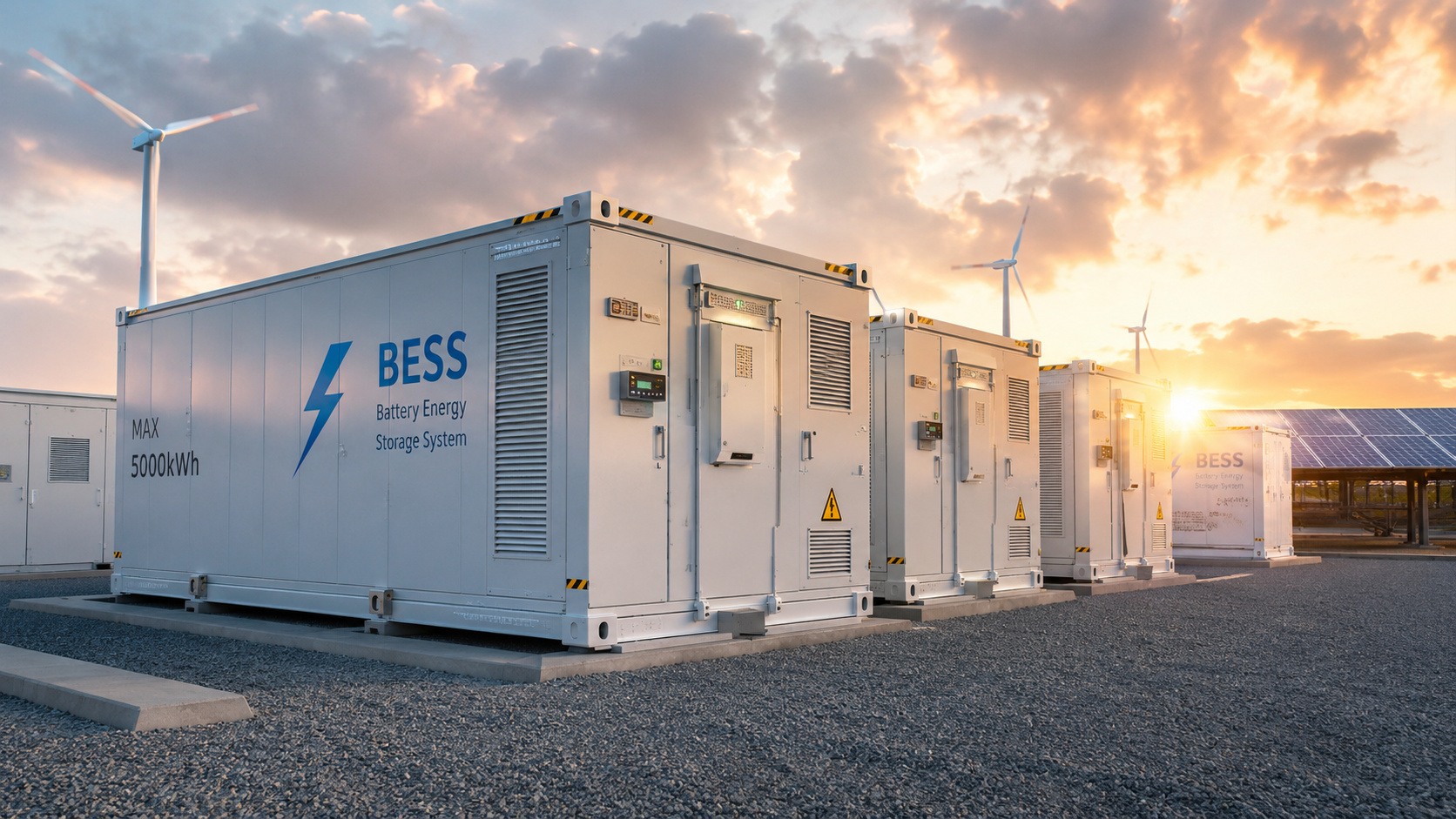
ANEEL Published New Guidelines for the Installation of Energy Storage Systems Alongside Power Generation Plants. The Guidelines Aim to Ensure Safety, Efficiency, and Integration with the National Grid, Strengthening the Progress of Renewable Energy in Brazil.
In another step towards the modernization of the electric sector, ANEEL (National Electric Energy Agency) announced, last Friday (10), a set of technical guidelines aimed at entrepreneurs who wish to install Energy Storage Systems (ESS) alongside generation plants.
The measure, according to the Agency, primarily focuses on ensuring that the systems operate with safety, efficiency, and full integration into the national electric grid. Moreover, the initiative seeks to enable better utilization of energy produced from renewable sources, such as solar and wind, whose generation varies according to weather conditions.
With the new parameters, ANEEL reinforces its commitment to creating a regulatory environment favorable to technological innovation, capable of attracting new investments and enhancing the reliability of the Brazilian electric system.
-
USP researcher creates thesis to attract international funds for the country’s electric energy sector

-
Trafigura receives authorization from ANEEL to trade electricity in Brazil and expands its operations in the largest energy market in Latin America.
-
Mobile solar panels promised to share space with corn crops, but the 20% to 25% shade reduced production by an average of 7.7% and opened a new dispute between energy and food.
-
More than 80 million kilometers of wires need to be replaced by 2040: the energy transition doesn’t just depend on panels and electric cars, but on a colossal race for copper, aluminum, transformers, and recycling of old cables.


Energy Storage Strengthens Stability and Reduces Waste
Energy storage systems emerge as a strategic solution to the challenges of the national energy matrix. Through high-capacity batteries, it is possible to store electricity generated during low demand periods and release it during higher consumption periods.
This mechanism helps optimize the use of renewable generation and reduces energy waste, ensuring a constant supply for the population. ANEEL emphasizes that storage also increases the reliability and stability of the grid, allowing for more precise control of supply and demand.
According to experts, large-scale adoption of these systems represents a fundamental advance for the energy transition in Brazil, as it allows clean and intermittent sources to be utilized more efficiently and predictably.
Documents Required for New Projects with ANEEL
Entrepreneurs interested in integrating storage systems with already granted power generation plants must follow a detailed documentation process. Among the mandatory items required by ANEEL are:
- General layout of the project, with the delineation of the polygon of the system and the restricted interest grid, according to the model available on the Agency’s website;
- Complete technical study, containing the estimate of annual energy injection, forecasted operation profile, overall system efficiency, discharge power, storage capacity, and description of the technology used;
- Environmental license compatible with the technical characteristics of the project;
- Contracts for the use of the transmission or distribution system (CUST/CUSD), accompanied by the access opinion;
- Executive Summary for granting issuance and Declaration of Compliance with regulatory requirements.
If it is impossible to present any of these documents, the interested party may submit a formal justification for the Agency’s analysis.
ANEEL highlights that energy storage plays an essential role in modernizing the national electric system, allowing for loss reduction, operational efficiency improvement, and smarter integration of renewable sources into the energy matrix.
Through these new guidelines, the Agency seeks to stimulate the adoption of advanced technologies and foster the development of sustainable projects that combine innovation and safety. The initiative reflects a vision of a more dynamic and stable future for the sector, opening space for Brazil to consolidate its leadership in clean and efficient energy.