Portuguese
  Spanish


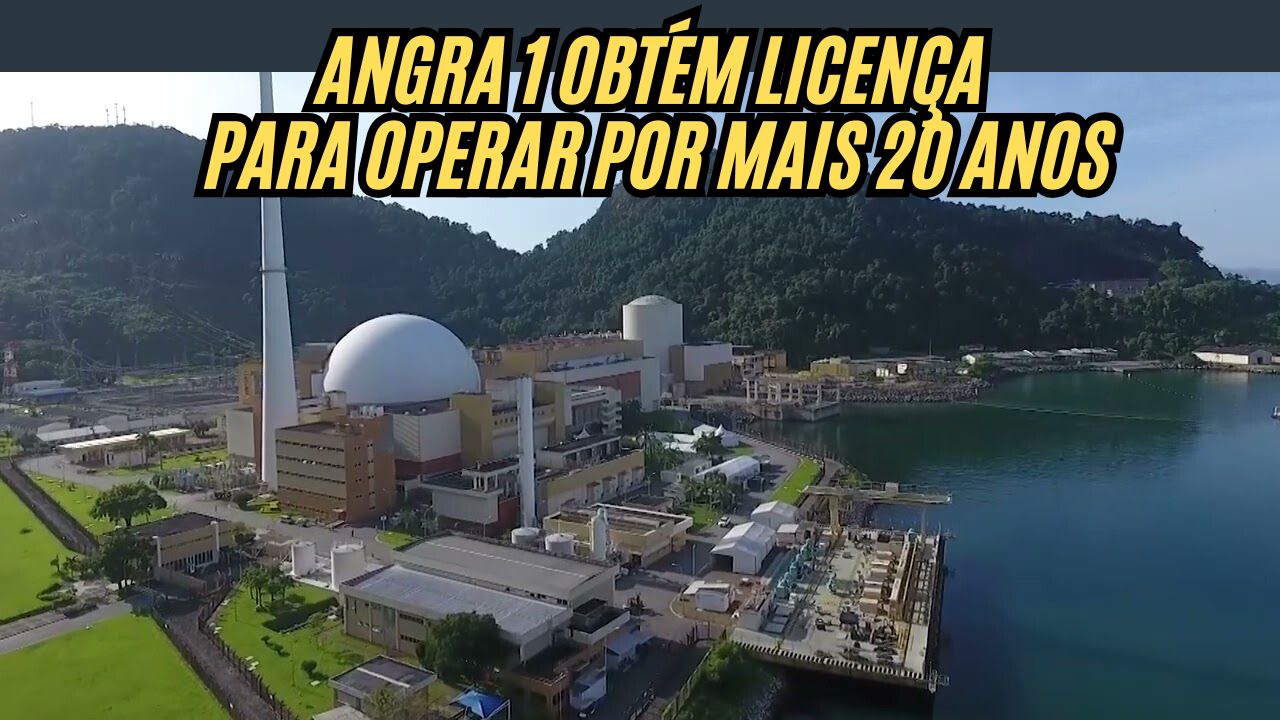

Renewal Reinforces Eletronuclear’s Commitment to Nuclear Energy in Brazil and Projects Modernization of the Plant by 2044.
Eletronuclear secured, this Thursday (21), the renewal of the operating license for the Angra 1 plant for another 20 years. With this, Brazil’s first nuclear plant can operate until December 2044. The decision was formalized by the National Nuclear Energy Commission (CNEN) and marks an important step in extending the lifespan of one of the largest energy generation projects in the country.
The renewal will be accompanied by a robust investment of R$ 3.2 billion, to be made between 2023 and 2027. The financial contribution includes four annual installments of approximately R$ 720 million until 2026 and R$ 320 million in the last year. This resource will be directed towards the complete modernization of the plant, an essential step to ensure its efficiency and safety.
Modernization and Achievements of Eletronuclear
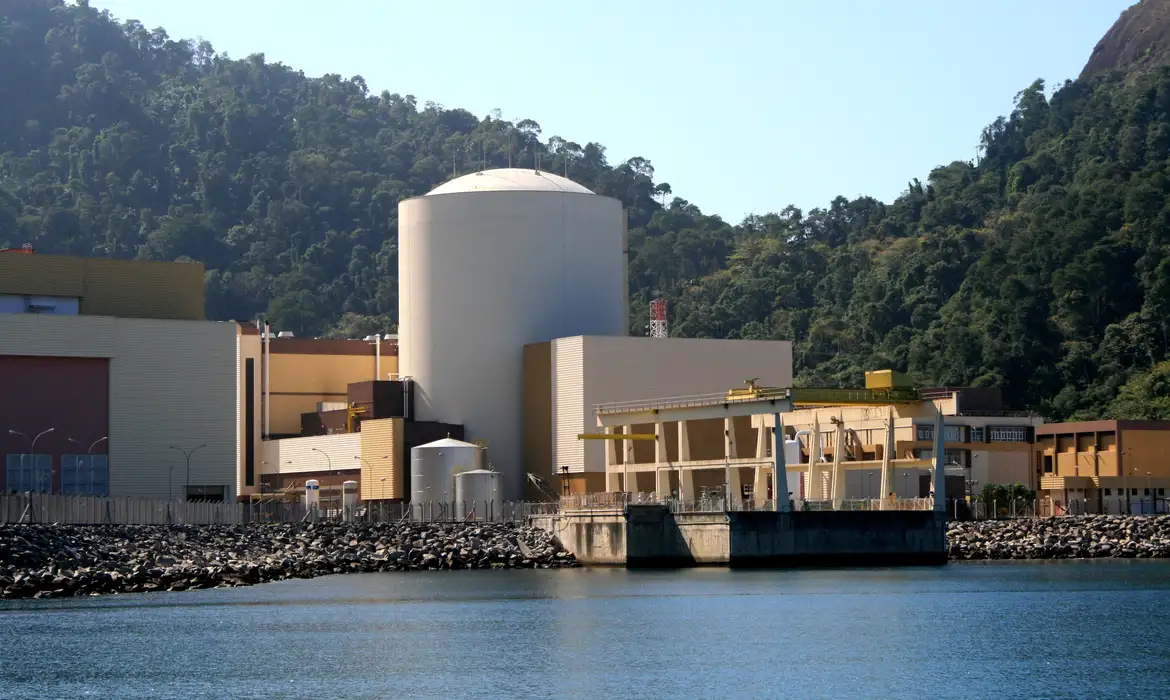
The process to expand the operation of Angra 1 began in 2019 when Eletronuclear officially requested the renewal. Since then, the company has dedicated an exclusive technical group to meet regulatory requirements and make significant improvements. This renewal is considered a milestone in the strategic projects of Eletronuclear, which also prioritizes the resumption of construction of the Angra 3 plant.
-
American company drills a 1,830-meter hole in Kansas using oil well technology, places a nuclear reactor inside, and claims it will generate electricity without any cooling tower.

-
Canada invests more than 2 billion dollars to upgrade an old nuclear laboratory and try to rival the world’s major atomic energy powers.
-
Nuclear company backed by Bill Gates partners with Hyundai for next-generation 345 MW nuclear reactor

-
Russia is sailing all 8 nuclear icebreakers of its fleet simultaneously for the first time in history, as the Arctic freezes two weeks earlier than expected.




According to Raul Lycurgo, president of Eletronuclear, the hard work of the past five years reflects the company’s commitment to nuclear energy in Brazil. He compared Angra 1 to plants in the United States that operate with the same characteristics and have already received licenses to operate for up to 80 years. “This achievement demonstrates our technical capability and long-term vision,” emphasized Lycurgo.
Angra 1: Legacy and Efficiency
In commercial operation since 1985, Angra 1 features a pressurized water reactor (PWR), the most common type in nuclear plants around the world. With a capacity of 640 megawatts, the plant can meet the consumption of a city of 2 million inhabitants, providing energy to the national electric system 24 hours a day.
Only in 2023, Angra 1 generated 4.78 million MWh, with an impressive load factor of 88.24% over the last five years. This indicator places the plant among the most efficient in the world, operating an average of 322 days per year at maximum capacity.
Although the plant was acquired from the American Westinghouse as a complete package without technology transfer, Eletronuclear has managed to develop its own expertise over the decades. Today, the company uses efficiency indicators superior to similar plants, in addition to continuously investing in technological modernization.
Energy for the Future
The renewal of the Angra 1 license and the planning for the coming years reinforce Eletronuclear’s role in strengthening the nuclear energy sector in Brazil. With robust investments and a strategic vision, the company paves the way for a more sustainable, efficient, and safe energy future.