






 Portuguese
  Spanish
  2 min of reading
  0 comments



In The US, Expectation of Deceleration; In Brazil, Taxation of Sports Betting and ICMS Subsidy Come Into Focus.
Investors are eager to know today’s inflation numbers. Super Wednesday promises to be a major thermometer for the financial market at the end of 2023. Analysts expect that the official consumer price indexes from Brazil and the United States will show a slight deceleration in the overall index in November. These projections are crucial for the expectation of maintaining the pace of interest rate cuts by the Central Bank’s Monetary Policy Committee in the coming months, directly influencing investment decisions.
The inflation data today serves as price indexes, acting as thermometers for the financial market. The numbers are critical for maintaining stability and investor confidence. Inflation expectations within the target range bring a positive outlook for sustaining interest rate cuts; however, the political maneuvering in Brasília could also pose challenges for the economy. The Senate votes today on the sports betting tax bill, and the Chamber prepares to deal with the ICMS Subsidy MP, showing that the economy is subject to significant variations.
The escalation of inflation has been a constant concern, with price indexes acting as indicators of this situation. International stock markets have been closely monitoring the monetary policies of various countries amid political movements that could directly impact revenue and the green fund. Meanwhile, billion-dollar profits remain in the spotlight, with investors keeping an eye on cryptocurrencies, oil, and the monetary tightening being applied in various countries.
-
Petrobras is expected to complete the drilling of the Morpho well in the Foz do Amazonas in August 2026, the first well in the Equatorial Margin, an oil frontier that the ANP estimates at more than 30 billion barrels and could redraw the map of Brazil.

-
Oil returns to the center of concerns with tension between the US and Iran

-
IEA reduces forecast for global oil demand in 2026 after impacts of the Middle East crisis

-
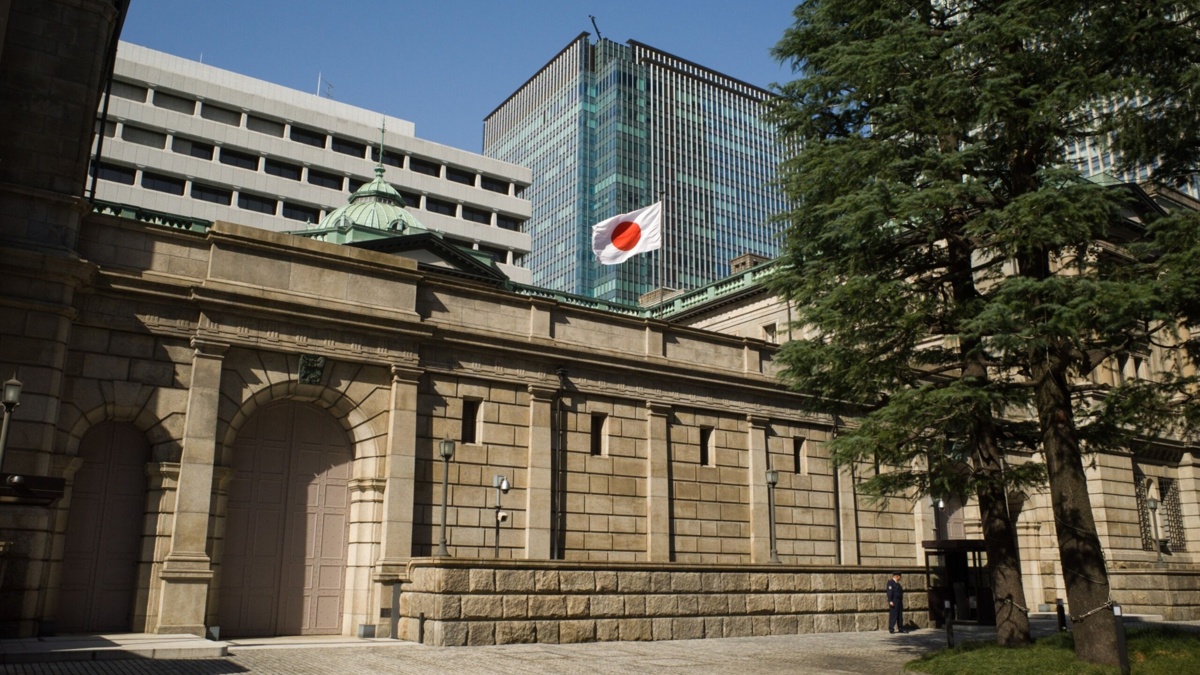
Bank of Japan raises interest rates to 1%, reaching the highest level in over three decades


The threat of annexation in certain regions has also contributed to uncertainty in the markets, while the administrative center has sought alternatives to contain inflation. Amid this scenario, the search for solutions has intensified, with heated debates regarding the best strategies to adopt.
The concern about the escalation of inflation is palpable, and discussions about monetary policies are becoming increasingly relevant. Meanwhile, political activity continues to influence decision-making, putting revenue and the green fund in jeopardy. Billion-dollar profits continue to attract investors, who remain vigilant regarding cryptocurrencies, oil, and monetary tightening.
The uncertainty generated by the threat of annexation in some regions is reflected in the markets, with the administrative center seeking solutions to contain inflation. In this context, discussions remain spirited, with different views on the strategies to be adopted. The search for alternatives to deal with inflation is constant, and the need to find effective solutions is ever more pressing.
Source: MoneyTimes


Be the first to react!