






 5 min of reading
  0 comments


Modular model combines accelerated installation, solar energy, rainwater collection, and premium finish in a contest that exposes different paths for the future of resilient housing, connecting luxury, autonomy, and industrialized construction in a sector increasingly pressured by costs and climate events.
Mesocore has entered the modular home market by presenting prefabricated residential units with an off-grid operation proposal, high-standard finish, rainwater collection, solar energy, and quick installation on the site, according to information released by the company itself.
The comparison with Boxabl gained momentum because the company became known worldwide after its Casita model was associated with Elon Musk, who initially denied living in a unit of the brand but later stated he uses a Boxabl as a guest house.
While Boxabl consolidated its image around a compact, foldable home with simplified installation, Mesocore is trying to occupy another segment: self-sufficient modular homes, with integrated energy, water, and structural resistance systems for regions prone to severe climate events.
-
Federal Police involved in the case to identify the person responsible for hacking the Civil Defense system, which sent ten false alerts, frightened residents of different capitals, and turned messages about real risks into notifications with “misanthropy” and even alien attacks.

-
Extreme drought causes ghost village to reappear at the bottom of the reservoir that supplies Athens, revealing houses, a school, and ruins swallowed since the 1980s as the lake shrinks and exposes the water crisis threatening the capital of Greece.

-
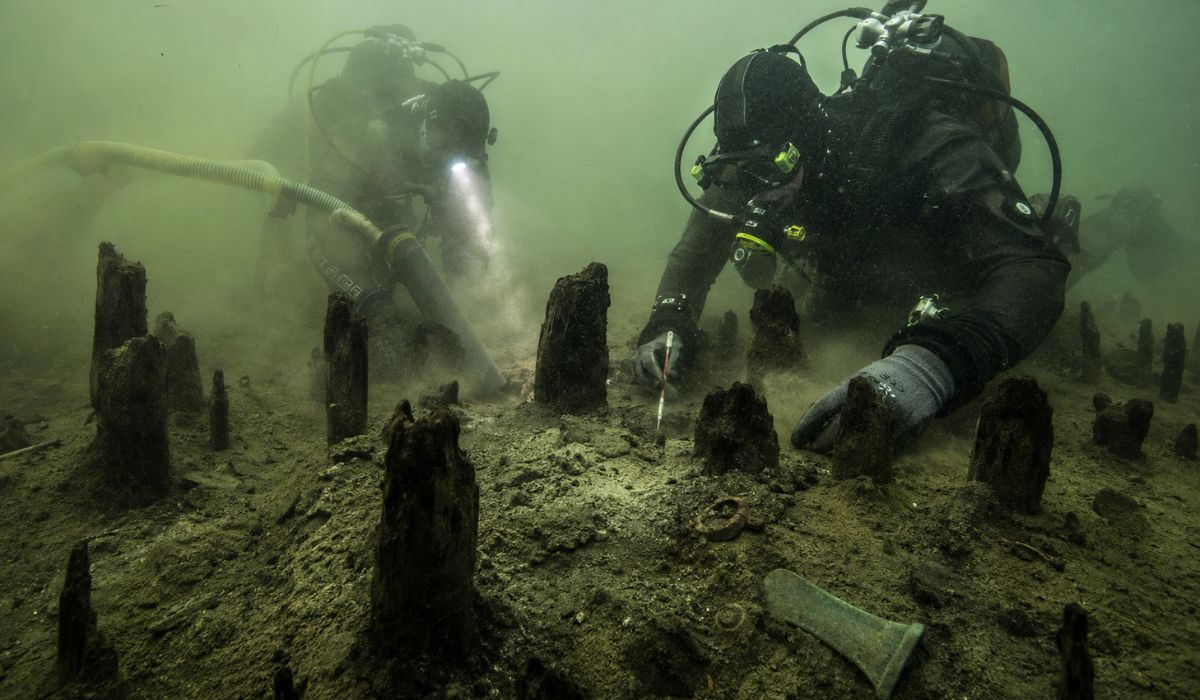
An entire village lay asleep at the bottom of a lake for 3,000 years: divers suction sediments in Italy and reveal more than 600 wooden stakes, bronze tools, and traces of a Bronze Age settlement hidden underwater.
-
They call it the “Shopee house” and even cardboard, but the R$ 20,000 house is a certified Wood Frame from Alea, financed by Minha Casa Minha Vida: understand if it’s worth more than masonry.


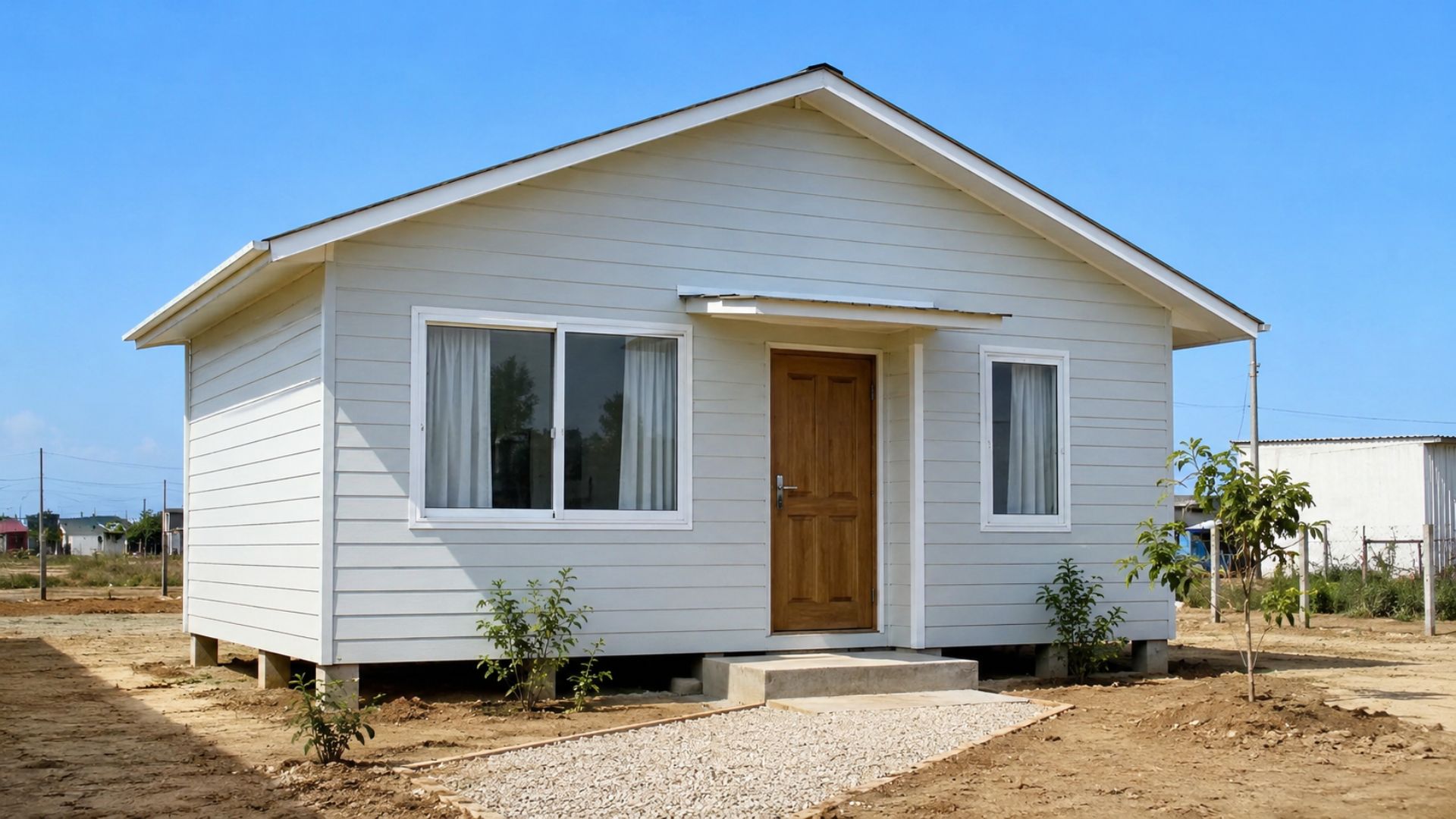
The proposal targets consumers seeking an alternative to conventional construction but without giving up a complete kitchen, installed bathroom, air conditioning, cabinets, appliances, and technical systems already planned from the factory, reducing stages normally done by different teams on the construction site.
Off-grid modular house bets on luxury, solar energy, and climate resistance

Mesocore claims that its modular homes and ADUs, an acronym for accessory dwelling units, can be delivered and completed on-site in up to 10 days, although this timeframe depends on factors such as foundation, licensing, site access, and prior preparation.
The Model E, for example, is presented by the company as a 420-square-foot unit, equivalent to about 39 square meters, with a bedroom, bathroom, full kitchen, built-in cabinets, combined washer and dryer, HVAC, and LED lighting.
In addition to the internal finish, the unit includes a technical structure with factory-tested electrical and hydraulic systems, which tends to reduce improvisations during assembly and helps differentiate the product from modules delivered only as a basic structure.
The company also states that the Model E features a 6 kW solar system with a battery, 1,700-gallon rainwater storage, and hurricane-rated doors and windows, characteristics that reinforce the strategy of selling the unit as a permanent residence, not just a temporary shelter.
Quick installation and factory-integrated systems
The most highlighted point by Mesocore is the ability to operate off the traditional power grid, with solar panels, inverter, batteries, and rainwater harvesting incorporated into the design, while also maintaining the option to connect to public services when available.
According to the company’s sustainability page, the units are shipped with a solar system, backup battery, and rain collection, in a configuration described as optionally off-grid and easy to connect to the conventional grid.
In institutional materials, Mesocore also mentions rainwater filtration, greywater reuse, and backup generator as part of the self-sufficiency proposal, but these features mainly appear in the company’s own commercial content, without widely available independent validation.
This set can be relevant in rural areas, remote lands, or regions vulnerable to power outages, provided the project is approved by local authorities and the installation follows applicable construction, sanitation, and electrical safety standards.
Off-grid energy and water supply
Mesocore claims that its homes are designed to withstand severe conditions, with a steel structure, impact windows, and high-performance wall systems, in addition to promoting wind resistance ratings over 185 miles per hour on its hurricane-dedicated page.

The company also presents its units as flood-resistant and suitable for regions like Florida, where building and insurance requirements make protection against strong winds and water a decisive part of the housing choice.
Even so, the actual resistance of a modular house depends on approved engineering, foundation, anchoring, land topography, and local rules, factors that cannot be replaced solely by a factory’s commercial promise.
Boxabl, in turn, also promotes materials resistant to mold, pests, fire, water, and strong winds, while maintaining technical documents of its models, but its main showcase remains associated with the foldable format and the quick installation of the Casita.
Resistance to hurricanes and floods is a central part of the promise
The Boxabl Casita is presented as a compact unit with a kitchen, bathroom, living area, HVAC, electrical, and plumbing pre-installed, aimed at an immediate living experience in a reduced and transportable space.
The brand’s appeal grew when the house became associated with Elon Musk, but the public trajectory of the case is more complex than the fame suggests: Musk denied living in a Boxabl and later said he used it as a guest house.
In this scenario, Mesocore tries to differentiate itself by selling a more complete modular residence, focusing on energy autonomy, water storage, premium finish, and greater permanence, instead of relying solely on the idea of a foldable microhouse.
The strategy also changes the cost perception, because an apparently cheaper unit may require additional expenses with land, foundation, transportation, permits, water, sewage, energy connections, and finishes, common expenses in modular projects.
Boxabl bets on compactness; Mesocore tries to sell autonomy
Mesocore uses the expression “luxury-affordable” in its materials, associating accessible luxury with custom cabinets, installed appliances, interior finish, and energy and water systems already integrated into the project.
In practice, however, the total cost of a modular house varies according to location, transportation, foundation, complementary works, connection or independence from public networks, municipal requirements, and finish choices, points that can significantly alter the final value to the buyer.

Even with the promise of accelerated assembly, the stage prior to receiving the unit remains decisive, because permits, lot preparation, drainage, truck access, and foundation installation directly influence the actual occupancy timeline.
Therefore, the comparison between Mesocore and Boxabl is not just about choosing the fastest or cheapest house, but involves autonomy, finish quality, climate resistance, technical documentation, maintenance, and compliance with local building regulations.
Accessible luxury still depends on final price and licensing
The advancement of modular homes is occurring at a time when consumers, builders, and governments are seeking faster methods to erect housing, especially in regions pressured by high costs, labor shortages, and the need for greater climate resilience.
In this context, models like those from Mesocore and Boxabl show distinct paths for the industrialization of housing: one bets on the foldable and compact unit; the other, on a modular home with survival systems, internal comfort, and greater operational independence.
Mesocore’s proposal draws attention by combining solar energy, rainwater collection, battery, reinforced structure, and ready-to-live finish, but the available information still relies mainly on institutional data from the company itself.
For the buyer, the final decision should consider not only the visual impact and promised timeline but also technical documents, local approval, warranties, installation costs, after-sales support, and proven performance on the site where the house will be assembled.



Be the first to react!