






 Portuguese
  Spanish


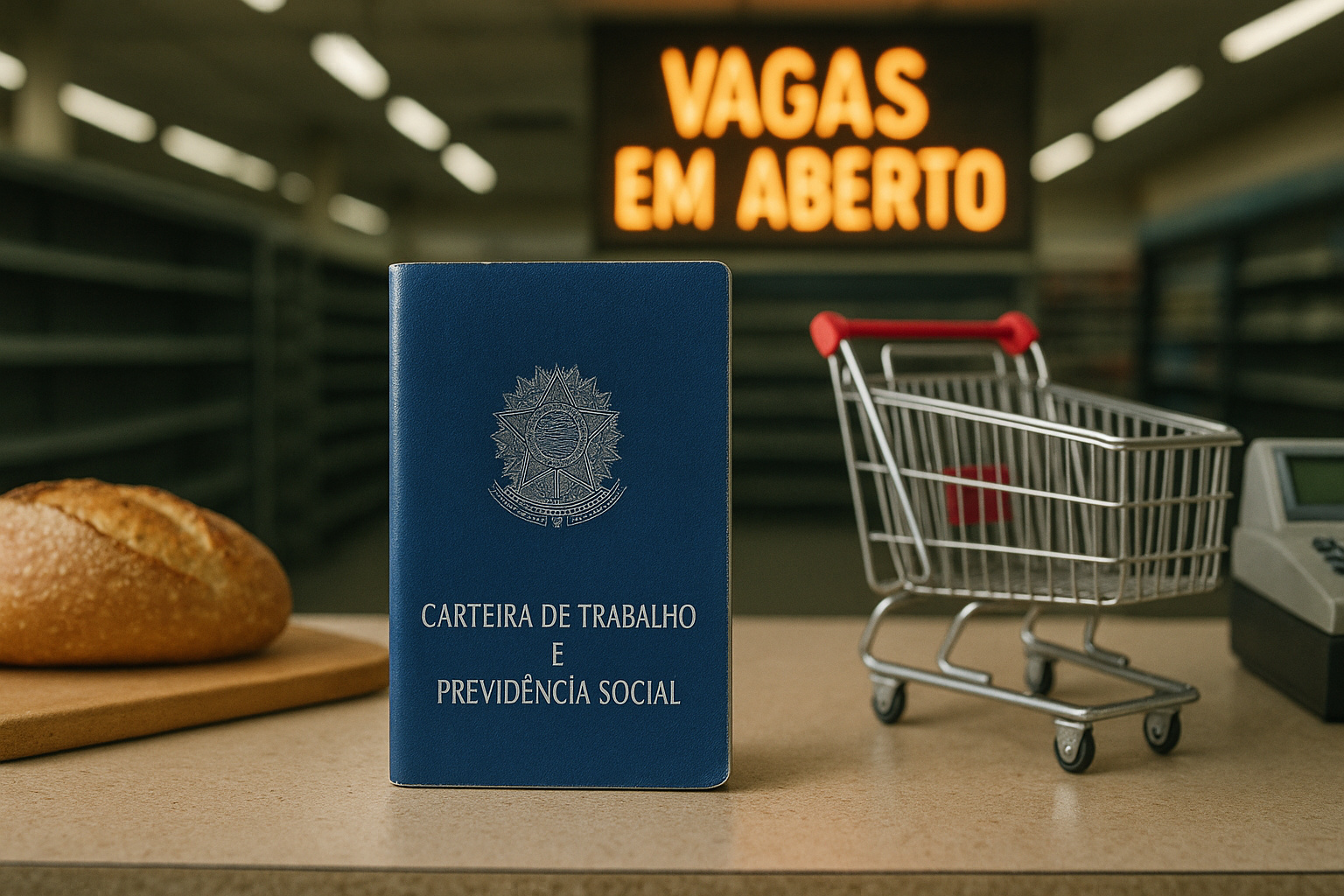


Butchers, bakers, stockers, and cashiers are becoming increasingly scarce in the market, and companies report growing difficulties in hiring in areas that have always been considered essential.
Recruiters and human resources managers have been sounding the alarm: Brazil is experiencing a labor shortage in essential everyday professions. Positions historically seen as entry points into the job market, such as butcher, baker, supermarket stocker, and cashier, are becoming increasingly difficult to fill.
This shortage of professionals, according to experts, is not solely due to a lack of vacancies but rather to the lack of interest among workers in taking on roles that require long hours, offer unattractive salaries, and face high turnover rates.
Essential Professions, But Underappreciated
The roles in crisis are precisely those that keep the machinery of urban life functioning. Without bakers, there is no bread in bakeries; without butchers, meat cuts do not reach the table; without stockers and cashiers, supermarkets and stores stall.
-
Brazil’s Federal Revenue Auction: iPhone 13 for $95, PlayStation 4 for $80, and Volkswagen Jetta for $2,600 Among 232 Lots Available

-
Tech Giant Oracle Lays Off 21,000 Employees and Invests $70 Billion in Artificial Intelligence

-
Chilean Giant Acquires St. Marche, Expanding from Discount to Premium Supermarkets in São Paulo’s High-End Retail Market
-
After 60 Years of Selling Cheap Milk, Brazilian Family Invests in $4,000 Equipment to Transform Farm’s Milk into Premium Sweets, Producing 2 Tons Daily and Aiming for $6.4 Million




However, these occupations suffer from a lack of appreciation, which leads many young people to seek alternatives in sectors such as technology, digital commerce, or delivery services that promise greater autonomy and faster earnings.
Why Does No One Want to Work in Them Anymore?
Recruitment experts point to three main reasons for this “blackout”:
- Low salaries – in many cases, close to the minimum wage, without relevant additional benefits;
- Long and inflexible hours – night shifts, weekends, and holidays are part of the routine;
- Lack of growth prospects – many workers see these roles only as temporary, not as long-term careers.
This scenario makes companies compete for qualified professionals, offering bonuses, quick training, and even immediate hiring for those who agree to join.
Direct Impacts on Companies and Consumers
The labor shortage is already beginning to bring practical impacts. Supermarkets report a lack of professionals to keep departments organized, while bakeries face longer lines due to difficulty in maintaining full shifts of bakers.
Additionally, when companies manage to hire, they often have to deal with high turnover: workers stay little time in the role before changing jobs, resulting in extra training and adaptation costs.
For consumers, this can mean increased prices and decreased service quality, as fewer employees have to handle more demands.
What Experts Are Saying
According to HR consultancies, the problem is not just Brazilian. In various countries, roles related to retail trade and basic production face a lack of professionals.
However, in Brazil, the issue is aggravated by the low salary attractiveness and the social perception that these are “low future” professions. To reverse this situation, experts advocate for programs aimed at valuing, qualifying, and modernizing these areas, along with salary improvements that make the positions more competitive.
Ways to Reverse the Crisis
Some companies have already started adopting measures to avoid a total labor blackout. Among them are:
- Offering quick and free training for beginners;
- Increasing benefits, such as meal vouchers, health plans, and productivity bonuses.
- Flexibilizing hours, allowing for less exhausting shifts;
- Investing in technology, to automate part of the work and ease the burden on employees.
These solutions, however, are still sporadic and do not resolve the structural problem of the historical devaluation of these professions.
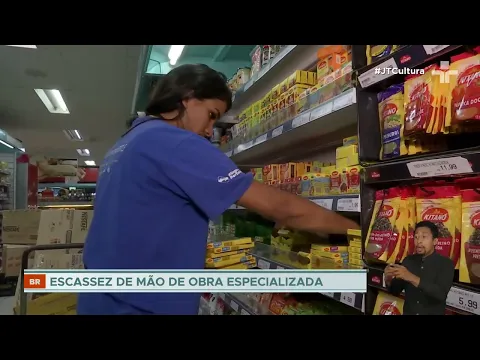
The labor blackout in essential professions shows that Brazil faces a silent challenge, but one with a significant impact on the daily lives of the population. If butchers, bakers, stockers, and cashiers are becoming increasingly rare, it is because the market has not been able to make these roles attractive amidst new work possibilities.
The crisis makes it clear that valuing those who support the foundation of the daily economy is urgent. Without this, the risk is that shelves will be empty, lines will grow, and essential services will cease to function, directly affecting millions of Brazilians.


Trabalhava em Supermercado em Londrina das 12h às 21h10 de segunda a sábado, domingos alternados das 8h30 às 18h30 e uma goleada semanal com 1h10 intervalo na semana e 1h30 no domingo. O domingo que não trabalhava ficava devendo horas.
No mês de segunda a sábado faria 176h. O domingo trabalhado eram $60,00 cada num cartão vinculado a eles, sem poder usar em outro lugar. Transformaram este cartão em Alimentação de 200,0o somente se não tivesse 1m de atraso, atestado, etc. No primeiro mês apenas 5% dos colaboradores conseguiram receber. Os domingos de folga ficávamos devendo horas, e éramos obrigados a fazer HE para pagar.
Eu trabalhava no caixa, como Fiscal de Caixa, na Padaria, reposição entre outros.
Os Feriados não ganhávamos folga nem 100% pago. Eram usados para pagar as horas ” NEGATIVAS DOS DOMINGOS “.
E agora imagino que entendam porque Falta Mão de Obra.
Pedi demissão, não tinha como ficar.
176h mensais ***
Trabalhei em um Supermercado em Londrina. Meu turno era das 12h às 21h20, com 1h10min de intervalo. Fazia 176h mensais de segunda à sábado. Um folga fixa na semana e 2 domingos alternados.
O domingo que não trabalhava ficava como DEVEDOR. O domingo trabalhado eram R$60,00 cada no cartao deles para gastarmos só lá. Transformaram isso no valor de R$200,00 neste mesmo cartão, como vale alimentação vinculado a não ter um minuto de atraso, sem atestados, etc….no final 5% dos funcionários recebiam.
Ou seja ninguém mais ganhava o domingo trabalhado e ficava DEVENDO HORAS o mês todo, tendo que fazer horas extras pra pagar. Trabalhava no caixa, reposição, recolhimento de festas e carrinhos, na padaria, etc.
Aí reclamam que não tem funcionários. Como trabalhar assim?
Fui obrigada a pedir demissão.