Portuguese
  Spanish


APER and Fecomércio Join Forces to Boost Renewable Energies in RN with a Focus on Qualification, Innovation, and Sustainable Development.
The Rio Grande do Norte has stood out for years on the national scene as one of the main Brazilian powers in clean energy generation.
From the beginning, the state has benefited from consistent winds and high solar incidence.
This naturally attracts investments and consolidates its position in the production of renewable energies, especially wind and solar.
-
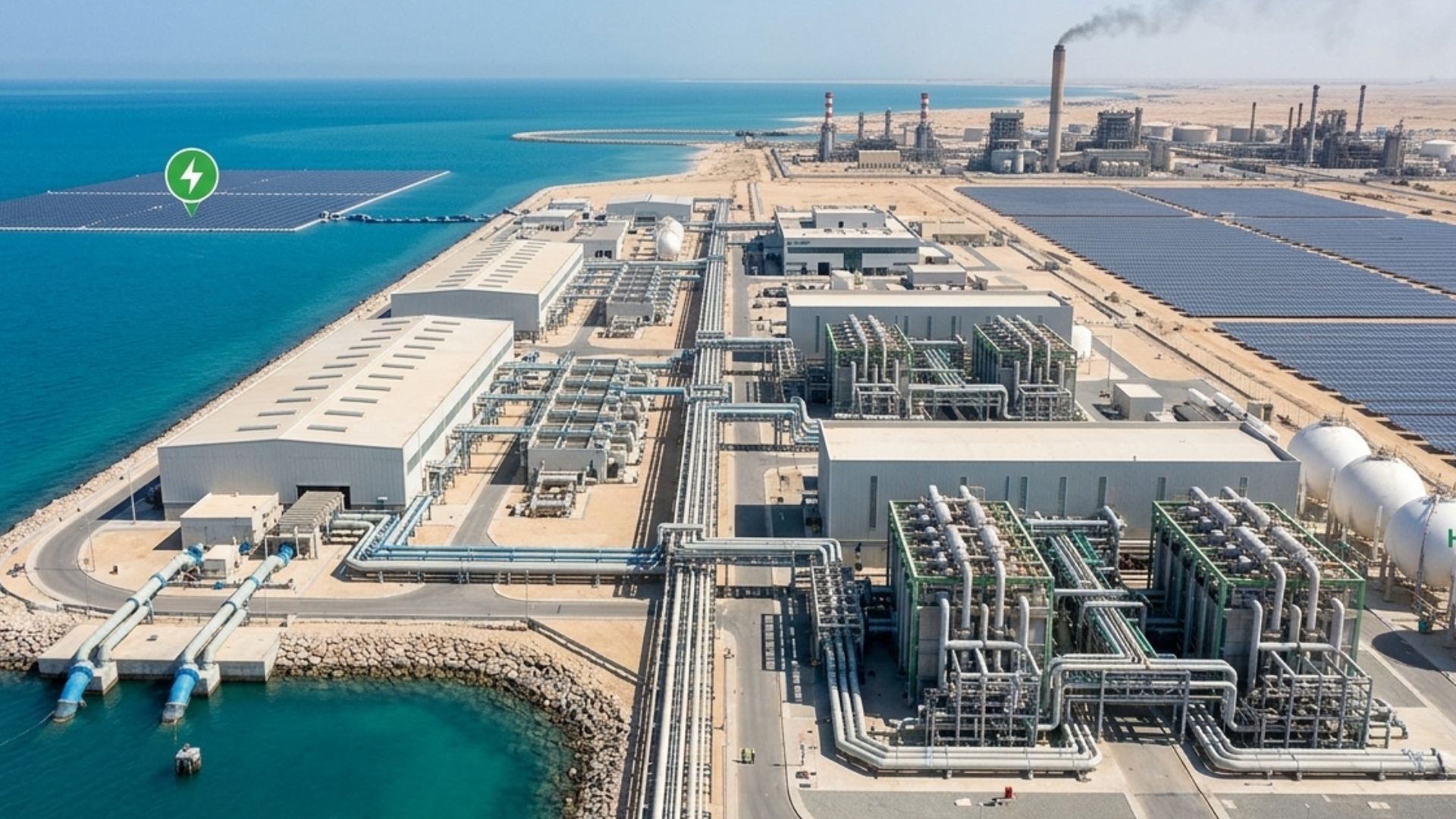
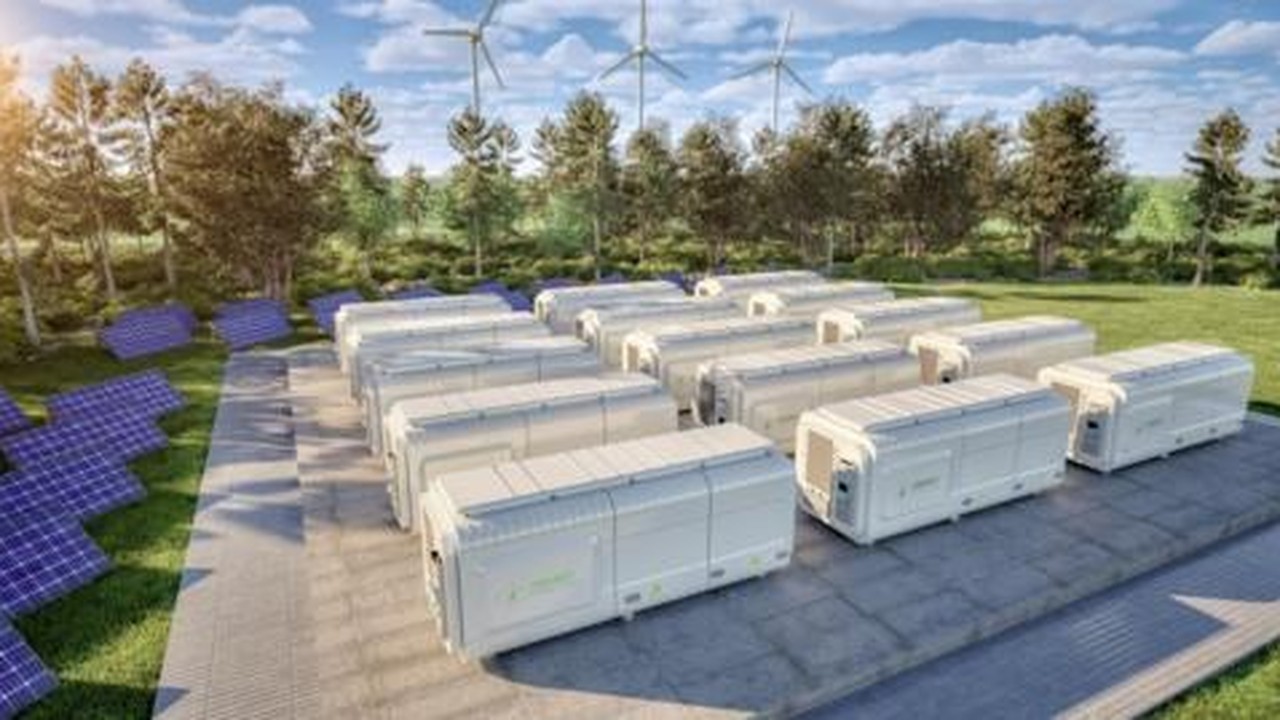
Brazil to Hold First Auction for Batteries to Store Solar and Wind Energy from the Northeast

-
Brazilian scientists are simultaneously advancing two research projects on clean hydrogen and driving solutions that could transform the energy matrix, enhance industrial competitiveness, and accelerate large-scale emission reduction targets.

-
Advancement in renewable energy: A R$ 150 million project launched by Petrobras and Finep aims to create state-of-the-art electrolyzers for green hydrogen, strengthening national research and preparing Brazil to compete in a billion-dollar energy market.
-
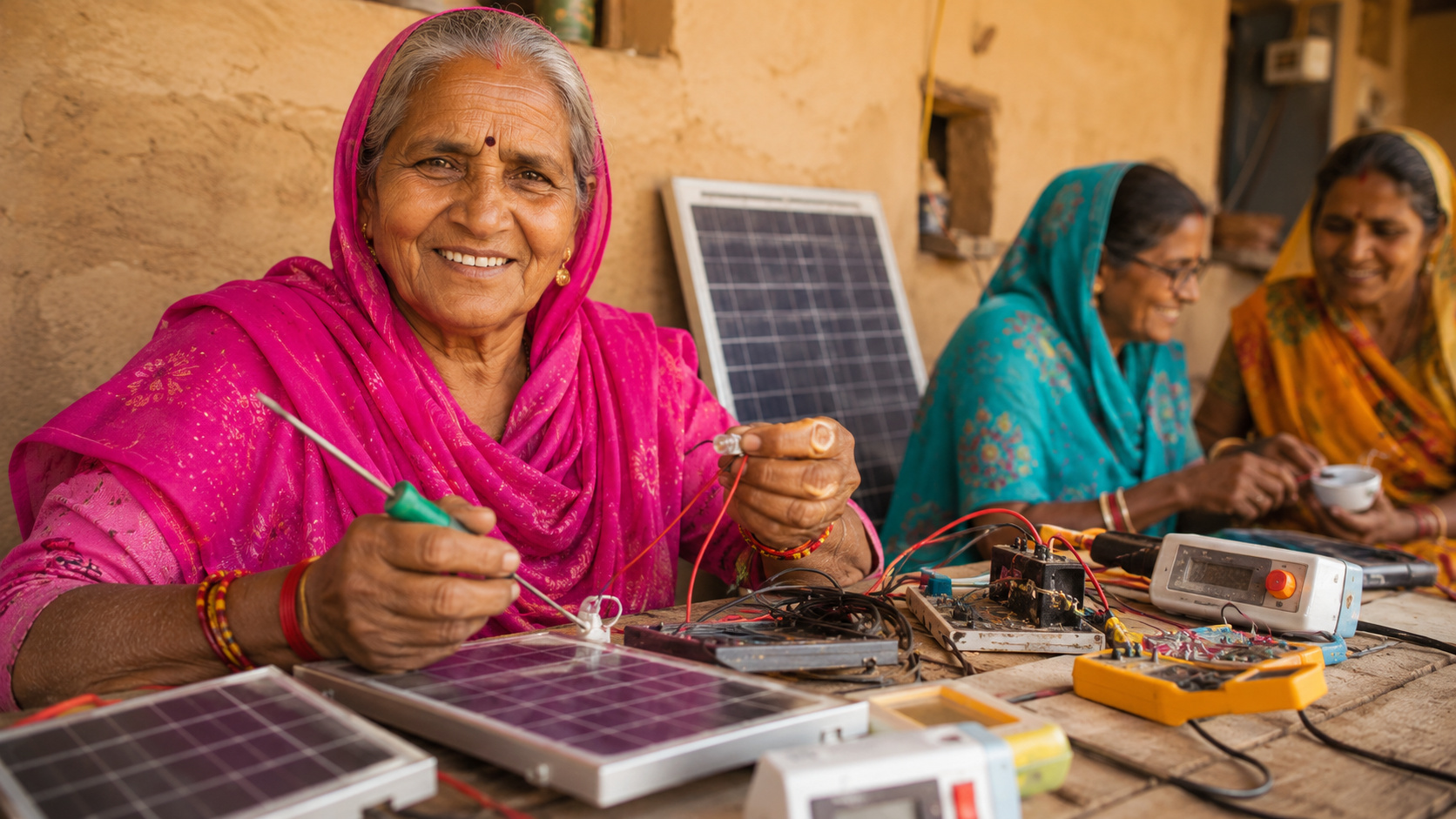
Illiterate or semi-literate grandmothers were trained to repair solar systems, open rural workshops, and light up homes that still depended on kerosene.


In this context, the signing of a cooperation agreement between APER and Fecomércio represents more than a mere institutional advance.
It is a strategic step that broadens the horizons of the green economy in the state.
While the Potiwary Association of Renewable Energies (APER) works to represent and integrate sector agents, Fecomércio RN, in turn, has contributed for decades to regional economic development.
This occurs through education, professional qualification, and fostering entrepreneurship.
Thus, by joining forces, these two entities combine efforts with the goal of transforming the state’s energy future.
In this context, the agreement between APER and Fecomércio symbolizes an alliance that goes beyond formalities.
It translates into practical actions. Through the cooperation, both institutions commit to executing projects aimed at training professionals, disseminating technical knowledge, and strengthening the productive chain of renewable energies.
In addition, the document provides for partnerships with universities, technical exchanges, and the creation of innovation networks.
The History of Clean Energy in RN and the Role of Institutions
To understand the importance of this partnership, it is necessary to go back a bit in time. Since the 2000s, Brazil has sought to expand its energy matrix, which was once heavily based on hydropower.
In this process, climate change, sustainability, and energy security have stimulated the growth of solar and wind sources.
As a result, the Northeast has stood out as a leader in this new landscape. The Rio Grande do Norte leads the expansion in the sector.
Over the years, the state began to receive the first wind farms in the country.
This is due to the consistent winds and the infrastructure, albeit modest, conducive to the installation of these enterprises.
At the same time, public policies such as energy auctions encouraged the arrival of new investments. Consequently, the sector matured. Investors multiplied, and entities like APER began to organize and represent their collective interests.
Meanwhile, Fecomércio recognized the economic and environmental relevance of the sector. Therefore, it adopted a more strategic approach to renewable energies.
By supporting the actions of APER, Fecomércio strengthens a modern, sustainable, and innovative business environment.
As part of this effort, the institution also promotes the inclusion of small and medium enterprises in the sector, fostering more inclusive economic growth.
Agreement between APER and Fecomércio Focuses on Qualification and Innovation
In addition to promoting sustainability, the agreement between APER and Fecomércio addresses structural challenges in the sector. Among them are the lack of qualified labor and the need for greater involvement from local communities.
Therefore, the partnership proves essential for implementing effective solutions, combining technical training with positive social impact.
Through Senac, Fecomércio offers specific professional courses for the sector. This prepares professionals to work across the entire production chain.
This includes everything from the installation of equipment to the maintenance and operation of the parks.
Simultaneously, APER ensures the connection with companies and shares essential technical knowledge. This collaboration ensures that the courses reflect the real needs of the market.
Moreover, the partnership aims to stimulate innovation and the production of knowledge. The institutions plan to promote events, seminars, and publications that help society understand the benefits of renewable energies.
Thus, they aim not only to strengthen the energy transition but also to generate new opportunities for the local population.
Another important point of the cooperation is the inclusion of energy themes in education and the regional media.
In this way, it is hoped to broaden the reach of the initiatives and create a collective awareness of the importance of clean energies for the present and future of the state.
Sustainable Development and Integrated Public Policies
In addition to practical actions, the agreement also seeks to expand the dialogue with the public authorities. Thus, both APER and Fecomércio propose measures that favor the growth of the sector.
Among these measures are stable regulatory frameworks, research incentives, and investment in infrastructure.
With this, they intend to make Rio Grande do Norte even more attractive to entrepreneurs and investors.
As part of the strategy, the entities also plan to work in partnership with city halls and state agencies. The aim is to ensure that projects respect the environment, value the local communities, and leverage the strengths of each region.
In this way, clean energy can become a true engine of territorial development.
According to Williman Oliveira, president of APER, the partnership represents a strategic link between the productive sector and the world of renewable energies.
For him, this agreement broadens the reach of the entity’s actions and facilitates the construction of more effective public policies.
In the same vein, Marcelo Queiroz, president of Fecomércio RN, emphasizes that supporting renewable energies means investing in the future.
He believes that this cooperation is essential for promoting a new model of growth, based on environmental responsibility, innovation, and social inclusion.
A Cleaner and Brighter Future for Rio Grande do Norte
Although the signing of the agreement represents only the beginning, its potential for transformation is significant.
The execution of the proposed actions will depend on the engagement of various sectors of society. Still, the first steps show that APER and Fecomércio are prepared to lead this process.
As the state advances in clean energy production, this partnership offers the necessary support to ensure that the benefits reach everyone.
After all, the goal is not only to generate energy. It is also about promoting quality of life, creating jobs, and protecting the environment.
In summary, Rio Grande do Norte has already proven that economic development and environmental preservation can go hand in hand.
Now, with the union between APER and Fecomércio, the state positions itself even more firmly as a protagonist in Brazil’s energy transition.
The agreement between the two entities symbolizes, above all, the joint construction of a cleaner, fairer, and more innovative future.