






 Portuguese
  Spanish


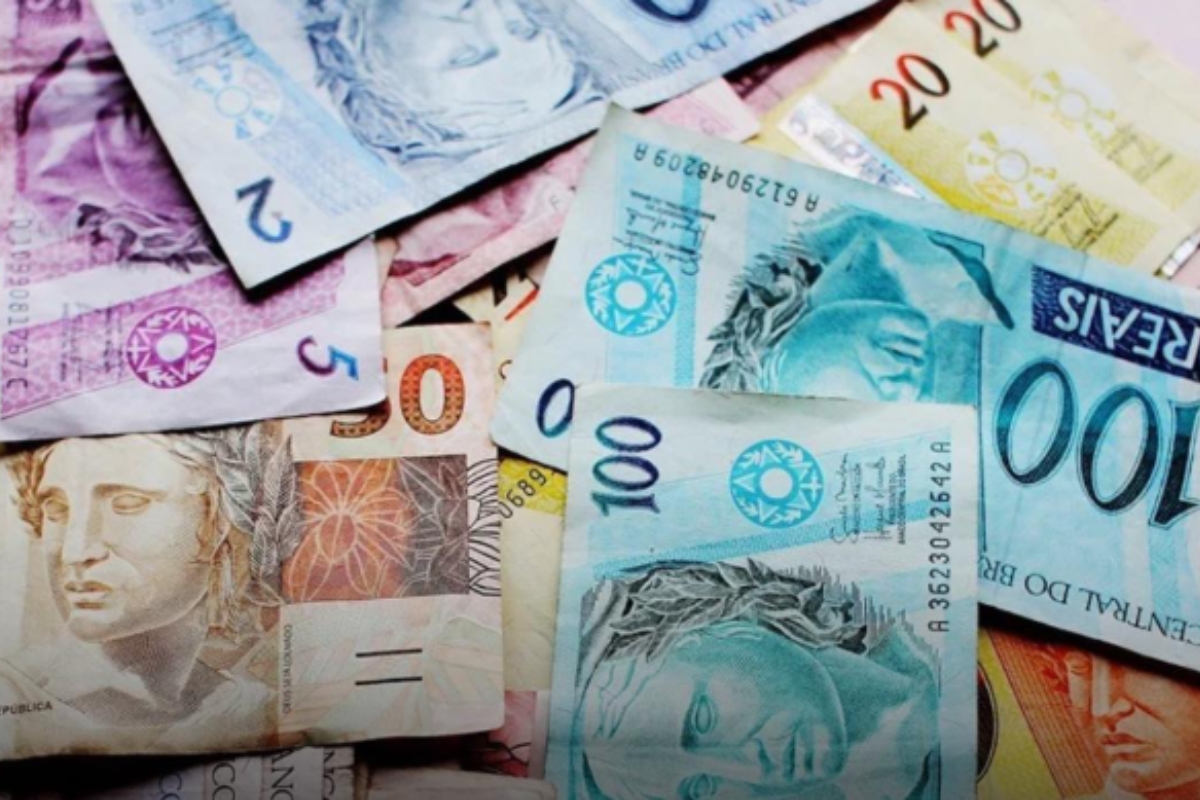


The Change Makes Banks Withdraw Old Notes in Everyday Life, and This Affects How Paper Money Circulates Again
The Central Bank of Brazil started the process of definitively withdrawing the banknotes from the first family of the Real, launched in 1994 at the beginning of the Real Plan.
In practice, the notes remain valid, but they no longer return to the pockets of the population when they go through a cashier. The goal is to renew the money in circulation with more recent banknotes.
The impact appears in daily life, as old notes are separated when they enter the banking system, and their circulation decreases over time.
-
Half of Brazilians Prefer Lower Taxes with Private Health and Education, While 44% Opt for Higher Taxes for State-Provided Services, Datafolha Survey Reveals

-
Brazil’s Most Expensive Toll Rises to R$ 40.60 on Route from São Paulo to the Coast, Nearly Matching Bus Fare to Santos

-
As Brazil Expands Social Welfare, Survey Reveals 40% Blame Poverty on Laziness, While 58% Cite Lack of Opportunities

-
China Tightens Control on Antimony, Driving Prices from $22,000 to Nearly $40,000 per Ton as U.S. Rushes to Bolster Strategic Reserves



What Happened and Why It Caught Attention
The rule addresses the definitive removal of the banknotes from the first family of the Real. These notes were part of the beginning of the Real Plan and circulated for decades.
The measure was not presented as an immediate withdrawal made by people at home. The focus is on the journey of the money when it reaches the banks.
As a result, the old paper money tends to disappear from common use due to wear, standardization, and security of the circulating medium.
What Changes in Practice for Those Who Use Cash
The old banknotes remain as a legal means of payment, so they can be used in purchases and transactions normally.
The change occurs when they enter a bank branch. When they appear in deposits, payments, or exchanges, banks must retain these notes, instead of putting them back into circulation.
This means that the consumer may still receive an old banknote in stores, but it tends to disappear from daily life as soon as it returns to the banking system.
How Withdrawal Works Within Banks
The procedure guides the separation of old notes during cash activities. From there, they go to custody and into the replacement flow.
This process ensures that worn or old banknotes exit the circuit, making room for newer and better-conditioned notes.
Over time, the trend is to increase the presence of the second family of the Real in everyday use.
The Commemorative Banknote of 10 Reais Also Joins the Process
The process includes the commemorative banknote of 10 reais, issued in 2000 in reference to the 500 years since the discovery of Brazil.
Even with more limited circulation, this note also begins to be gradually withdrawn when it reaches financial institutions.
This standardizes the treatment given to old banknotes and reinforces the replacement with more recent paper money.
What May Happen from Now On
The withdrawal occurs progressively, following the natural return of old banknotes to the financial system.
With fewer old notes in circulation, the public tends to see more frequently banknotes in better condition and with more up-to-date security features.
The central message is simple: old money remains valid, but loses space in daily life because banks are starting to withdraw it and not return it to the common circuit.
The measure reorganizes the circulation of paper money in the country and reduces the presence of banknotes issued in 1994, without requiring an immediate rush of the population to the banks.







Bom a trambicagem de quem informações privilegiadas e ligados aos oportunistas e quadrilhas oficializadas no sistema agora viabilizará os “” riquinhos” do tombo do INSS, CORREIOS a se regularizarem ficando com o fruto do roubo legalizado. E isso é indiscutível por isso “”As feras envolvidas”” e ocultadas pelos piores cidadãos de qualquer nação, esses políticos corruptos: OU A CPMI CONSEGUIRÁ PROVAR AO CONTRÁRIO: TODO O DINHEIRO VOLTA AO CAIXA DOS CORREIOS¿¡!.
Parabéns pela matéria..e.profissionalismo. essa informação nos ajudará entender.o que esta ocorrendo…e tbm serve para colecionadores…de numismática..
Acho que deveria sair também os centavos, pois o comércio coloca
$16,99 e nós cobra $17,00.
Você nem leu a matéria né? Kkkk. Ou você é analfabeta? O pior é o seu comentário, a moeda de 1 centavo já foi extinta e saiu de circulação há muitos anos. Você vive em uma caverna é? Kkkk