





 Portuguese
  English
  Spanish
 3 min of reading


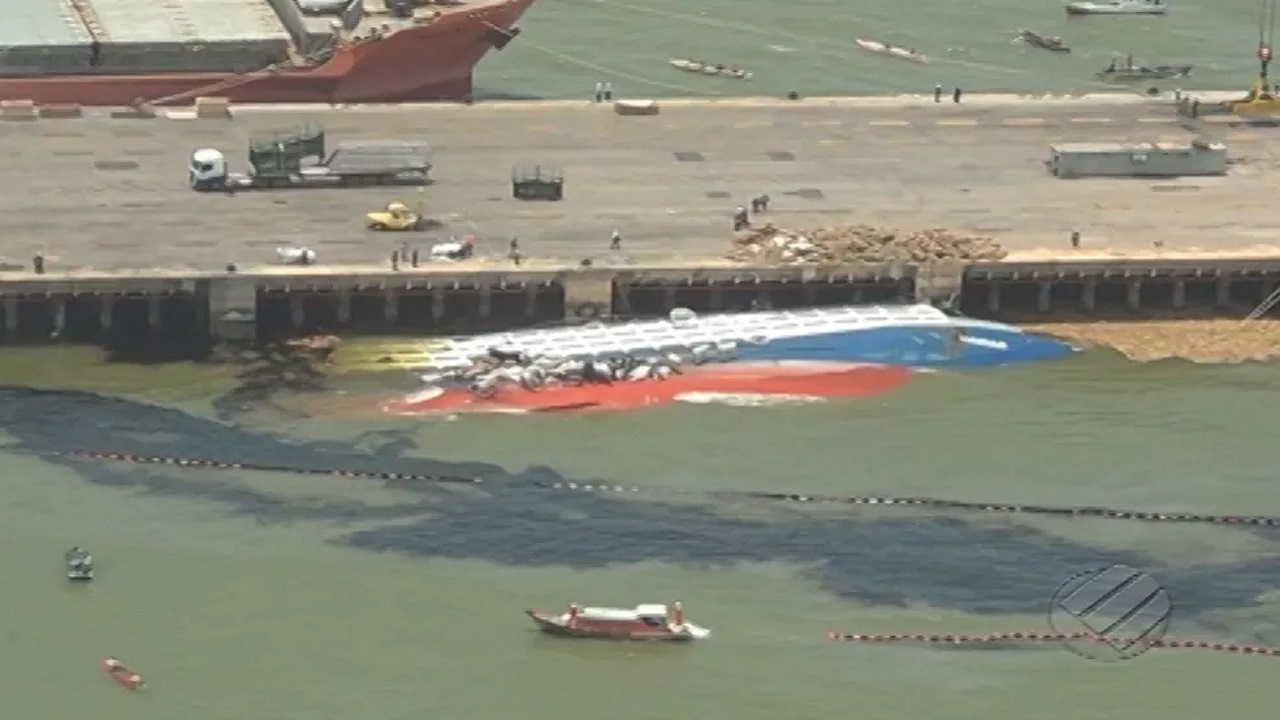
Years After The Shipwreck, A Ship Carrying Cattle And Oil In Pará Will Be Removed From The River Bed, Clearing Berth 302 Of The Port Of Vila Do Conde, In Barcarena. The Shipwreck Caused Several Environmental Impacts
On last Thursday, the 30th, an operation was initiated to try to remove the Haidar ship from the river bed, which sank in October 2015 while carrying more than 5,000 live cattle at the Port of Vila do Conde, in Barcarena, northeast of the state of Pará. The estimated time for the complete removal of the ship from the site has not been disclosed. The National Department of Transport Infrastructure (DNIT) is carrying out the verticalization process, necessary to remove the Lebanese-flagged ship in Pará.
Initiative To Remove The Ship Started Last Year
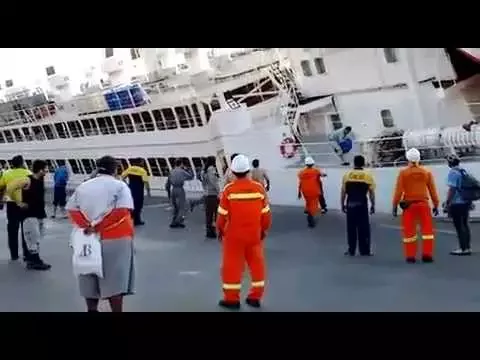

According to DNIT, this is one of the steps toward advancing the removal of the ship from the area in question, with the aim of clearing berth 302 and restoring the operational conditions of the docking berth where the shipwreck occurred in Pará.
Work at the site is ongoing. After the verticalization of the ship, it will still be necessary to refloat it, clean it, and move the vessel. The Haidar ship, flying the Lebanese flag, sank on October 6, 2015, while transporting about 5,000 live cattle and 700 tons of oil to Venezuela.
-
A giant golden ball in the middle of gardens in India was assembled with 1,415 discs, took decades to be completed, and transforms sunlight into controlled central lighting.

-
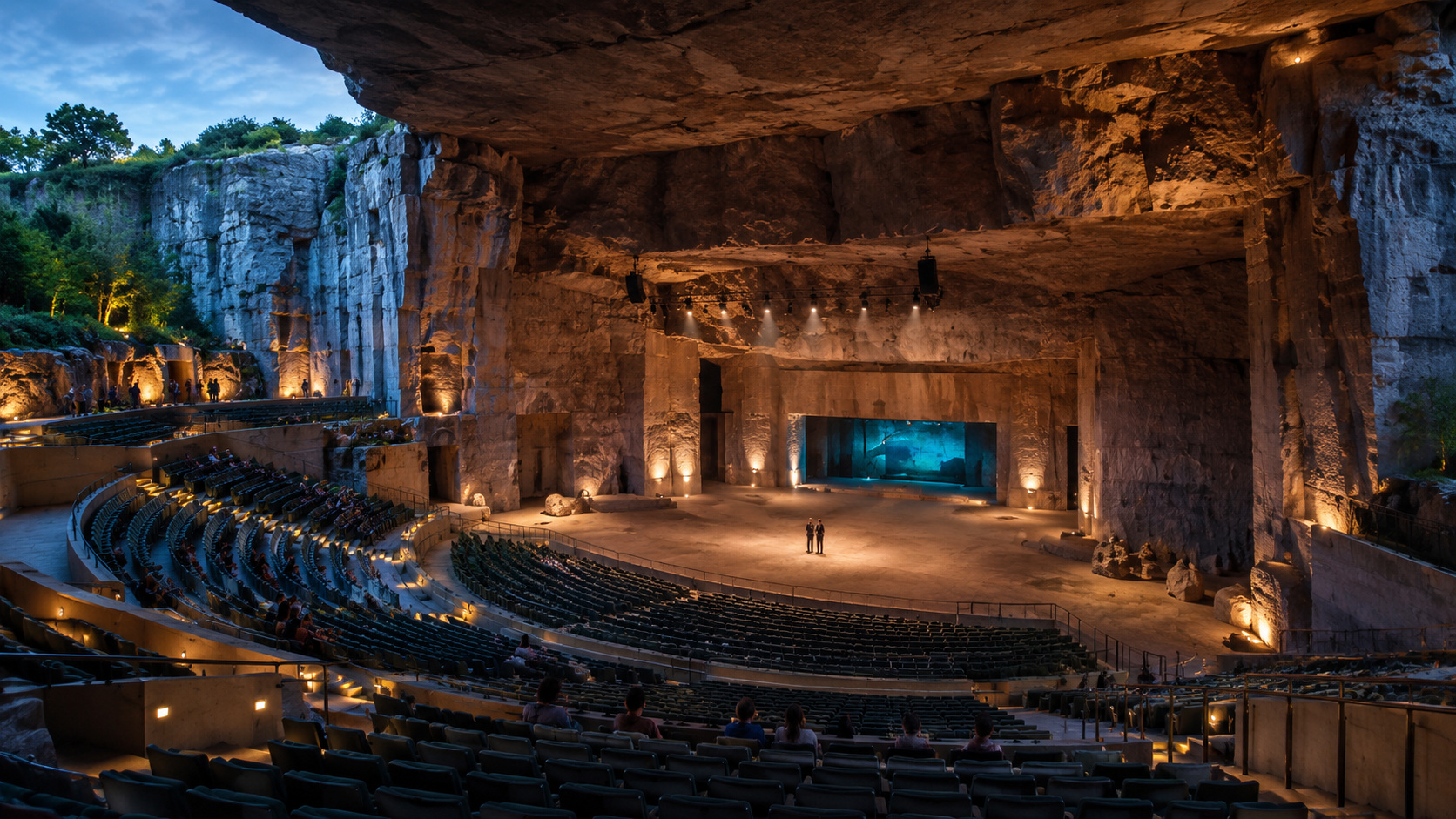
While many modern works still try to hide concrete and steel, in Hungary an ancient quarry used since Roman times has become a cave theater with 760 seats, a stage within the rock, and an area of 4,600 m².
-
Brazil will deactivate more than 35 oil platforms by 2030 in a market estimated at R$ 306 billion, but it has no qualified shipyard, no approved law, and no defined tax regime to do the work domestically.

-
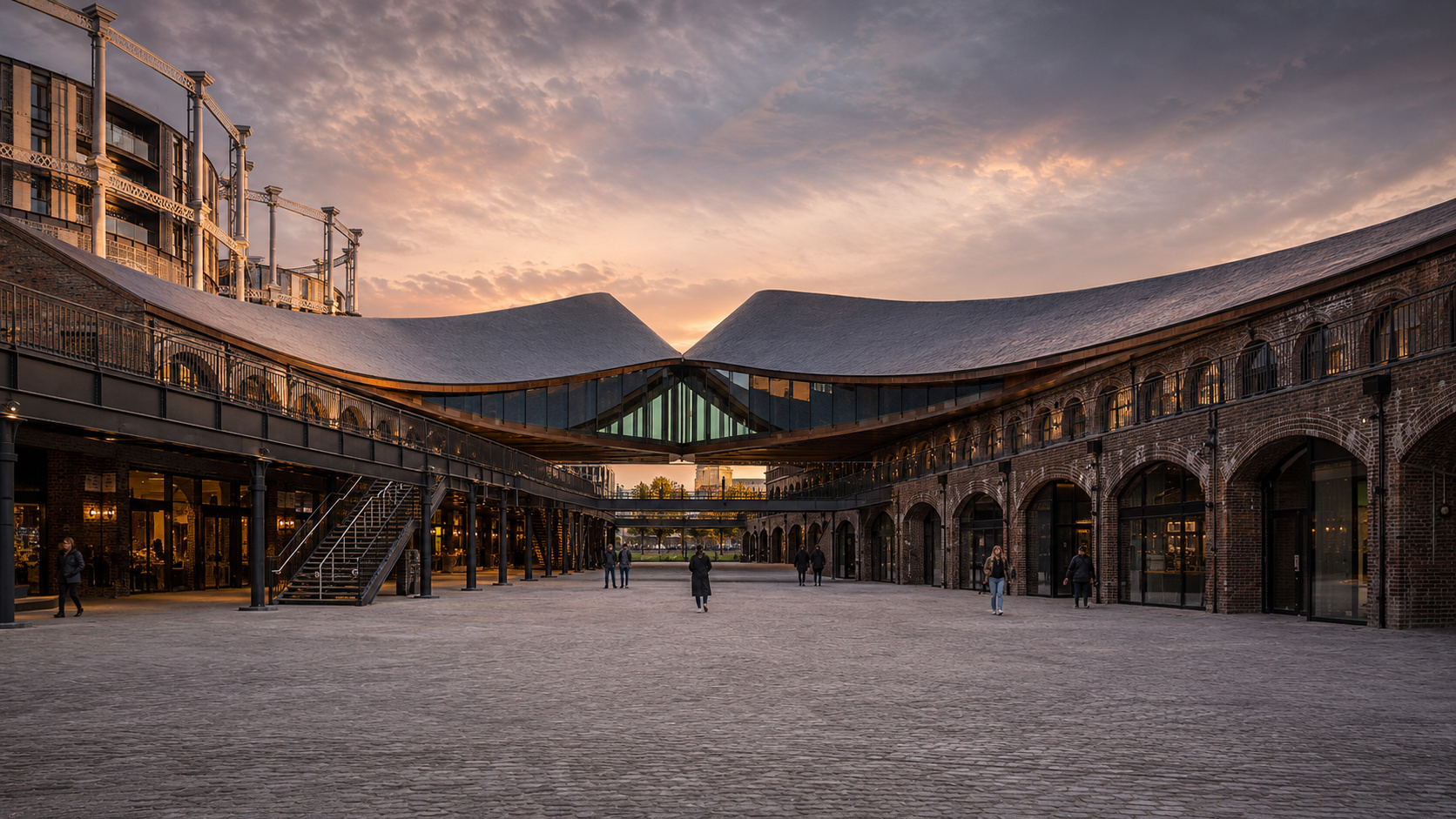
Instead of demolishing old coal warehouses, London doubled their roofs until they met in the center and created one of the most curious renovations in King’s Cross.


The accident caused social and environmental impacts on the Barcarena community. All the animals on board drowned, with a large part trapped in the vessel. The tragedy affected the lives of thousands of people in this region.
The affected families, until last year, were still complaining about the lack of compensation due to the environmental, economic, and social tragedy. Bathing in the waters was prohibited, and the number of beachgoers at Abaetetuba, Barcarena, and nearby islands declined. Fishermen in Pará could no longer extract their livelihood from the rivers after the shipwreck.
Damage of R$ 71 Million
According to a lawsuit from the Federal Public Ministry, the socio-environmental damage to the residents of the municipalities of Abaetetuba and Barcarena, in Pará, totals R$ 71 million in compensations that have not yet been paid.
Among those sued in the action are the owners of the Haidar, Tamara Shipping and Husei Sleiman, the companies responsible for the boarding of the cattle, Global Agência Marítima and Norte Trading Operadora Portuária, the owner of the live cattle cargo, Minerva S.A., in addition to the Companhia Docas do Pará (CDP), responsible for the Port of Vila do Conde.
At the time, in an interview, the president of CDP, Parsifal Pontes, provided a justification for the delay in removing the ship. According to the executive, when the first company was chosen, a salvage plan was created that was not approved, mainly by CDP, given that the company anticipated cutting the ship, which should have been removed in pieces, and that would not be approved by the Navy. Therefore, it was necessary to return to negotiations, and another company was selected to present a floating plan.
Impacts On Society
Minerva S.A claims that once the cargo is delivered to the shipowner, all responsibility lies with the company contracted for maritime and river transportation. Thus, the company is not responsible for the rescue of the ship that sank at the Port of Vila do Conde.
Minerva also emphasizes that although it is affected by the accident, it maintains a team on site to assist authorities in all necessary measures.
Fisherwoman Maria Madalena laments the effects of the shipwreck and the contamination of the rivers on fishing, the main activity of her community. Before the accident, it was possible to catch 4 or 5 kilos of shrimp per day; now she can hardly catch anything.







Be the first to react!