





 Portuguese
  English
  Spanish
  3 min of reading


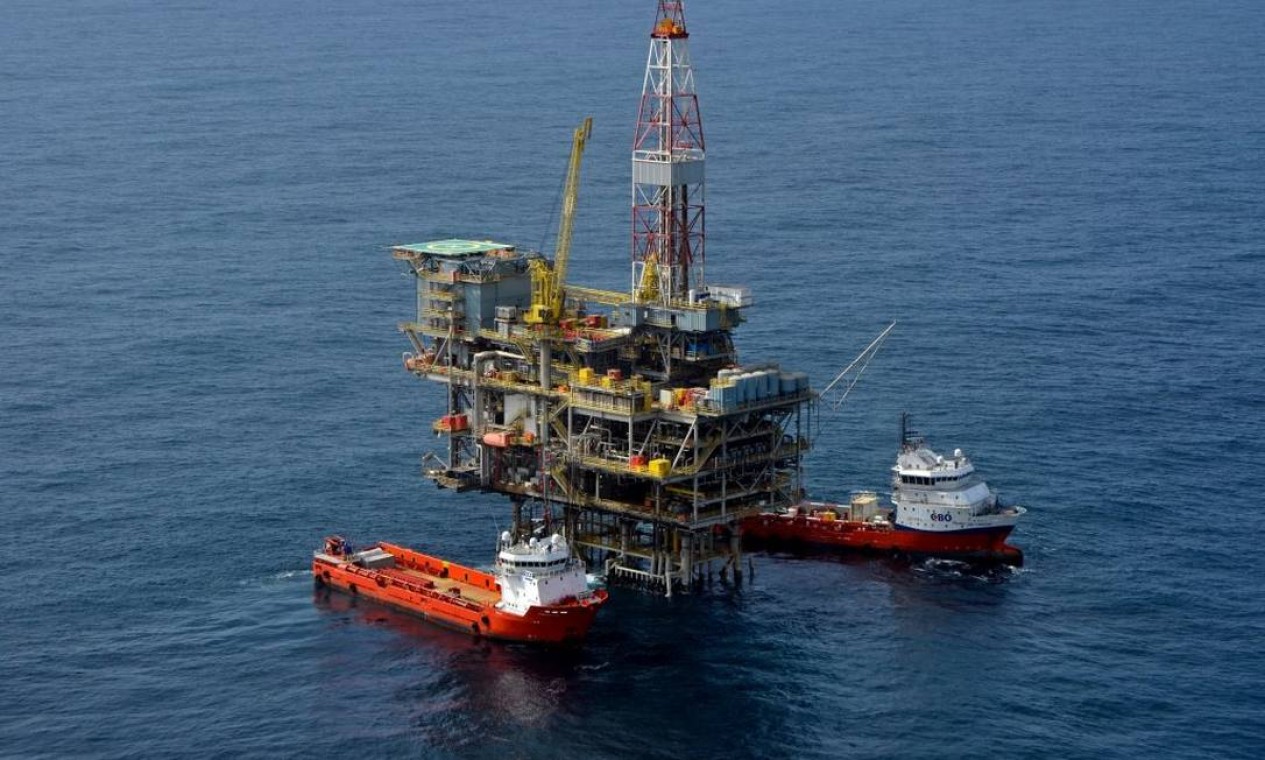
Equinor Is Set to Resume Operations at the End of August. Production at the Peregrino Field, in the Southern Portion of Campos, Is Very Close to Restarting. However, the Initially Expected Date Has Undergone a Slight Adjustment.
Last Wednesday, (07/14), the board of the National Agency of Petroleum, Natural Gas and Biofuels (ANP) approved that Equinor’s resumption to continue with the production at the Peregrino field should be set for the last day of August this year. Previously, the expectation was that operations would begin in June, which did not happen.
Production at the Peregrino Field Was Suspended in April 2020
It is important to remember that production at the field was suspended in April 2020, following the rupture of a flexible riser — special pipes composed of overlapping plastic layers — from the Peregrino A platform. Thus, since the problem was caused by corrosion, the oil company decided to repair seven other risers, in addition to completely replacing the structures involved in the accident.
Initially, Peregrino’s return was scheduled for January 2021; however, the timeline was affected due to restrictions imposed during the isolation period caused by the Covid-19 pandemic. After that, the resumption of production was marked for June 2022, which also did not occur.
-
While many ports want to grow, Barcelona has decided to do the opposite and will cut cruise terminals from 7 to 5 after pressure from residents, protests, and crowds.

-
From 30 cooperators to an agro-industry that brings together 390 families, from the agrarian reform in Paraíba, embarking on a historic leap, the first goat milk powder industry from family farming in the Northeast, a R$ 3.75 million project to tackle the drought in the Semi-Arid region.

-
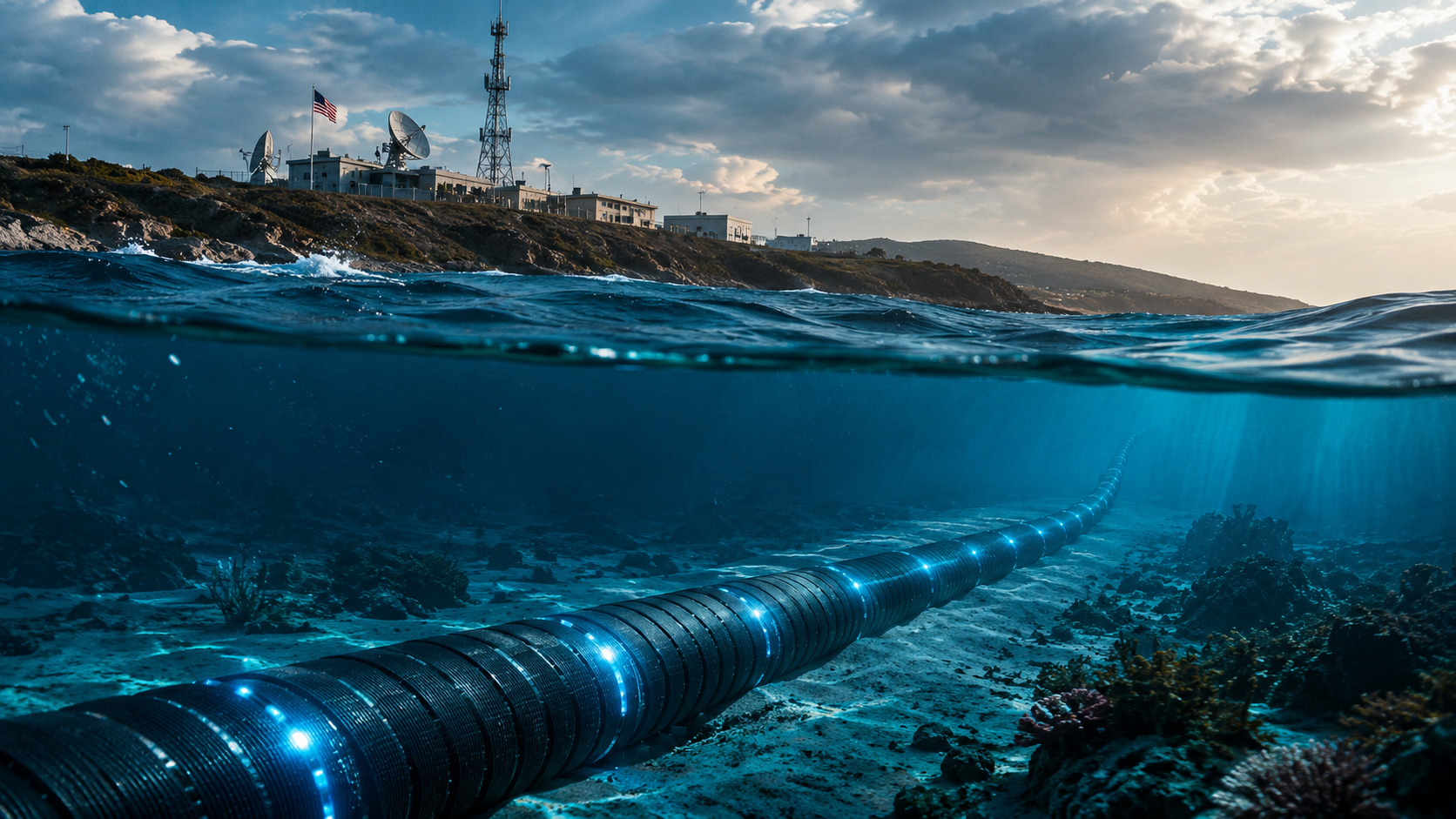
The United States wants to tighten control over submarine cables that carry 99% of international internet, silently cross oceans, total more than 400 routes worldwide, and have become a strategic piece in the competition for data, technology, and suppliers.
-
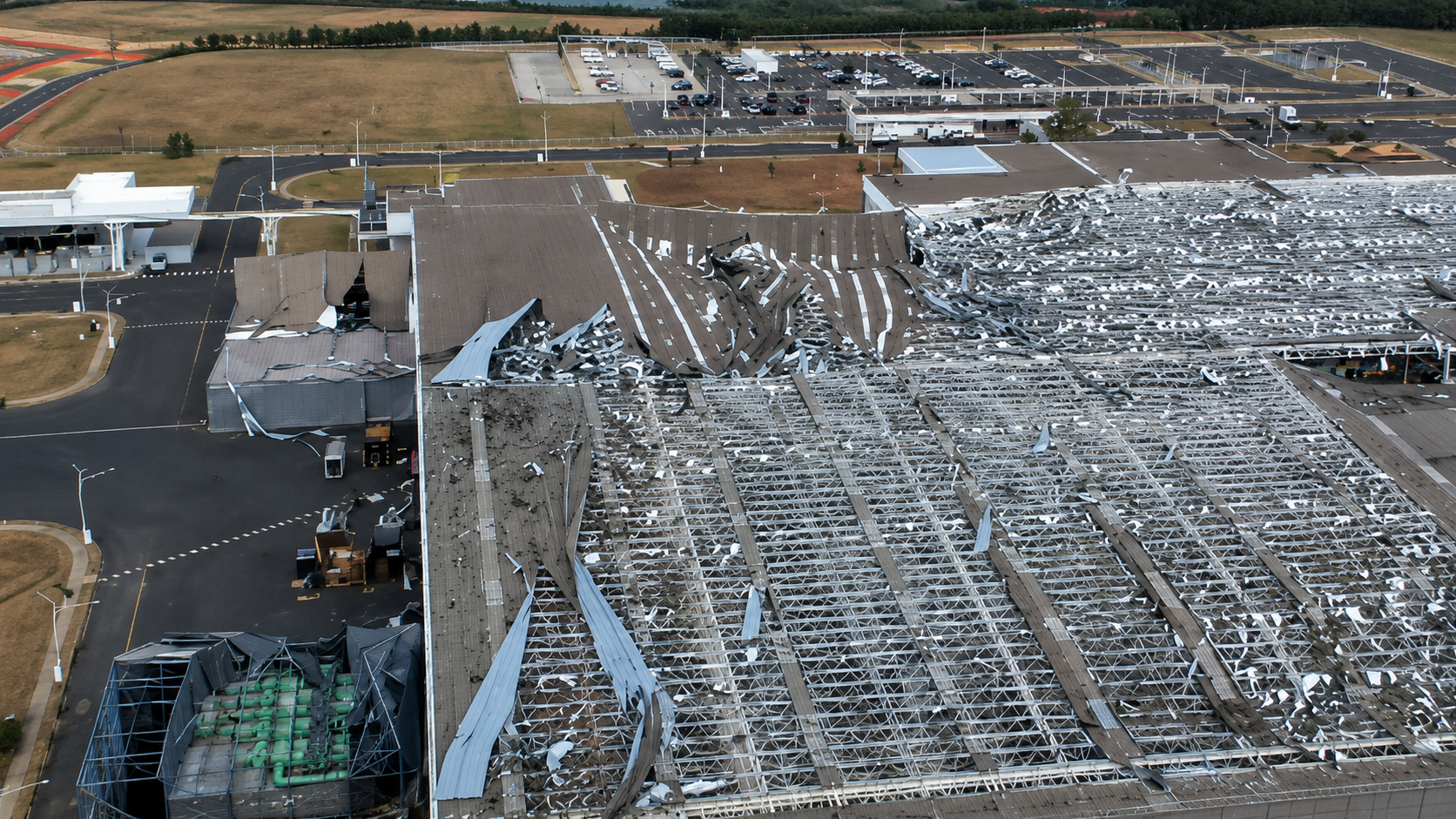
Toyota’s factory in Porto Feliz has been completely demolished after a windstorm, and rebuilding from scratch changes the engine plan until 2028.


This is because in March of this year, Equinor approached the ANP and requested a new deadline, a delay to only July 31. However, the Superintendence of Development and Production (SDP) of the ANP suggested that the deadline be postponed to August 31, giving the oil company an additional month.
The technical managers of the SDP claimed that the new deadline could be impacted by a new outbreak of Covid-19 or by the need for secondary activities indicated in any inspection.
Understand a Little More About Equinor and the Peregrino Field
In this regard, it is important to know that Equinor is a global energy company based in Norway, with operations in more than 30 countries. In Brazil, the company has been present for two decades, focusing on both oil and gas exploration and production, as well as renewable energies. In all of its 20 years of journey in the country, more than US$ 11 billion has been invested, contributing to the development of the energy sector and the local economy, elevating Brazil.
Equinor has been producing oil and gas in Brazil since 2011, specifically when the Peregrino field began operations, considered the company’s largest international offshore operation. Since then, the Norwegian company has produced more than 200 million barrels in the area, a considerable amount. The company states that it has a long-term commitment to the country, with a diversified oil and gas portfolio, holding licenses at different stages.
Additionally, the company also has in Brazil the first solar plant in Equinor’s global portfolio, located in Ceará, with the capacity to generate energy for 200 thousand Brazilian families, ensuring that many homes have electricity without excessive costs, contributing to Brazilian sociocultural development.
Peregrino, located in the Campos Basin, is Equinor’s daily laboratory in the search for production efficiency. In recent years, the company has managed to reduce Peregrino’s operational costs by about 35%, which can help the oil company maximize value creation in the long term and thus extend the field’s useful life. This means that the company can continue generating jobs for a longer time.





Be the first to react!