






 Portuguese
  Spanish
  2 min of reading
  0 comments


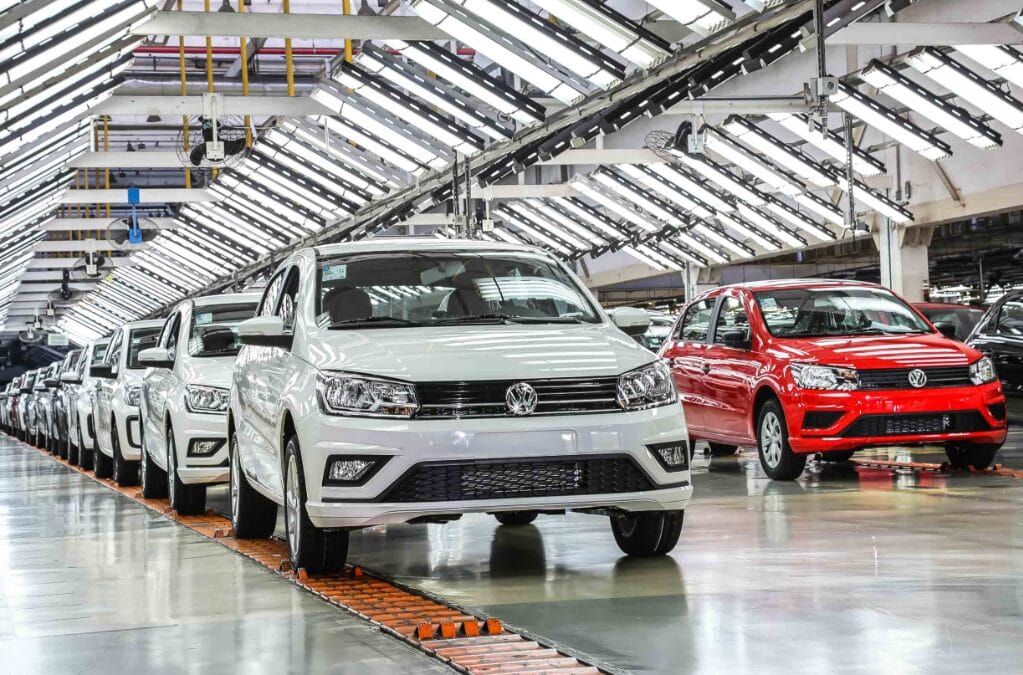
Reference in The Automotive Sector, Volkswagen Studies Electric Car Production in Brazil, CEO Reveals in Interview with CBN Autoesporte.
Volkswagen is strongly considering the production of electric cars in Brazil, revealed the company’s CEO in the country, Ciro Possobom, in an exclusive interview for the CBN Autoesporte podcast. Although the manufacturer announced a robust investment plan of R$ 9 billion by 2028, the development of electric cars was not initially included in this project. However, the company is already preparing for the possibility, indicating that new investment cycles may be planned.
Meet the 1st Electric Car from Volkswagen in Brazil
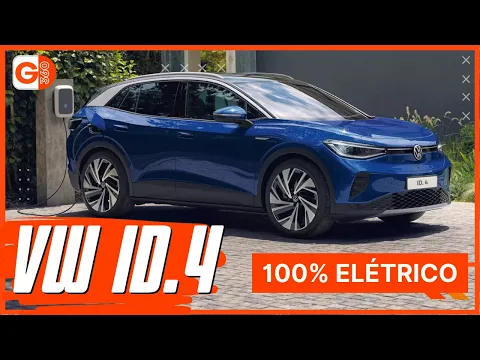

Economic Viability and Production Scale Are The Challenges for Local Manufacturing
According to Possobom, the economic viability of this project is tied to an annual production scale in the six-digit range.
He emphasized the need to sell approximately 100,000 units per year, and to achieve that goal, it is imperative to make the electric car accessible to the Brazilian consumer.
-
New 0km electric car costs less than R$ 50,000 with an 18 hp engine, carries up to 6 people, travels over 100 km per charge, recharges in a regular outlet, and surprises by dispensing with airbags and limiting speed to 50 km/h in Mexico.

-
Pressure from residents forces a U.S. energy utility to suspend negotiations with a data center that could require 500 megawatts by 2032 and demand new lines, reinforcements in the power grid, and large infrastructure investments.

-
New Honda HooRide 125 scooter debuts in China with ADV styling, 17-inch wheels, TFT panel, Smart Key, and fuel consumption of up to 47.17 km/l, aiming to resemble an urban X-ADV with a 125 engine, CVT transmission, and an economical proposal for cities.

-
Volkswagen focuses on ethanol and tests a Saveiro 100% alcohol-powered with a recalibrated engine; the project may ensure tax reduction, targets corporate fleets, and revives technology that lost ground since the arrival of flex-fuel vehicles in 2003.


Volkswagen is dedicating efforts to study and develop a model that meets these criteria, but the CEO did not provide details on timelines or the factory that will possibly produce these vehicles.
It is important to note that Volkswagen does not intend to limit itself to a single propulsion technology, whether electric or hybrid.
Possobom emphasized that in the coming years, the company will continue investing in combustion models, leveraging its current lineup of 11 cars.
He expressed the ongoing need for renewal, indicating that the company plans to bring new imported cars to complement the offering of electric vehicles.
Volkswagen Considers Electric Car Production in Brazil
With a budget of R$ 9 billion by 2028, Volkswagen aims to launch 16 new products, including both new models and renewals of existing models, both domestic and imported.
Although Possobom did not reveal details about these launches, he promised news soon.
In January, Autoesporte magazine reported that Volkswagen was studying the nationalization of production for the ID.2 family in Brazil.
This line will include a compact hatchback and a compact SUV, both derived from the MEB Entry platform.
So far, the factory in São José dos Pinhais (PR) is the main candidate for producing Volkswagen’s first national electric car, while São Bernardo do Campo (SP) and Taubaté (SP) are also being considered options.
Volkswagen seems to be betting on the future of electric mobility in Brazil, keeping a focus on innovation and diversifying its vehicle offerings.
Source: Um só Planeta




Be the first to react!