






 Portuguese
  Spanish


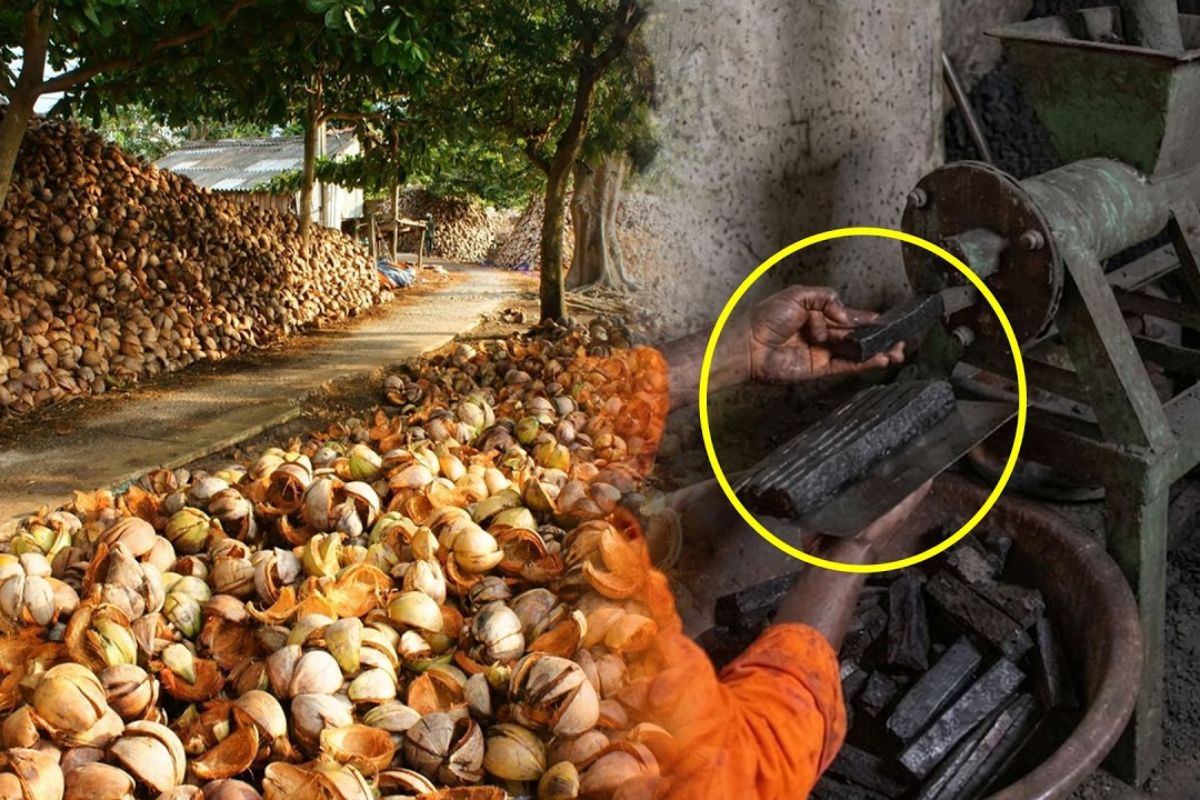


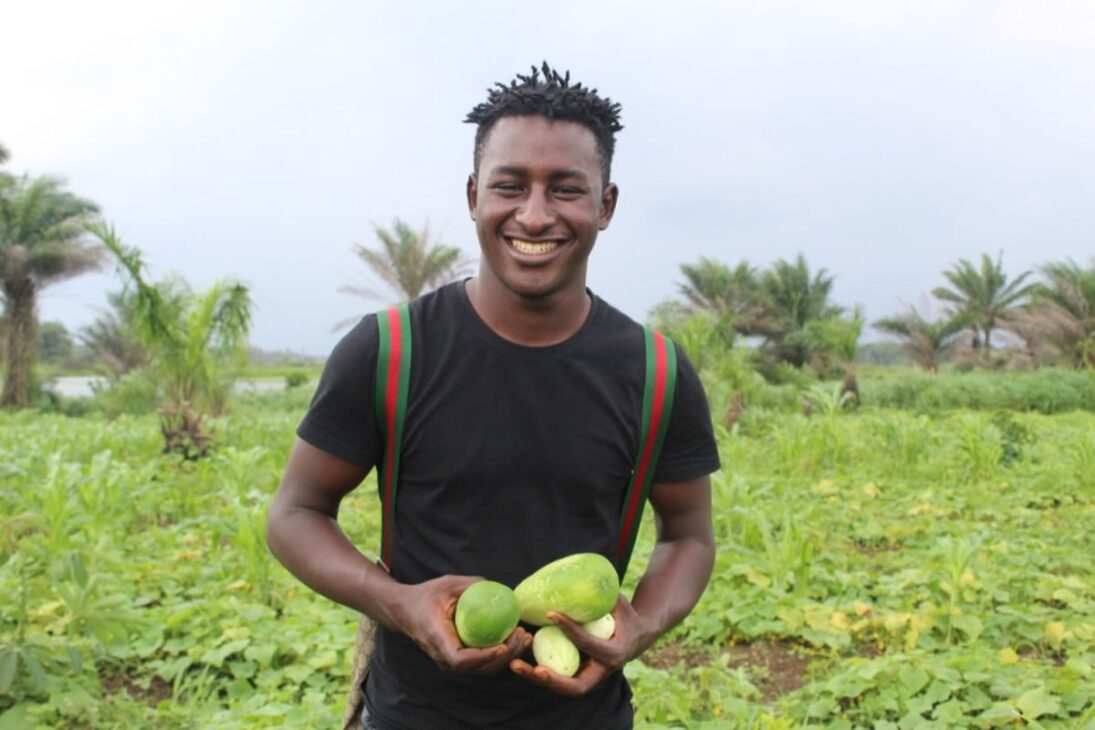
Young African Identified as Alhaji Siraj Bah Saw in Sierra Leone That Discarded Coconut Shells Could Turn into Cleaner Biomass, After a Disaster with Over 1,100 Deaths, Creating Long-Lasting Charcoal to Reduce Deforestation, Address Energy Poverty, and Try to Preserve Vulnerable Slopes of the City Directly Affected.
The young African Alhaji Siraj Bah was 17 years old when the 2017 landslide on Sugar Loaf Mountain devastated part of Freetown, in Sierra Leone, leaving over 1,100 dead. Amid the rubble, he realized that the tragedy was not just the result of rain or a collapsing slope. It was also linked to energy poverty and deforestation pushing thousands of families towards wood charcoal.
From this understanding, coconut shells emerged as raw material for biomass, in an attempt to replace part of the traditional fuel used in kitchens. The proposal seemed simple but tackled a structural problem. Reducing deforestation without taking away the daily fire that families depend on to survive.
The Tragedy Exposed a Cycle That Was Already Eroding Sierra Leone
In Sierra Leone, over 80% of the population relies on solid fuel for cooking. For a large part of these families, electricity and gas remain out of reach, and charcoal continues to be the central option.
-
Crab Trapped in Plastic Bottle for 62 Days Near Okinawa Highlights Little-Known Impact of Marine Pollution on Small Animals

-
Esperanza’s Bamboo Barrier in Oaxaca Redirects River and Reduces Erosion by 85% in Five Years

-
Family Builds Homemade Wind Turbine to Power Off-Grid Home, Video Reaches 555,000 Views on Ngô Thị Huyền’s Channel
-
Indian Brand Creates Sneakers from Recycled PET Bottles and Discarded Tires, Repurposing Over 1 Million Bottles and Raising $4 Million for Expansion



The problem is that to produce 1 kilogram of commercial charcoal, the traditional method requires burning 8 to 10 kilograms of fresh wood, in an inefficient process that wastes energy in smoke and excessive heat.
This model carries a high environmental cost. Sierra Leone has lost up to 70% of its forests in the last 50 years, which helps explain why the slopes have become more vulnerable.
When old trees are cut down, the roots no longer support the soil, water infiltrates more easily, and the risk of landslides increases specifically where there are already exposed homes.
Why Coconut Shells Turned into Higher-Performance Biomass
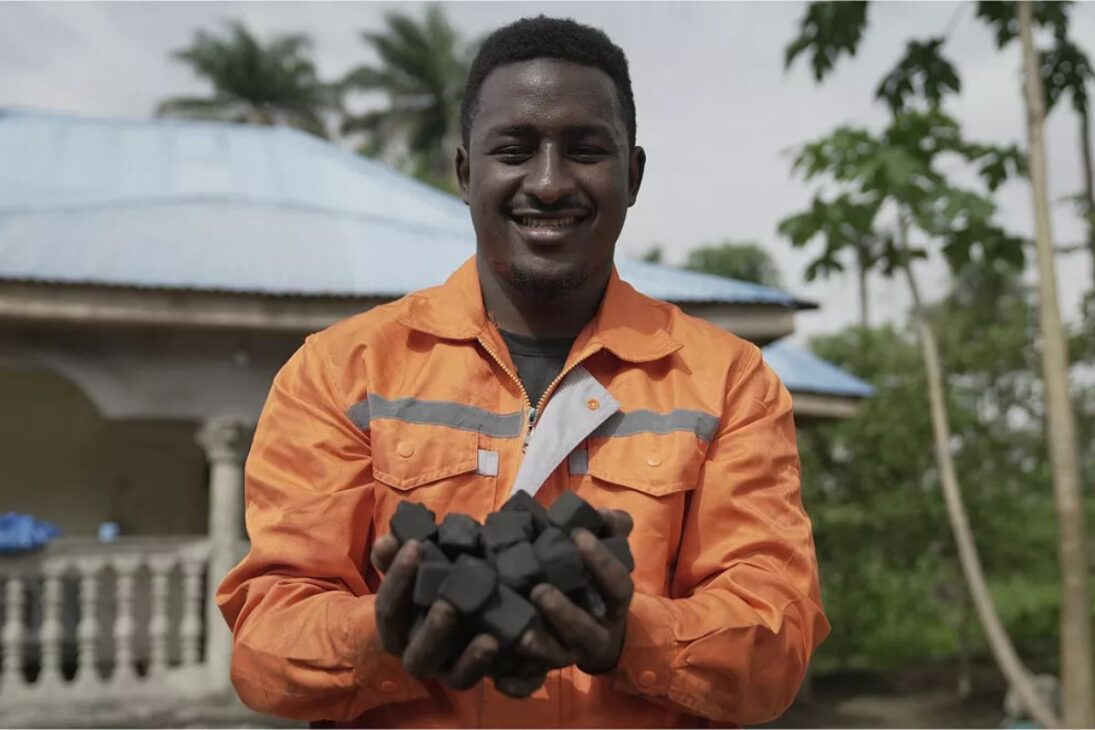
The coconut shells attracted attention because they do not behave like any regular waste.
They concentrate high amounts of lignin and higher fixed carbon content than common woods, which increases their calorific value.
In practical terms, this means that the biomass produced from this material can burn hotter and longer, offering superior performance compared to rudimentary wood charcoal.
The process used to transform coconut shells into biomass involves pyrolysis, grinding, mixing with water and a binder, high-pressure extrusion, and drying for three to four days.
The final result is compact, uniform briquettes that are more energy-dense.
This fuel burns up to four times longer, almost produces no smoke, does not leave a strong odor, and reduces the risk of respiratory diseases indoors.
The Product Was Better but Run into the Poverty Trap


For the young African, the next challenge was not technical, but economic.
The coconut charcoal produced by his operation costs 70 cents per kilogram, while rudimentary wood charcoal can be four times cheaper.
For workers in Freetown who earn less than 2 per day, paying more for fuel, even when it lasts longer, remains a tough choice.
In light of this, he avoided directly competing in the poorer market and sought clients willing to pay for quality, such as hookah bars and establishments needing stable heat, slow combustion, and no odor.
This strategy kept the business alive, generated revenues of up to 4,500 in peak months, and helped sustain 10 full-time employees and 40 temporary ones.
Without scale, biomass does not reach popular kitchens; with scale, it can finally compete with cheap charcoal.
Biomass Can Protect Forests and Reduce the Risk of New Tragedies
The environmental cost behind the initiative is straightforward. According to the data presented, one ton of biomass charcoal can save about 80 small trees from being cut.
If the goal of scaling production to 10 tons per week is achieved, the number of trees preserved over the year could reach tens of thousands, reducing pressure on already fragile areas.
This matters because preserving trees also means keeping living roots holding the soil.
In Sierra Leone, where the mayor of Freetown is leading a campaign to plant 1 million trees, the initiative comes as a complementary piece.
Planting helps, but stopping deforestation is what prevents the loss of old trees. Without reducing cutting, forest recovery always lags behind the damage.
From Urban Waste to a Response Recognized Outside the Country
With this, the young African transformed a waste seen as a problem into a concrete answer for energy and environmental preservation.
The coconut shells ceased to be urban waste and became an energy input, job generation, and a tool for circular economy.
The result extended beyond the neighborhood or the city. Alhaji Siraj Bah’s journey was recognized in spaces like Harvard and the United Nations.
The strength of this story lies in the contrast. The solution did not come from a billion-dollar laboratory but from direct observation of a tragedy, energy scarcity, and the advance of deforestation over an already wounded territory.
By connecting waste, biomass, and forest, he built a response that attempts to tackle poverty, household smoke, and pressure on the slopes simultaneously.
The journey of the young African in Sierra Leone shows that a relevant environmental response does not always start with giant machines or major national policies.
Sometimes, it is born when someone sees value where there was only waste before, linking coconut shells to biomass and transforming an ignored remnant into a real alternative against deforestation.
At the heart of this story is a question that transcends Sierra Leone. If agricultural and urban waste can turn into cleaner fuel and alleviate deforestation, why do so many regions still treat this material only as garbage? Do you believe that models similar to that of the young African could scale in countries suffering from threatened forests and expensive energy?


