





 Portuguese
  English
  Spanish
 4 min of reading
  7 comments


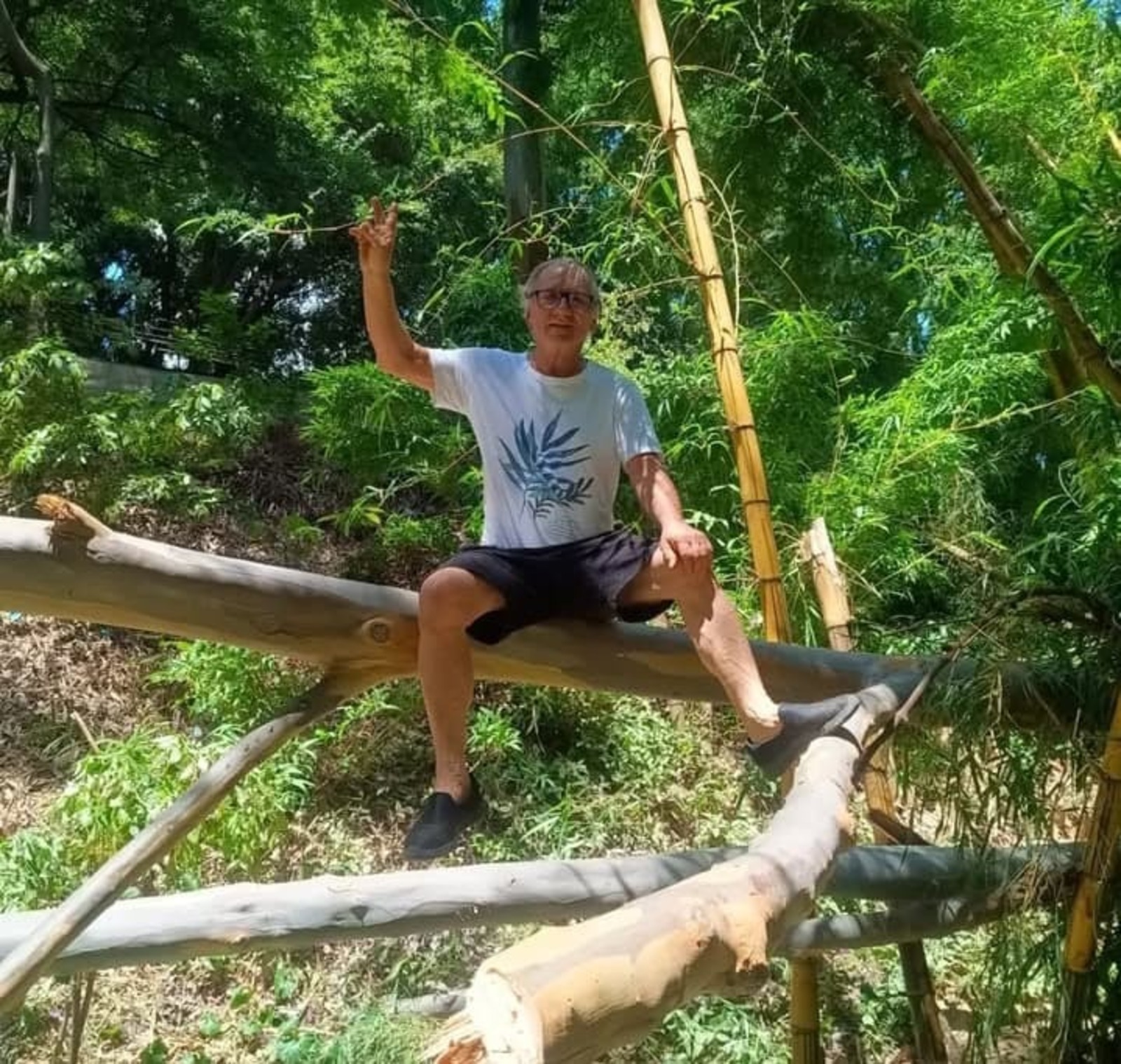


In Two Decades, Retiree Hélio da Silva Transformed the Degraded Banks of the Tiquatira Stream in the East Zone of São Paulo by Planting More Than 42 Thousand Trees, Creating an Urban Forest That Changed the Landscape, the Local Climate, and the Community’s Relationship with Public Space
The contrast is visible even from above. Where a gray strip once dominated the Penha neighborhood, today there is an expanse of continuous green forest.
Over two decades, the scene of the Tiquatira Stream has radically changed, moving from sparse scrub and accumulated garbage to a consolidated urban forest.
The current Tiquatira Linear Park spans more than three kilometers and ranks among the largest continuous green areas amidst São Paulo’s concrete.
-
Nubank customers fear losing money after an out-of-court liquidation notice by the Central Bank, but the bank admits operational error, keeps licenses active, and the Central Bank denies intervention.

-
It seems like something out of a movie, but it happens in Brazil: when the national team takes the field in the World Cup, even the power grid changes its behavior because millions pause their routine, turn on TVs, and alter energy consumption all at once.

-
São Paulo releases 50,000 free World Cup stickers in libraries and reading points, with 3,000 albums for those with an active registration, while collectors have a few days to pick up the kit and exchange stickers before the stock runs out.
-
Duplication works on the BR-101 tore through the soil in the Northeast and revealed 142 archaeological sites buried along the highway’s path, exposing the clash between modern infrastructure and ancient heritage.



A Transformation Outside of Public Power
The change did not arise from government policies or structured environmental projects, but from the individual decision of a local resident.
Hélio da Silva, now 74 years old, has lived in the area for over six decades and closely witnessed the advance of degradation.
In November 2003, he announced to his family that he would change that scenario in ten years, despite their shock and concern.
According to him, the area was dangerous, marked by robberies and abandonment, which led family members to try to discourage him.
The contrary reaction served as motivation. When everyone doubted, Hélio decided to move forward with even greater determination.

Quiet Routine of Tree Planting
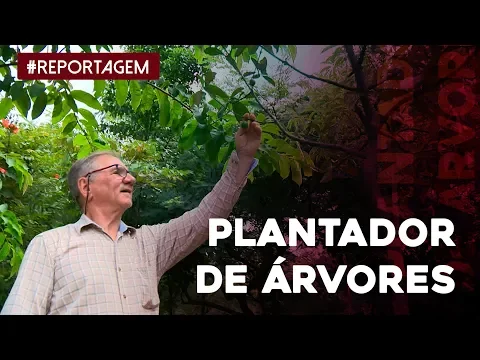
On weekends, he would go out with seedlings, fertilizer, and a hoe, planting a few or dozens of trees at a time.
Days later, he would return to water, monitor growth, and document each action in a detailed binder.
To this day, he keeps notes with the location, date, and species of each of the more than 42 thousand trees he planted.
Before urbanization, the Tiquatira was a winding watercourse, relatively clean but with little tree cover on its banks.
With the canalization, the natural bed gave way to polluted concrete, and in the 1980s, the surrounding area became an avenue.
Returning Green to the City
In 2003, Hélio began the process of returning to the banks part of what urbanization had taken away from the space.
Over time, the trees grew, shade returned, and animal species began to reoccupy the area.
Today, the canopies meet over the stream, creating an environment he describes as a refuge and a place of peace.
In the early years, his persistence was tested. The first 200 seedlings were destroyed, followed by another 400.
In response, he decided to plant five thousand, maintaining the routine until the forest became established.
Biodiversity and Thermal Comfort with the Created Forest
Currently, the banks of the Tiquatira host 164 species of the Atlantic Forest, including ipê, jatobá, pau-brasil, and araucária.
About 3 thousand trees are fruit-bearing, such as jabuticaba, guava, cherry of the large river, and bacupari, attracting diverse fauna.
Birdwatching groups have already recorded 69 species in the area, including toucans, woodpeckers, thrushes, and bem-te-vis.
According to Hélio, the temperature difference between the park and nearby streets reaches about five degrees.
On intensely hot days, the contrast is noticeable when stepping off the asphalt of Avenida Governador Carvalho Pinto and entering the forest.
He also states that the trees help to contain flooding, retaining part of the water from runoff during heavy rains.
Social Impact and Collective Inspiration
Over time, the former idle and unsafe area became a meeting point for families, schools, and residents of the region.
In Penha, solitary work turned into a reference and an invitation for collective participation in environmental care.
Residents report that the space has started to integrate into their routines, with daily walks and frequent educational activities.
In 2023, the SOS Atlantic Forest Foundation reported that the initiative inspired around 300 planting groups throughout Brazil.
The information from the SOS Atlantic Forest Foundation highlights the expansion of the example, from North to South of the country.
Continuity and Legacy
In addition to continuing to plant, Hélio participates in lectures at schools and events on preservation and environmental education.
Even at 74 years old, he maintains an intense pace. During rainy periods, he can plant up to 60 seedlings a day.
The majority of the trees are acquired with personal funds from nurseries in the interior of São Paulo, where costs are lower.
More than a habit, planting has become part of his daily life and his relationship with the neighborhood.
The goal remains clear: to reach 50 thousand trees in the Tiquatira and continue monitoring each one as it grows.
As a precursor, Municipal Law No. 17.794-2022 allows planting in public areas without prior authorization, requiring notification to the city hall and respect for the Municipal Urban Forestry Plan.
With information from G1.




A reportagem deveria ter fotos…
“Todos gostam de sombra, mas poucos plantas árvores.”
Belíssima iniciativa!
Parabéns precisamos mais pessoas assim com esse amor pelo meio ambiente. Que esse senhor viva muito anos de vida