Portuguese
  Spanish


São Paulo City Hall distributes World Cup stickers in libraries, reading points, and reading groves between June 11 and 19. Each participant can collect a World Cup album with 14 stickers, provided they have an active registration in the Municipal Library System and find available stock in participating units in the capital.
The World Cup stickers began to be distributed for free in São Paulo between June 11 and 19, 2026. The action is carried out by the City Hall of São Paulo, through the Municipal Department of Culture and Creative Economy, in partnership with Panini publisher, in 27 public spaces in the city.
According to a report by ND Mais, a total of 3,000 albums and 50,000 World Cup 2026 stickers will be made available. The collection takes place in municipal libraries, reading points, and reading groves, with a limit of one World Cup album and 14 stickers per participant, provided the person has an active registration in the Municipal Library System or registers at the time of collection.
World Cup Stickers Become Free Attraction in São Paulo
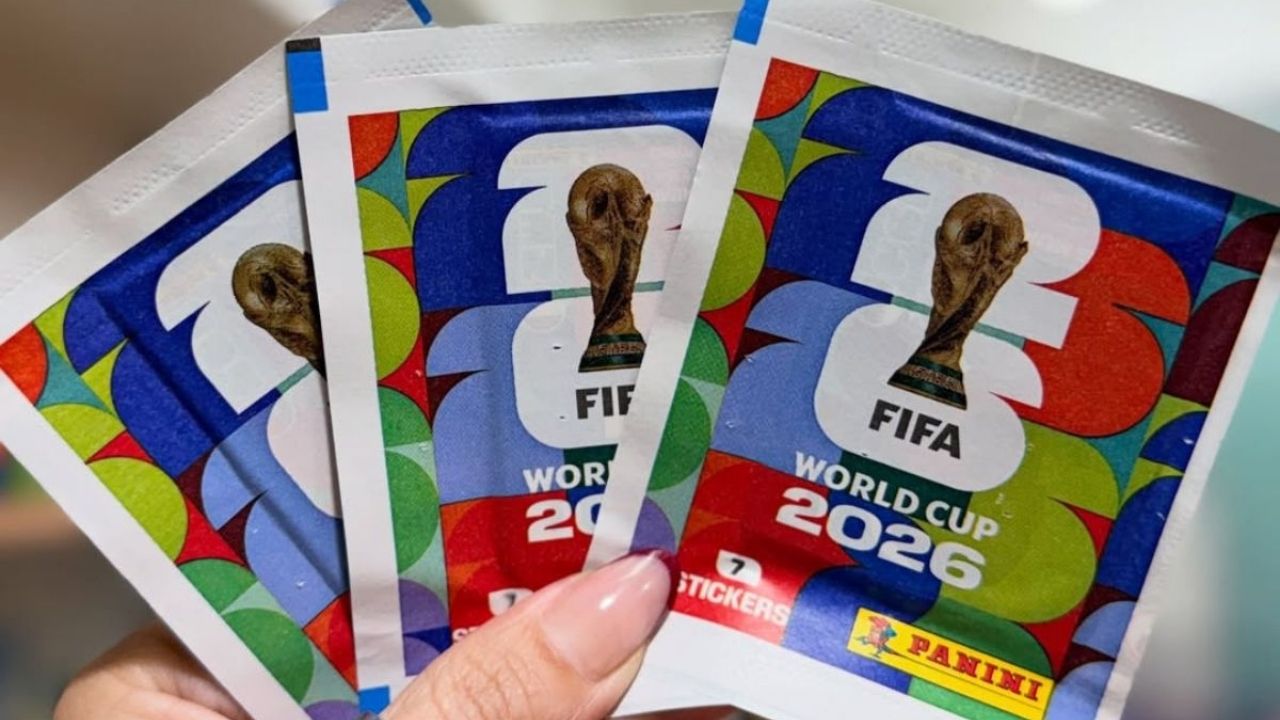
The distribution of the World Cup stickers creates an opportunity for those who have not yet started the World Cup 2026 album collection or are trying to progress without spending on new packs. The proposal brings the kits to public reading facilities, spread across different regions of the São Paulo capital.
-
Brazilian Students Turn Recycled Plastic Bottles into Synthetic Yarn for Scarves to Aid Needy Families

-
Why the Same Citrus Fruit Has Different Names Across Brazil and How Varieties Differ
-
India Paints Road Red and Uses Smart Asphalt to Slow Drivers and Protect Wildlife in Nature Reserve

-
Yellow vs. White Fat: The Little-Known Difference That Can Impact the Quality and Flavor of Your Barbecue




The detail that should accelerate the demand is the stock limit. The action has 3,000 albums and 50,000 stickers available, but the distribution occurs only while there are units in each participating point. Therefore, interested collectors have a short window to try to secure the free kit.
Who can collect the album and the stickers
Each participant can receive an album and 14 World Cup stickers free of charge, provided they comply with the registration rules. The City Hall informs that it is necessary to have an active registration in the Municipal Library System, without any pending issues or blocks.
Those who are not yet part of the system can also participate. In this case, registration can be done at the time of collection, directly at the participating unit. In practice, the action combines the distribution of stickers with the promotion of the use of the city’s public libraries.
Delivery schedule requires collectors’ attention
The distribution of the kits was announced to take place from 11 am to 1 pm. However, the schedule itself may vary according to the dynamics of each unit, making it important to check the local organization before heading to the chosen point.
This time limitation increases the competition for the kits, especially in places with higher circulation. Since the World Cup stickers are delivered on a first-come, first-served basis, the combination of a short deadline, limited stock, and collectors’ interest can quickly deplete the materials in some units.
Municipal libraries concentrate part of the distribution
The delivery takes place in municipal libraries in various regions of São Paulo. Among the participating locations are units such as the Adelpha Figueiredo Library in Pari; the Affonso Taunay Library in Mooca; the Anne Frank Library in Itaim Bibi; and the Hans Christian Andersen Library in Tatuapé.
The list also includes libraries such as Monteiro Lobato in Vila Buarque; Mário Schenberg in Vila Romana; Padre José de Anchieta in Perus; Sérgio Buarque de Holanda in Vila Carmosina; and other units scattered throughout the capital. The decentralized distribution expands the reach of the action but does not eliminate the need to hurry before the stock runs out.
Reading points and groves also join the action
In addition to the libraries, the distribution of the World Cup stickers also takes place at reading points and groves. Among the disclosed addresses are the Cidade Ademar Reading Point, the Juscelino Kubitschek Reading Point, the Graciliano Ramos Reading Point, and the Jardim Lapenna Reading Point.
The list also includes the Raposo Tavares Reading Grove, the Praça do Bambuzal Reading Point, and the Severino do Ramo Reading Point. These spaces reinforce the proposal to take the action beyond the more central regions, bringing the World Cup album closer to residents of different neighborhoods.
Sticker exchange can enliven public spaces
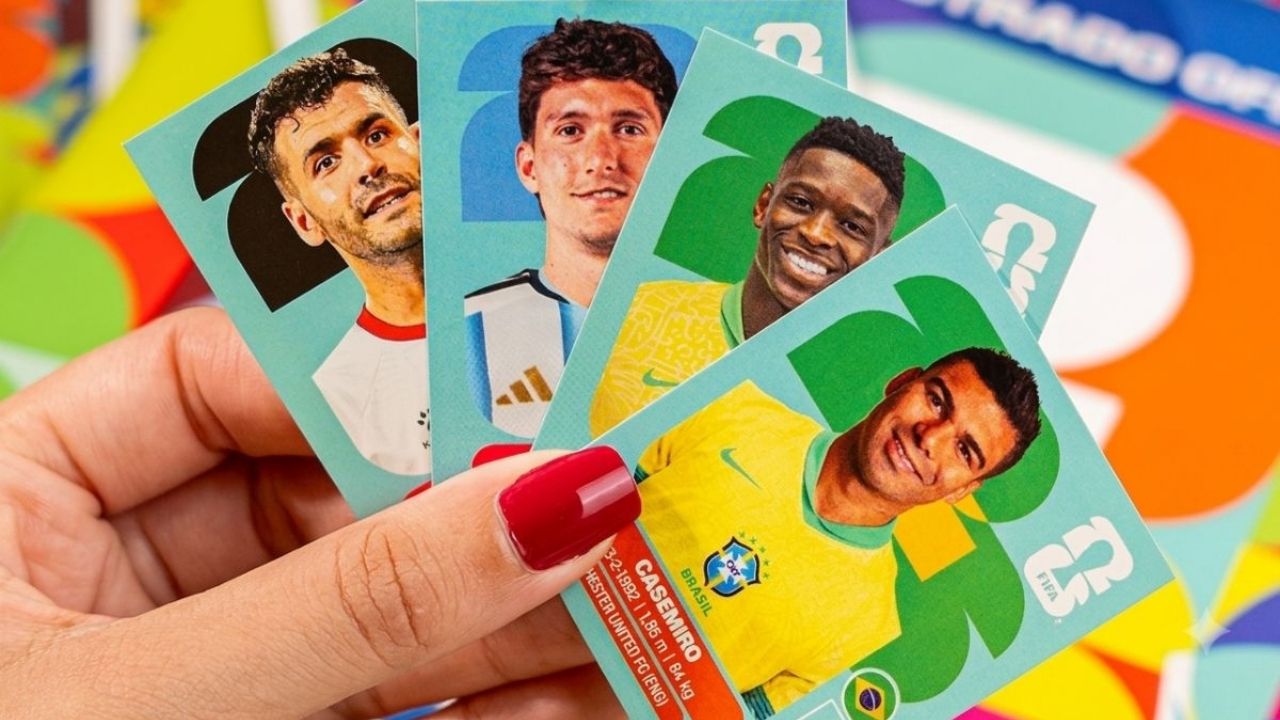
In addition to the free distribution, some participating locations will have areas designated for exchanging duplicate stickers. This can help collectors who have already started the album and need to complete specific pages before buying new packs.
Exchanging is one of the most traditional parts of World Cup album culture. By bringing this dynamic to libraries and reading points, the initiative transforms public spaces into meeting places for children, young people, families, and adults who share the same goal: completing the collection.
Action brings World Cup, reading, and community interaction closer
Although the immediate focus is on the World Cup stickers, the choice of libraries and reading points also has another effect. The action can attract people who do not usually frequent these spaces and introduce public cultural services to new users.
The requirement for registration in the Municipal Library System reinforces this connection. Those seeking a free album can also discover a public facility near their home, consult collections, and return to the location after the campaign. The sticker becomes a lure of interest, but the library can be the permanent gain.
Limited stock should define the pace of demand
The total announced number, of 50,000 World Cup stickers and 3,000 albums, seems high at first glance, but becomes more competitive when divided among 27 units and several distribution days. As each person can collect one kit, demand may exceed supply in busier locations.
Therefore, the safest advice for the reader is not to wait until the last day. The action continues until June 19, but delivery depends on the stock available at each location. When the kits run out, there is no guarantee of replenishment as informed in the original disclosure.
Do you think this type of action should be expanded to more cities and public schools, or is distribution in libraries already sufficient to bring people closer to these spaces? Leave your opinion in the comments.