






 Portuguese
  Spanish





Technology That Already Dominates The International Market Begins To Gain Ground In Brazil By Offering Significant Energy Savings, Ease Of Installation, And Potential To Transform Residential Hot Water Consumption.
The arrival of heat pump water heaters to the Brazilian market marks a significant change in the residential energy consumption landscape.
The technology, which already holds a prominent position in countries like the United States, is starting to make its way into Brazilian homes, presenting an alternative to the traditional electric shower.
By utilizing the principle of heat transfer from the ambient air to a water reservoir, the equipment promises savings of up to 70% on electricity bills compared to conventional resistance heating systems.
-
Bruno Guimarães, 28, Misses Crucial Penalty Against Norway in World Cup After Replacing Vinicius Jr.

-
Inspired by a school lesson on Africa’s water crisis, a young boy raised money through chores to fund a well that transformed a Ugandan community.

-
Brazilian Construction Worker Moves to France, Earns Up to €2,500 Monthly with Home Renovations, Gains Social Media Attention

-
US Navy Sinks USS Oriskany with 230 kg of C-4, Creating World’s Largest Artificial Reef in 37 Minutes





How The Heat Pump Works For Water Heating
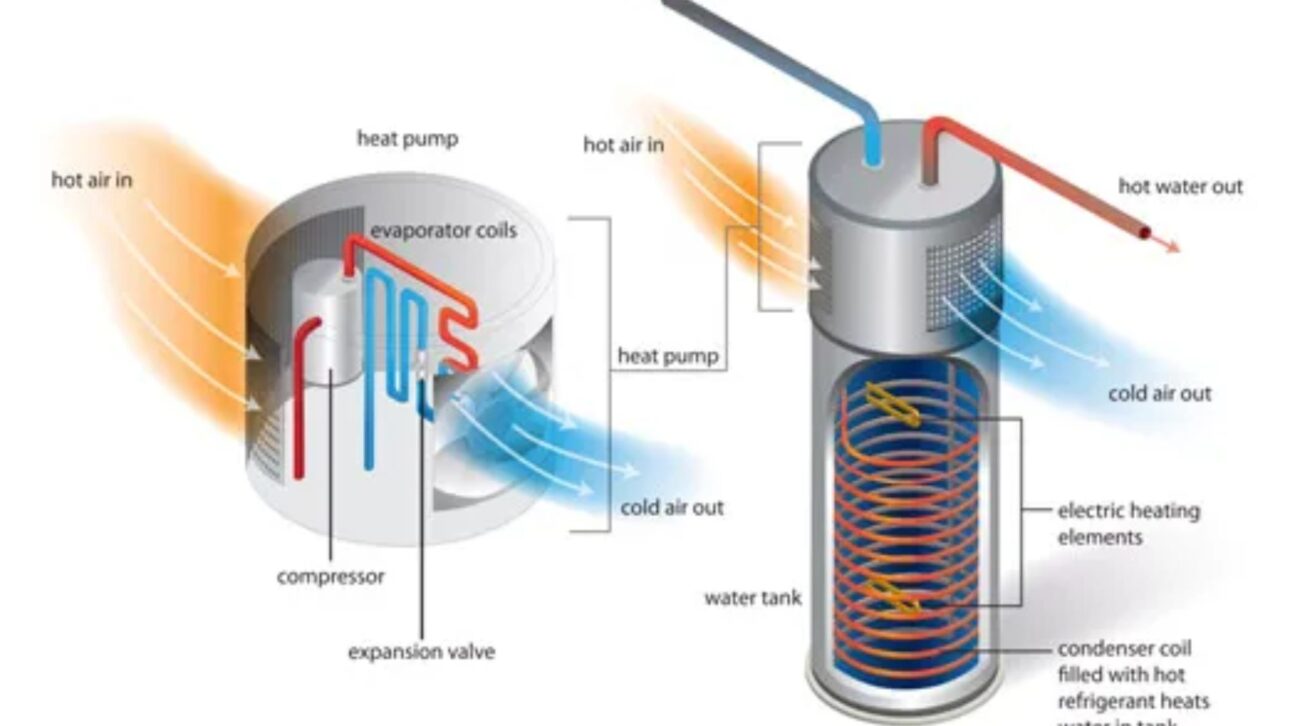
The concept, known internationally as Heat Pump Water Heater (HPWH), operates similarly to an inverted refrigerator.
Instead of consuming energy to generate heat directly, the heat pump uses a compressor to extract heat from the air and transfer it to the stored water.
According to recent data from the US ENERGY STAR program, the efficiency of this system is measured by the Coefficient of Performance (COP), which exceeds 3.5 in the most efficient models.
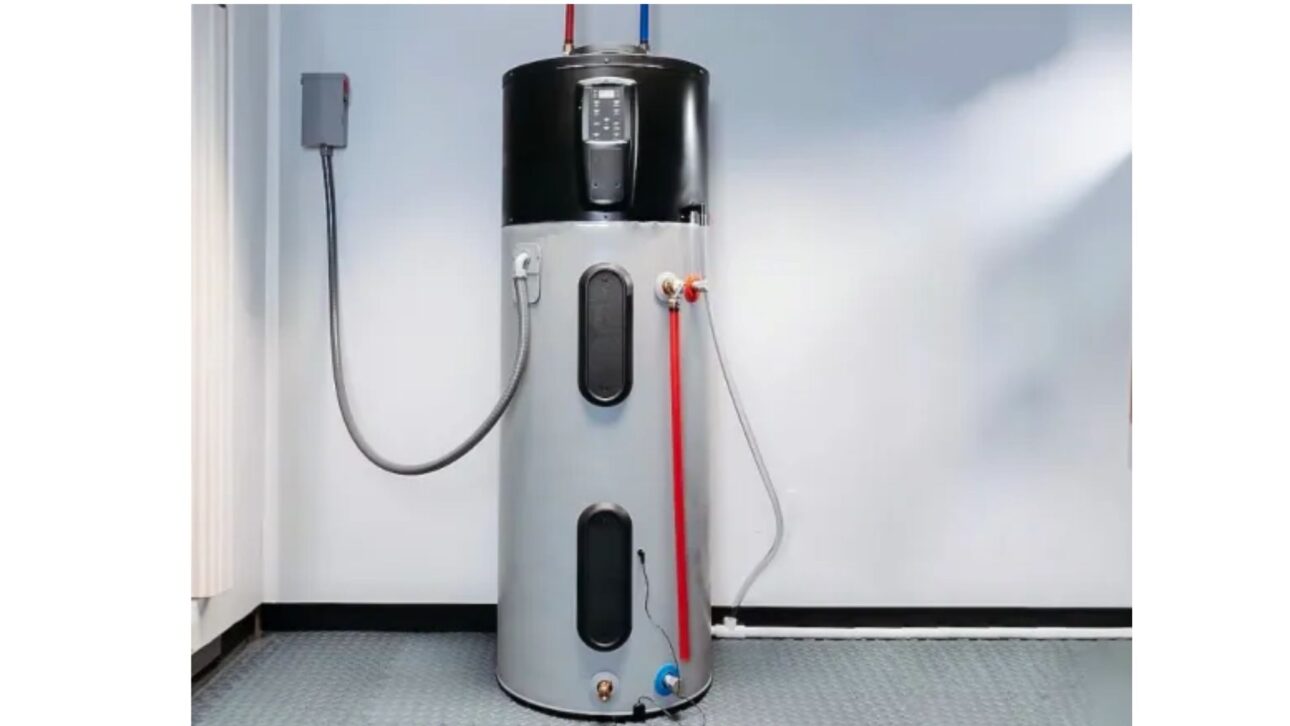
This means that for each unit of electrical energy consumed, more than three units of heat are delivered to the water, raising the efficiency level of the equipment.
Energy Savings And Return On Investment
In the United States, the Department of Energy (DOE) states that starting in 2029, new electric boilers must meet minimum efficiency requirements equivalent to those of heat pumps.
This technological advancement can also be observed in data released by ENERGY STAR: a HPWH of 190 liters can generate annual savings of up to 550 dollars for a family of four, with a return on initial investment in about three years.
An analysis published in April 2025, resulting from a partnership between the Washington Post and Harvard University, simulated the replacement of a gas system with a HPWH in the state of Maryland and indicated annual savings of approximately 240 dollars, recovering the invested amount in up to four years — the best performance among eleven evaluated energy renovation options in the study.
Offer In Brazil: Models, Prices, And Savings
In Brazil, most heat pump water heaters available are still imported models, designed for 220 V single-phase, compatible with the residential electrical grid.
Brands like Midea offer equipment from 200 to 300 liters, with COP above 3.5.
National manufacturers, such as Nautilus, have lines aimed at larger ventures, like inns and condominiums, but are already developing compact versions for household use.
The prices of these heaters range from 8,000 to 12,000 reais, not including installation, while electric boilers of similar capacity cost between 2,000 and 3,000 reais.
Despite the high initial price, the difference tends to be offset by lower monthly expenses, especially in cities with energy rates above 1 real per kilowatt-hour — a common reality during periods of red flag tariffs.
The savings provided by the system become evident when analyzing typical consumption profiles.
For a household with daily use of about 280 liters of hot water, the HPWH consumes an average of 1,000 kWh per year, compared to over 3,300 kWh for a resistance heater, according to ENERGY STAR documents.
Installation And Operation In Residential Environments
Installation requires attention to three main factors:
- Location with a minimum volume of 10 m³.
- Sufficient ventilation for thermal exchange.
- And a drain for condensate.
Engineers from the DOE warn that the air expelled by the equipment is 5 °C to 7 °C cooler than the internal temperature, which can help cool places like laundries.
In very enclosed spaces, however, the system’s performance may be reduced, compromising savings.
The reservoirs of heat pump water heaters usually have anti-corrosive coatings — vitrified glass or stainless steel — and a magnesium anode, which needs inspection every three years to ensure the durability of the equipment.
In the most modern models, the refrigerant gas used is R-290 (propane), a low environmental impact alternative in response to global regulations limiting the use of hydrofluorocarbons (HFCs), compounds with high global warming potential.
Incentives, Regulation, And Environmental Impact
In the United States, public policies encourage the adoption of the technology: consumers can access federal tax credits of up to 2,000 dollars and state bonuses that reach 1,200 dollars.
In Brazil, there is currently no federal subsidy for heat pump water heaters, but energy distributors and research groups are already evaluating the inclusion of the system in energy efficiency programs of the National Electric Energy Agency (Aneel).
Tests carried out in 2025 by Neoenergia teams in households in Recife and by Copel technicians in Paraná analyze performance in different regions and consumption profiles.
The environmental impact of replacing resistance heaters with heat pumps is significant.
The DOE estimates that the total replacement of these equipment in the United States could reduce annual carbon emissions by amounts equivalent to 10 million vehicles.
In the Brazilian context, lower energy demand during peak hours can decrease the activation of thermoelectric plants powered by oil and coal, sources that concentrate the highest marginal costs of the National Interconnected System.


Advantages In Retrofit And Old Buildings
In old buildings, especially those without gas piped in, the HPWH presents a relevant advantage: it eliminates the need for pipework, using only the existing electrical and hydraulic infrastructures.
According to the Brazilian Association of Real Estate Developers (Abrainc), the cost of bringing gas to an apartment can exceed 4,000 reais, in addition to the monthly supply fees.
This factor increases the attractiveness of the heat pump water heater in retrofit and modernization projects of buildings.
National Regulations And Increasing Demand
To adapt efficiency certification to the Brazilian tropical climate, the National Institute of Metrology, Quality, and Technology (Inmetro) is developing a specific methodology to measure COP at average temperatures of 25 °C and 60% relative humidity, different from the conditions in the United States.
The new energy efficiency label is expected to be open for public consultation by the end of 2025.
The increase in searches for “heat pump for bathing” recorded by major retailers starting in March 2025, a period marked by heatwaves and higher energy bills, signals growing interest among Brazilian consumers.
In light of this scenario, the question remains: is the Brazilian consumer ready to retire the electric shower and adopt a heat pump water heater, capable of reducing energy consumption by up to 70% in any season of the year?





Sem dúvida o chuveiro elétrico é o vilão nas contas de energia elétrica. Sempre foi, vamos ver este sistema de bombas criado nos E.U.A.
Analisando a sua eficiência qto ao do chuveiro achei interessante, para uma análise mais profunda preciso ler o catalago técnico para afirmar com certeza se vale a pé a o investimento, os pros e os contra, pois sabemos que os brasileiros diante de novas tecnogia ficam desesperados em adquerir sem pensar.
Como adquerir dados técnicos.
Obrigado
Antonio Carlos Totta