






 Portuguese
  Spanish


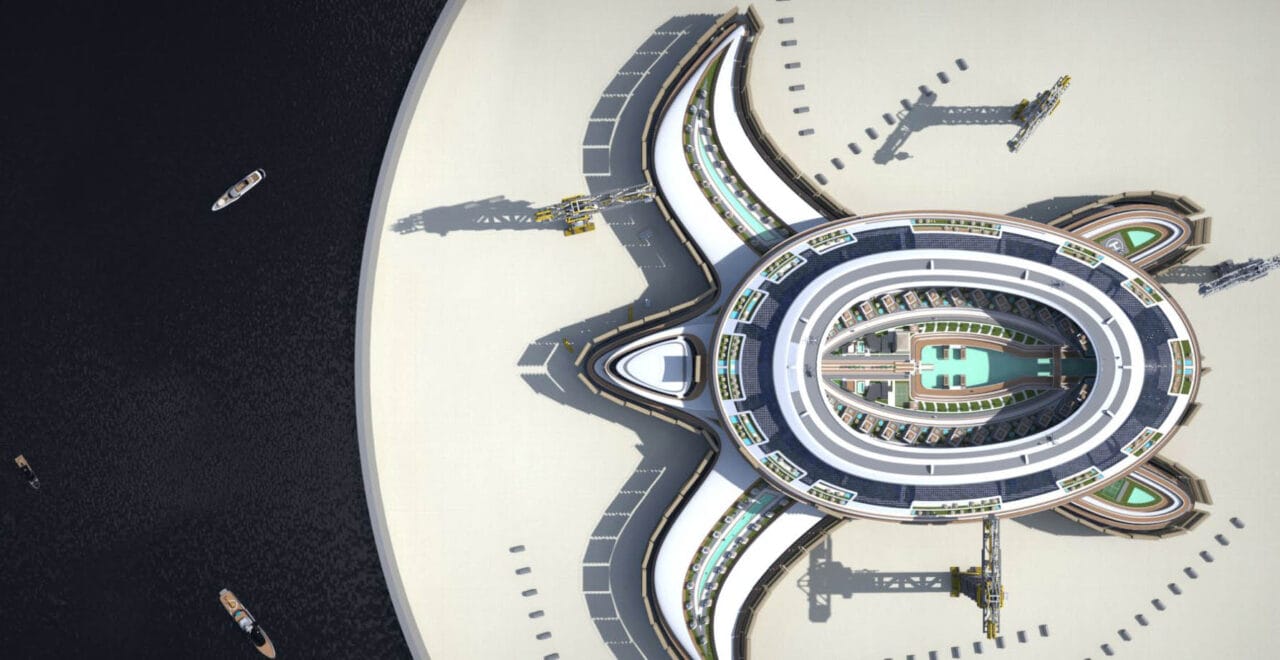

Saudi Arabia Surprises Again by Revealing Pangeos, An Innovative Floating City That Promises to Set New Standards in Engineering and Sustainability.
Saudi Arabia, already known for its bold projects like The Line, an advanced technological city, and a vast hotel complex, now presents Pangeos. This ambitious project involves the construction of a massive floating city, inspired by the shape of a turtle. With an investment exceeding 8 billion dollars, Pangeos aims to be a landmark in luxury and technology, redefining concepts of urbanism and sustainability.
Find Out Who is Behind the Pangeos Project
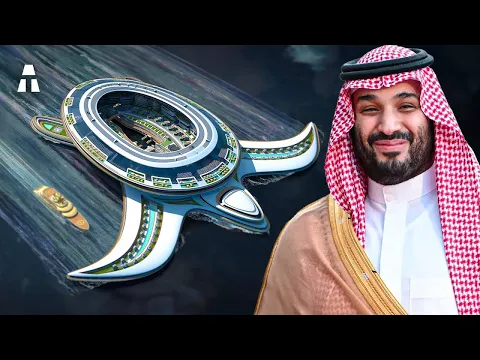

A few months ago, the world was amazed to discover a new project that Saudi Arabia could host. Named Pangeos, its name comes from Pangaea, a supercontinent that existed millions of years ago and was made up of nearly all of Earth’s land surface.
-
Ancient Mines in Spain Reveal Tools and Metals That May Explain Bronze Age Trade with Scandinavia

-
Facing a housing shortage, Hong Kong uses prefabricated concrete modules to construct a 12-story public building with the help of massive cranes and trucks.
-
Brazilian City Innovates Waste Collection with Underground Vacuum System
-
Amsterdam Repurposes Retired Boats and Plants to Restore Contaminated Industrial Land Instead of Removing All Polluted Soil


With the aim of accommodating 60,000 people, this floating city is expected to feature hotels, casinos, shopping centers, and even a seaport. Although the technological city project is to be built in Saudi Arabia, the idea comes from Italy.
The company behind this incredible project, Lazzarini, is made up of a team of designers specializing in the exclusive design of luxury yachts and automobiles. Its goal is to link these two aspects to design and architecture.
In creating its projects, advanced technologies are often highlighted. We can, for example, talk about the concept of a helium-powered flying superyacht that the studio called Air Yacht. Lazzarini offers the complete development of your project from conception to engineering.
The studio has already gained recognition multiple times for its ambitious concepts, and The Floating City, Pangeos, is not the only incredible project from the company. Once completed, Pangeos would be one of the largest floating structures ever built, measuring 550 m in length and 600 m in height.
Construction of the Floating City Started in 2033
The new technological city will have 19 private villas and 64 apartments in each of its wings. For comparison, today, the largest yacht ever built is the Azzam, which measures 180 m in length and is expected to accommodate 60,000 people. Pangeos would be a true technological city on the water with all the amenities and infrastructure needed to support such a population.
Construction is expected to begin in 2033 and last for 8 years. Dubbed the city of tomorrow, the total cost would be 8 billion dollars. The project will be equipped with nine superconducting electric motors, each having a power of 16,800 horsepower.
Additionally, it aims to harness wave power using its wings to generate renewable energy. The installation of solar panels on the roof of Pangeos is also planned, which will supply the entire floating city with renewable energy.
Challenges to Be Overcome for Building the Technological City
The studio would like Saudi Arabia to host the technological city, providing a perfect setting and logistics. The shipyard would be in Saudi Arabia, specifically at the Abdullah port, about 130 km north of Jeddah, where the studio would like to see its creation built.
Even though the project aims to be sustainable using the latest technologies and emitting no CO2, several problems are highlighted and opinions are divided. There are people against this project, emphasizing incompatibility with current climate concerns.
Its construction would require the installation of a circular dam and the drying of about 1 km² of sea. Additionally, such a large structure could have a devastating impact on ecology, particularly on marine life, which could cause irreversible damage. Some activists are then calling for consideration of whether the project is really useful, yet the studio is not giving up, and to finance its project, the virtual properties of Pangeos are currently available for potential buyers.


