Portuguese
  Spanish


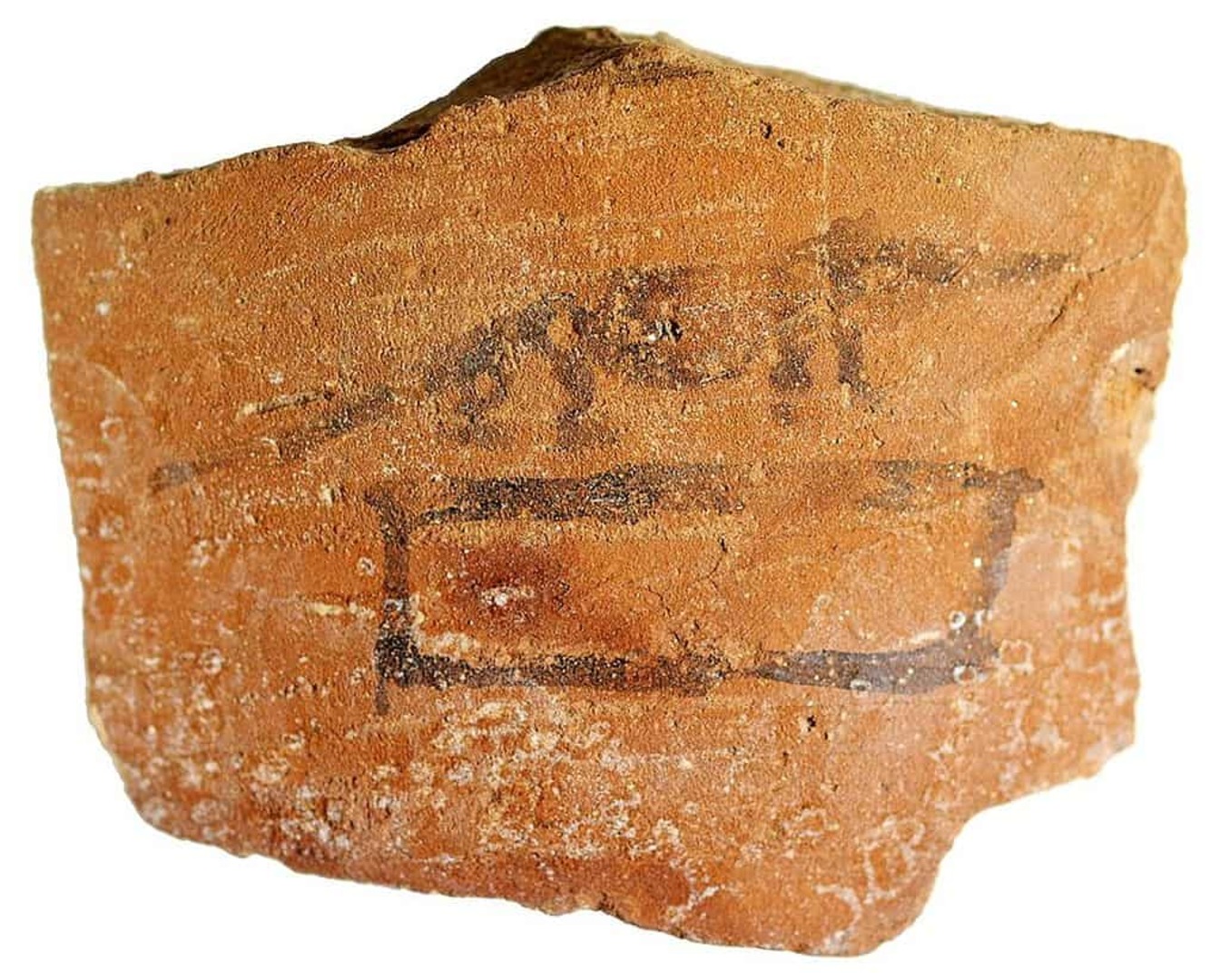


In addition to the educational context, the ostraca of ancient Egypt served as tax receipts, goods receipts, and shopping lists. The fragments detail transactions of food such as wheat and bread, as well as recording names of individuals and their respective debts or payments. This data allows historians to reconstruct the workings of local trade and better understand the distribution of resources among the common citizens of the city.
The preservation of these records was favored by the durable material of ceramics, which survived over time much better than organic documents. The meticulous analysis of each piece is helping to map social relationships and daily customs, such as religious rituals and bureaucratic interactions.
Through the ostraca of ancient Egypt, it is possible to perceive that financial concerns and administrative organization were omnipresent aspects of ancient urban life.
-
How to Prevent Brown Recluse Spider Bites: Common Hiding Spots and Free Tips to Reduce Risks

-
Natto: The Unusual Japanese Superfood Gaining Popularity on Social Media and Driving Record Exports
-
Brazilian Mayor Goes Undercover as Homeless for 24 Hours to Assess Public Services

-
15-Year-Old Entrepreneur Malu Lira Publishes 20 Children’s Books on Financial Education, Earns $500,000, and Expands Her Project to the Amazon Rainforest




Archaeological importance for understanding social history
The discovery in Athribis is comparable, in terms of volume and importance, to the findings made in the workers’ village of Deir el-Medina, near the Valley of the Kings. While monuments and tombs often focus on the lives of kings and gods, these ostraca of ancient Egypt bring to light the voices of artisans, peasants, and students. The project, led by the University of Tübingen in collaboration with the Egyptian Ministry of Tourism and Antiquities, took years to complete due to the fragility and quantity of the material.
Researchers believe that many other fragments may still be buried at the site, which could further expand knowledge about the cultural transition in Egypt. The systematization of this information offers a new perspective on social history, focused on basic human experience rather than just major political events.
The ostraca of ancient Egypt prove to be one of the richest sources for understanding the evolution of writing and social organization in the Nile basin.
With information Zme Science