Portuguese
  Spanish


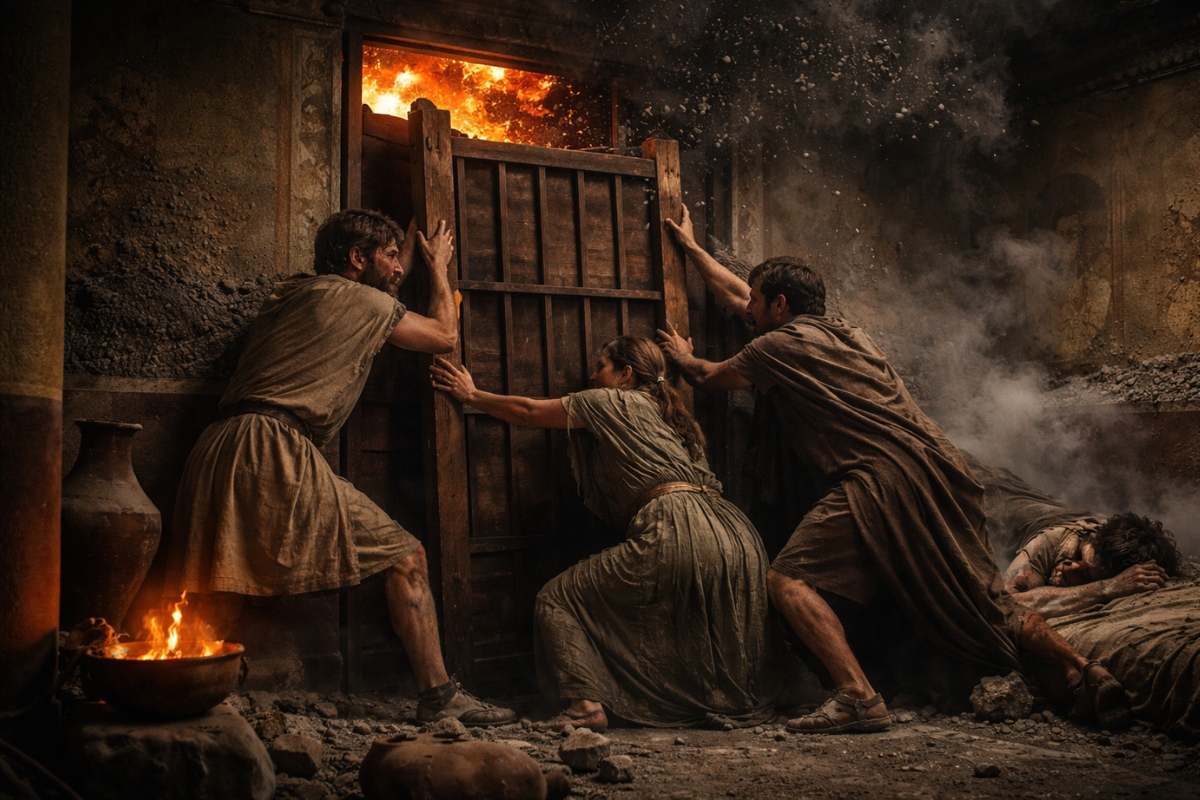

A new excavation on Via del Vesuvio revealed an isolated room, preserved objects, and clear signs of a desperate attempt at survival, helping archaeologists to more accurately reconstruct the final hours of Pompeii.
A bed pushed against the door, a closed room, and the scene of a family that did not survive. The new discovery in Pompeii opened one of the most human images ever found in the excavations of the city destroyed by Vesuvius.
The archaeologists identified at least four people, including a child, inside a house on Via del Vesuvio. The setting shows a desperate attempt to block the entry of ash and gain a few minutes in the face of the eruption.
The impact of the find lies in what it preserved. It was not just human remains, but a gesture of protection, fear, and urgency that has lasted nearly 2 thousand years.
-
How to Prevent Brown Recluse Spider Bites: Common Hiding Spots and Free Tips to Reduce Risks

-
Natto: The Unusual Japanese Superfood Gaining Popularity on Social Media and Driving Record Exports
-
Brazilian Mayor Goes Undercover as Homeless for 24 Hours to Assess Public Services

-
15-Year-Old Entrepreneur Malu Lira Publishes 20 Children’s Books on Financial Education, Earns $500,000, and Expands Her Project to the Amazon Rainforest




A room became a barrier in the final attempt

The most striking scene of the excavation appears right at the entrance of the room. A bed was pushed against the door to serve as an improvised blockade while the house was overtaken by the material ejected by the volcano.
This detail amplifies the significance of the discovery. Instead of merely indicating where the victims died, the room shows how they tried to react when they realized that danger was already inside the residence.
Among the dead, there was a child
The remains found point to four people, including a child, which enhanced the human dimension of the case. The find gained even more strength because the group was gathered in the same space at the critical moment.
Objects recovered at the site also help to piece together the scene. Among them was a bronze amulet, a charm linked to childhood in ancient Rome, as well as containers and household items preserved in the environment.
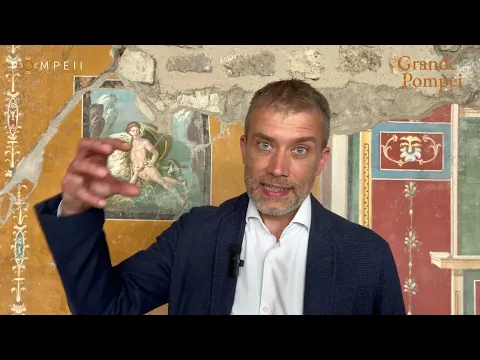

The discovery of 2025 exposed an extreme refuge
The excavation at Via del Vesuvio showed that the group tried to protect themselves in a small room when the house was already being overtaken by the advance of the disaster. The bed placed against the door became the clearest sign of this desperate reaction.
According to the Parco Archeologico di Pompei, the Italian institution responsible for the preservation and research of the site, archaeologists found at least four individuals inside the house and identified clear signs of a collective attempt to survive in the final moments of the tragedy.
The house was under renovation when the eruption advanced
Another concrete detail caught attention during the excavation. The residence was under renovation when the eruption hit Pompeii, which helps explain the disorganization of the space and the difficulty of reaction in the face of the disaster.
The first volcanic fragments entered through the upper opening of the house, designed for lighting and ventilation. As a result, the shelter ceased to be safe very early on, and the attempt to protect with the bed became the last possible resort.
Via del Vesuvio preserved more than ruins
The find occurred at Via del Vesuvio and was associated with the so-called Casa di Elle e Frisso, a property that had already been attracting attention for its decorative elements and the context of the recent excavation.
Now, however, the site has come to represent something greater. The discovery preserved an almost intact sequence of fear, improvisation, and death, transforming the house into one of the most striking scenes ever revealed in Pompeii.
The strength of this discovery lies less in the number of victims and more in the gesture that was etched in time. The bed at the door transformed an ancient tragedy into an immediate, intimate, and brutal image.
Therefore, the find transcends the field of archaeology. It brings Pompeii closer to the human scale and shows how fear, haste, and the attempt to survive still resonate with the present, changing the historical reading of the city.