





 Portuguese
  English
  Spanish
  5 min of reading
  0 comments


Excavations in the heart of Rome have revealed tombs from the time of the Roman Republic that have remained almost intact to this day, with bodies accompanied by ceramic pots, personal objects, and even food and animal offerings left for the deceased to continue their journey in the afterlife, a rare find in a city overturned by construction for more than two thousand years.
The rarity lies precisely in the intact. Rome is perhaps the most excavated and reconstructed city on the planet, layer upon layer of work since Antiquity, and therefore almost every ancient burial has already been disturbed, looted, or destroyed centuries ago. Finding tombs with offerings in place, as they were left, is like opening a time capsule that miraculously escaped the pickaxe of all previous generations.
I confess that this type of discovery captivates me more than a treasure of gold. It’s not the material value, it’s the chance to glimpse the intimate gesture of ordinary people who lived two millennia ago, caring for their dead with the same tenderness that we recognize effortlessly.
What the Romans placed beside the dead
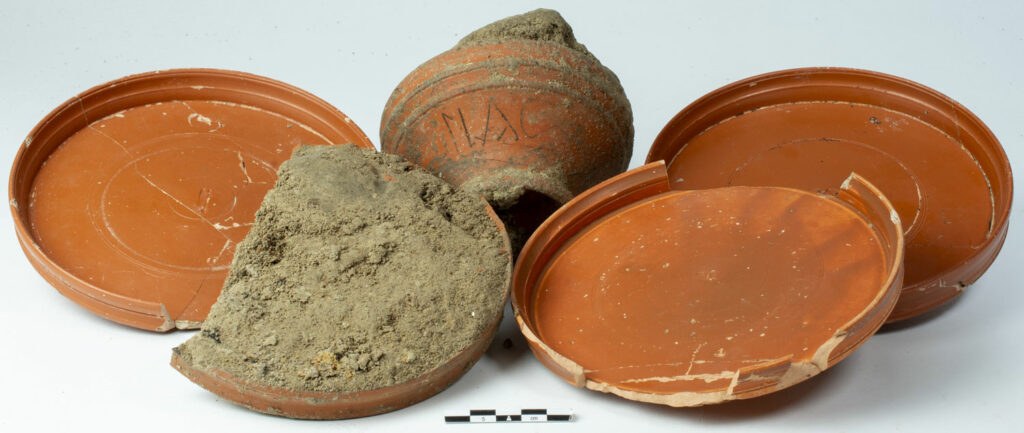
The objects found tell a story without needing a written word. There were pots and jars of ceramics, probably with food and drink for the journey; personal items that belonged to the deceased; and animal offerings, part of a ritual where burial was not an end, but a passage that required provisions. For the Romans of that period, leaving the dead without the necessary was to condemn them to wander incomplete.
-
Supermarket in Bahia faces administrative proceedings after grinding meat at night to sell the next day, raising an alert about the “Ground Meat Law”

-
Between 1 and 2 million people live in vehicles in the United States according to estimates, and a Brazilian spent a day testing how they bathe, eat, and sleep given the high cost of rent.

-
End of stickers on bottles? Coca-Cola recalls bottles from markets after consumers tear off labels to steal World Cup stickers, turning promotion into a national retail problem.
-
Single wives in the “Little Italy” of Africa live decades without their husbands and support entire families after frustrated promises of migration to Europe.





This custom of burying with offerings is one of the most direct bridges we have with ancient mentality. It reveals what those people valued, what they ate, what utensils they used daily, and how they imagined life after death. A single well-preserved pot, with food residue at the bottom, is worth more to the archaeologist than pages of text because it shows the practice, not just the idea.
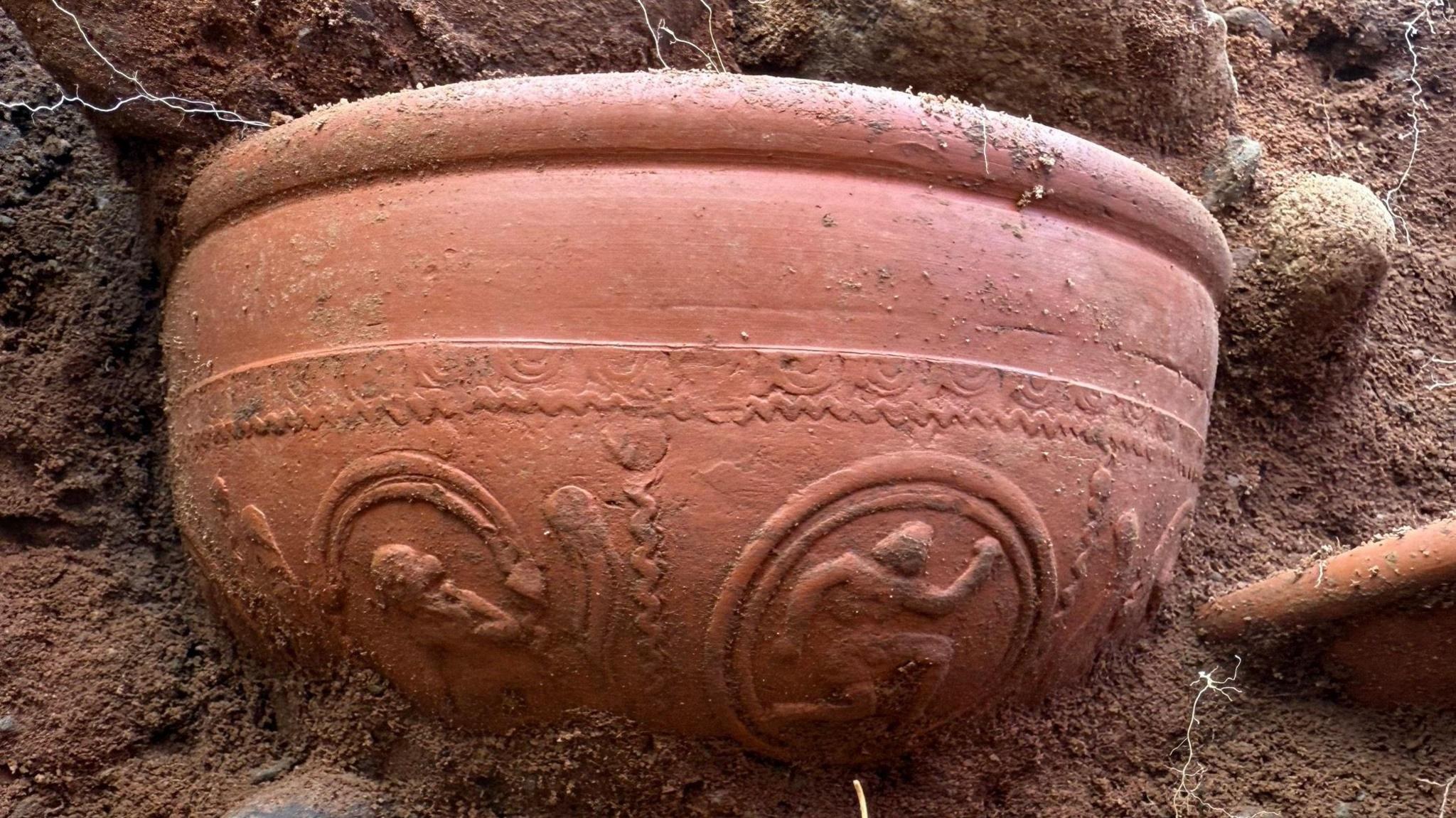
The ceramics themselves function as a fingerprint of time. By the shape, decoration, and manufacturing technique, specialists can date with good precision to which period each piece belongs and, with that, place the tomb in the timeline of Roman history. It’s a patient detective work, where each shard tells a date.
Why finding this in Rome is almost a miracle
Digging in Rome is entering an archaeological lasagna. Every subway work, every building foundation, every pipe repair bumps into ruins from some century. This is a blessing and a curse: it guarantees constant discoveries, but it also means that much of what existed has already been crossed, displaced, or ruined by later interventions over two thousand years.
That’s why the word intact carries so much weight here. Tombs that survived without being looted, with offerings exactly where they were placed, are an unlikely gift from urban geology, land that protected that corner while everything around was overturned. When they appear, archaeologists work with extra care, documenting each object before moving anything, because the position says as much as the piece.
What science can read in an ancient body
Modern archaeology has gone far beyond cataloging pots and coins. Today, the analysis of human remains from a burial reveals things that no text recorded: the approximate age, sex, diseases the person had, marks of hard work on the bones, and even the region where they grew up, read in the chemistry of the teeth. A single well-preserved skeleton is a biographical dossier waiting to be deciphered.
It is possible, for example, to discover what that person ate throughout their life by analyzing elements fixed in the bones, distinguishing a diet rich in fish from one based on grain. It can be determined if they migrated, if they went hungry in childhood, if they died young or old. By crossing these data from various tombs, a portrait of an entire community is assembled, from life expectancy to inequality between the rich and poor of the time.
That’s why the original position of each object and each bone is treated as sacred by researchers. Moving a piece before documenting destroys information that cannot be recovered. The slow work of brushing and labeling, which may seem excessive to outsiders, is what transforms a pile of shards into a story that can be told with certainty. In archaeology, haste is synonymous with loss.
A portrait of life, not just death
It may sound strange, but a well-preserved burial is one of the best windows into the life of an era. It shows the diet through food offerings, the economy through objects, beliefs through ritual, and even the health of people through the study of remains. Death, paradoxically, holds the most honest record of how those people really lived, far from the propaganda of official monuments.
Rome has already given us emperors, the coliseum, and triumphal arches in abundance. What these modest tombs offer is different and, in a way, more moving: the everyday life of people who did not become statues, but whose choices at the moment of farewell survived intact for two millennia to be read now.
I imagine the hand that placed that pot beside the beloved body, with no idea that, twenty centuries later, someone would lift that same object to the light again and try to understand who they were. There are few more delicate ways to touch the past than this, and that’s why archaeology, at its core, is always an exercise in empathy through time.
If two thousand years from now someone opened a time capsule from our era, which everyday object do you think would best tell how we lived?


Be the first to react!