Portuguese
  Spanish


With the help of AI, archaeologists reconstruct the face of a victim who used a bowl as a helmet to escape the volcano in Pompeii. See the image.
A technological collaboration between the Pompeii Archaeological Park and the University of Padua has brought to light the human face of one of the greatest tragedies of antiquity.
Through a prototype that uses AI systems, researchers digitally recreated the visage of a victim who tried to escape the eruption of Mount Vesuvius in 79 AD.
The project, unveiled in April 2026, focuses on a man whose remains revealed a desperate attempt at individual protection, transforming cold scientific data into a realistic and moving image of a Roman citizen.
-
Australia deploys poisoned sausages and uses traps, shooting, and fences in a battle against invasive cats that kill over 1.5 billion native animals annually, threatening more than 200 species.

-
NASA Rover Captures “Tired Face” on Mars, Highlighting Human Brain’s Tendency to See Faces in Rock Formations

-
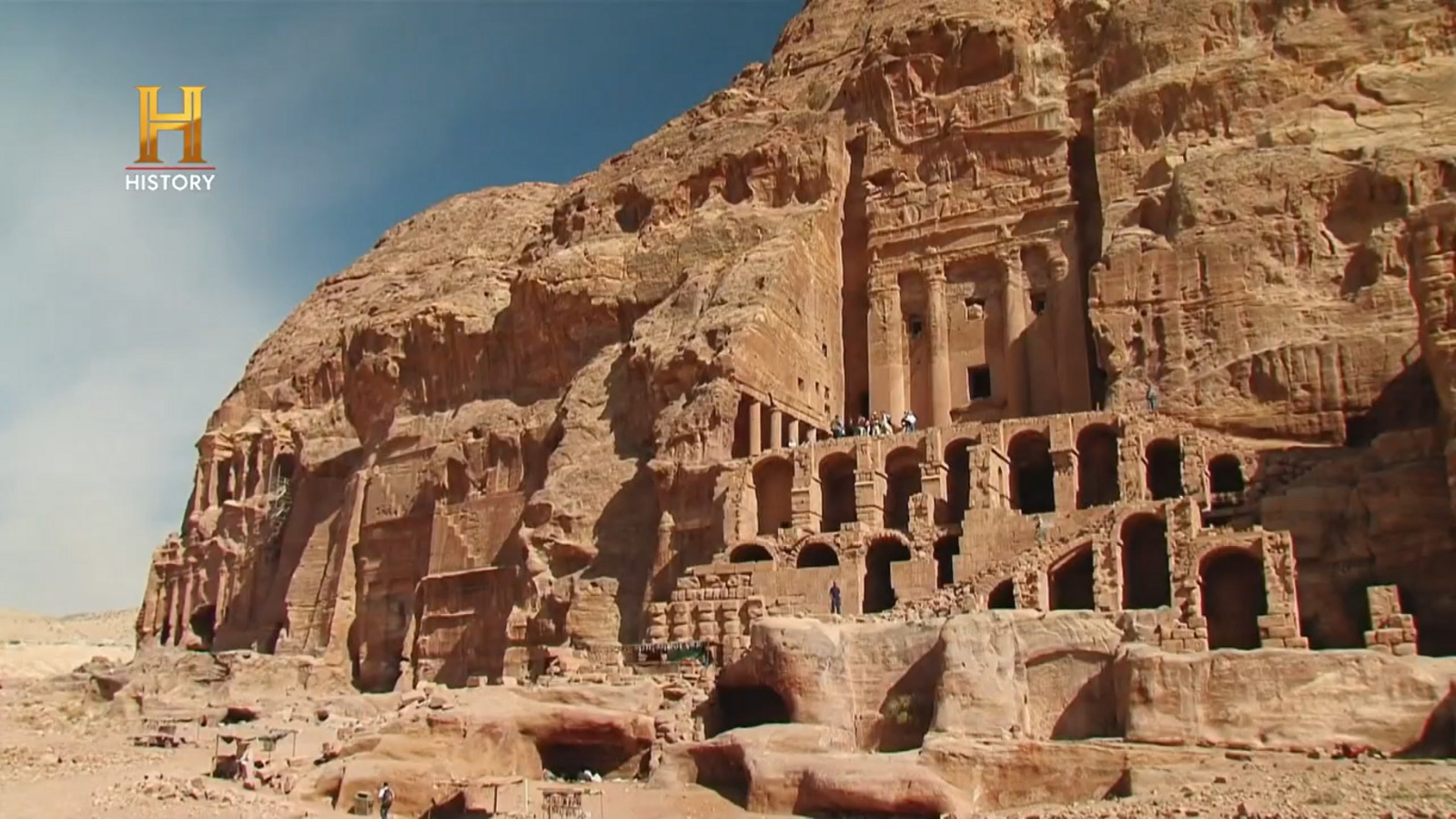
Ancient Stone City in the Desert, Once Home to 30,000, Puzzles Scientists with Nabateans’ Water Mastery 2,000 Years Ago

-
Ancient Creature Thought Extinct Since Dinosaur Era Reappears, Baffling Scientists



The “mortar man”
Unlike other discoveries, the belongings found with this specific victim in the Porta Stabia necropolis tell a story of improvisation in the face of chaos.
The analysis conducted by archaeologists indicated that the individual was not just fleeing but actively seeking ways to resist the debris hurled by the volcano.
The digital reconstruction allowed for the identification of crucial elements about his final moments:
- Improvised helmet: The man held a terracotta mortar (a heavy bowl) over his head to protect himself from the lapilli, the volcanic stones falling from the sky.
- Escape equipment: He carried a lucerna (ceramic lamp) to try to see through the dense darkness caused by the ashes.
- Possession of valuables: Alongside the body, ten bronze coins were found, suggesting the intention to finance a new life after the disaster.
- Fatal timeline: The death occurred in the early hours of the second day of the eruption, while the man was trying to reach the coast.
AI technology renews archaeological studies in Pompeii
The use of artificial intelligence in this project represents a paradigm shift for Italian archaeology. According to Gabriel Zuchtriegel, the park’s director, the tool allows for a more accessible and immersive illustration of the ancient world.
Through advanced software and photo retouching techniques, the Digital Cultural Heritage Laboratory processed information collected in recent excavations to give volume and human features to the bones.

Moreover, the image generated by AI validates classical historical accounts. Pliny the Younger described in his letters that survivors tied pillows and other objects to their heads to defend themselves from the debris.
Therefore, the scene of the man with the mortar visually confirms that the residents of Pompeii used household utensils as a last line of defense against nature’s fury.
Archaeology, tourism, and the new digital era
The preservation of Pompeii under the ashes has allowed it to become one of the most visited archaeological sites on the planet, receiving about 4.3 million tourists in 2024.
The introduction of AI-based facial reconstructions promises to transform the experience of these visitors, offering a real face to the life stories that were abruptly interrupted.
While traditional technical reports document the discoveries, forensic technology and AI rescue the identity of those who were silenced.
With information from Olhar Digital