Portuguese
  Spanish


Project in Arkansas aims to transform 50 acres into a community with up to 400 microhouses, health services, and income generation to restore stability to homeless people.
In the southwest of the state of Arkansas, a 50-acre plot is being transformed into something its creators hope will change the lives of hundreds of people. Instead of a temporary shelter or an emergency solution, Providence Park was conceived as a permanent community made up of microhouses, health services, job opportunities, and shared spaces for people living in chronic homelessness.
According to the Pulaski County government, the project was inspired by the Community First! Village in Austin, Texas, and aims to create a planned neighborhood for those who have spent at least a year without stable housing. The proposal goes beyond offering a roof: the idea is to build a community capable of restoring stability, security, and belonging to the residents.
Inspired by a project that helped thousands of people, Arkansas decided to invest in an entire community of microhouses
The origin of Providence Park is directly linked to the success of the Community First! Village in Austin. After visiting the Texan project, Pulaski County authorities began to study how to adapt the model for Arkansas.
-
61-Year-Old Brazilian Retiree Produces His Own Cooking Gas from Cow Manure, Goes a Year Without Buying a Cylinder, and Sells Surplus Biofertilizer

-
Ghana to Launch Public Library Offering Over 100 Air Quality Sensors for Community Use, with Plans to Expand Across West Africa

-
Desalination Program Transforms Brackish Water into Drinking Water in Brazil’s Semi-Arid Region, Benefiting 26,000 Residents with $2 Million Investment
-
Man Attempts to Measure Brazilian Sinkhole with Fishing Line, Loses Camera, Captures Mysterious Footage, Rekindling Debate on Hidden Underground Labyrinths



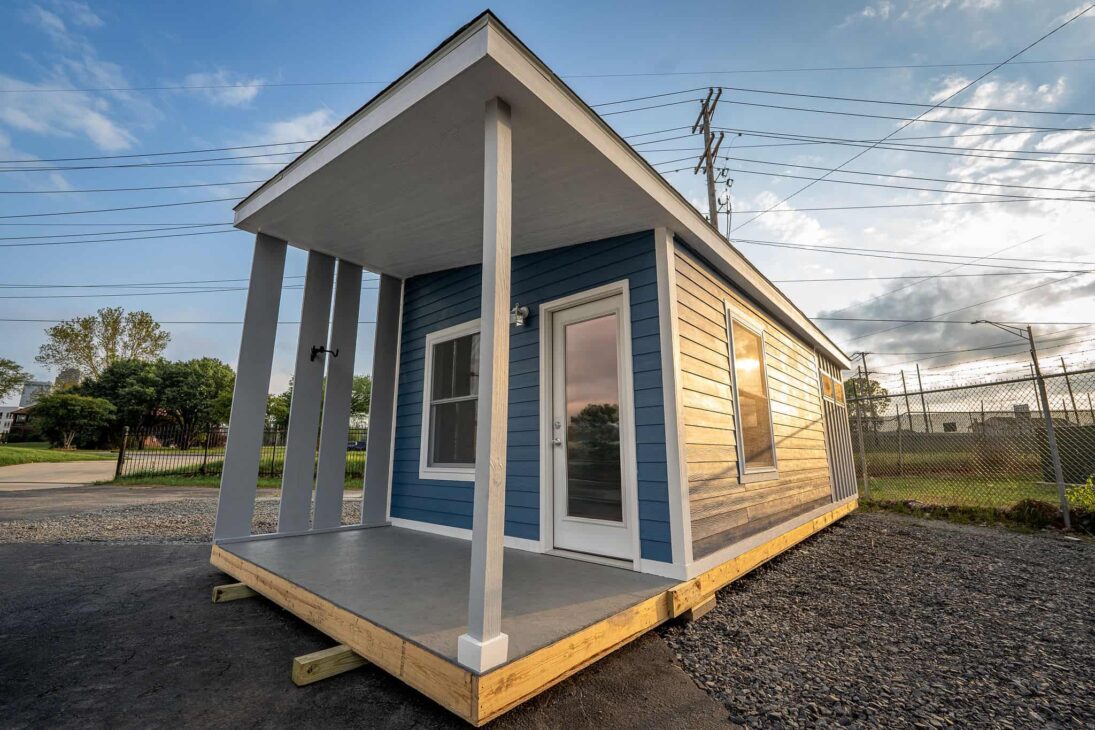
According to the county government, the development will consist of environmentally efficient microcottages and tiny homes, forming a planned neighborhood for people in chronic homelessness. The concept is based on the idea that merely providing housing does not solve the housing problem alone. It is necessary to create a support and coexistence network that allows residents to rebuild their lives.
According to the Providence Park organization, the goal is to offer permanent housing, continuous support, and economic opportunities within the community itself, reducing dependence on emergency shelters and temporary programs.
Project foresees up to 400 microhouses and a structure that functions like a small city
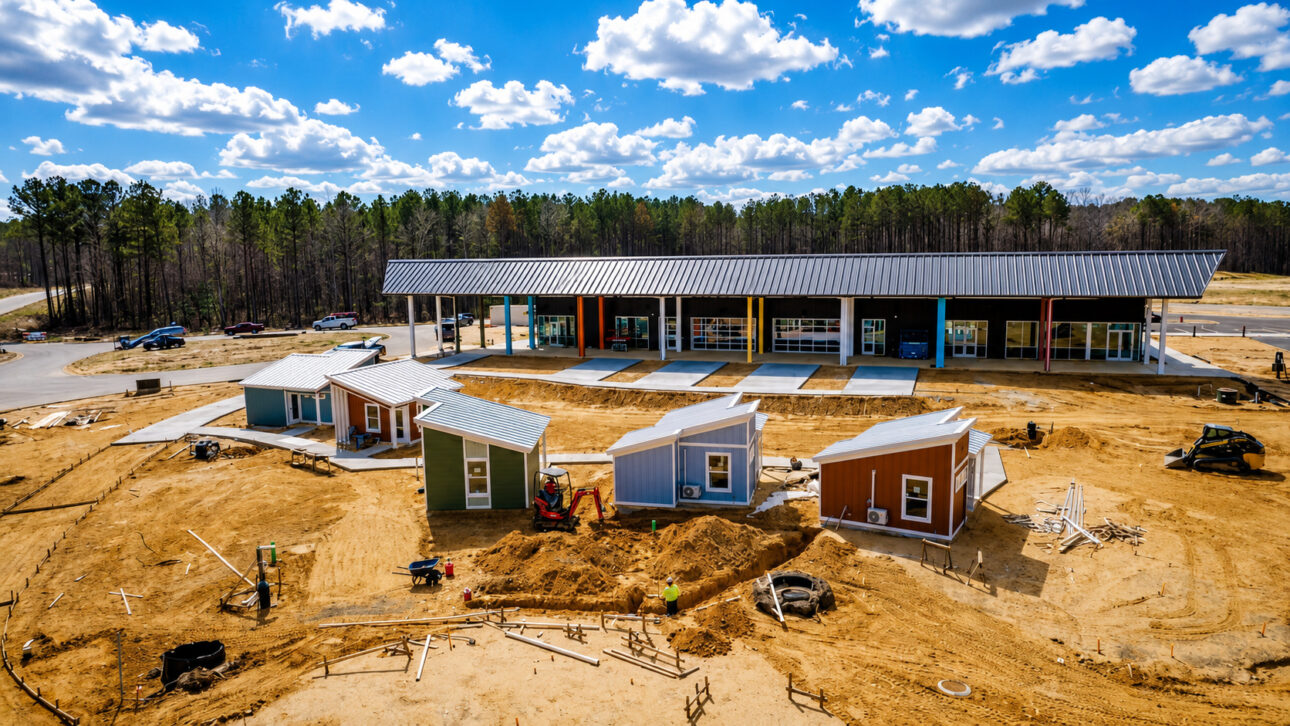
The size of the project draws attention. Providence Park will occupy an area of 50 acres and is expected to reach 400 micro-houses when fully completed. The initial investment was estimated at US$ 5 million, according to local authorities.
But the houses represent only part of the plan. According to Pulaski County, the community is expected to include a health clinic, community kitchen, laundry, entrepreneurship center, internal market, and other services aimed at helping residents rebuild their financial and social independence.
The proposal is for residents to have access to essential services without constantly relying on travel to other areas of the city.
Health, psychological care, and income opportunities are part of the model
One of the most important features of Providence Park is that it was not designed just as a housing complex. According to the organization responsible for the project, residents will have access to medical, psychological, and dental services within the community. Additionally, the plan includes programs focused on professional development, training, and income generation.
According to Providence Park, the structure also includes community work programs, agricultural activities, gardens, spaces for micro-entrepreneurs, and areas dedicated to artistic and creative projects. The intention is to create an environment where residents can develop skills and generate income in a dignified manner.
According to those responsible for the initiative, the focus is not just on taking people off the streets but helping them build a sustainable path for the future.
Who can live in the village and how the selection of residents will work
Providence Park will not be open to any candidate. According to the Pulaski County government, the target audience is people classified as “chronically homeless,” a term used in the United States for individuals who remain homeless for long periods and often face additional problems related to health, employment, or social stability.
Candidates will have to go through an application and evaluation process before being accepted. According to local authorities, residents will also have opportunities to earn income within the community itself, contributing to the payment of affordable rent and maintaining financial independence over time.
The project has already started to take shape and the first residents have begun to arrive
After years of planning and development, Providence Park officially entered its implementation phase. The ceremony marking the start of construction took place in May 2024. Two years later, in May 2026, the community was officially inaugurated and began welcoming the first residents into its housing units. The organizers expect the project to continue expanding gradually over the coming years until it reaches its full capacity of about 400 residences.
According to the initiative’s CEO, Errin Stanger, the goal is to create an environment where people who have spent years without stability can find support, resources, and a community capable of helping them rebuild their lives.
An attempt to replace the cycle of the streets with a permanent community
While many cities continue to invest primarily in temporary shelters, Providence Park bets on a different strategy: creating an entire neighborhood aimed at people who have lost almost everything.
With hundreds of planned micro-homes, health services, income opportunities, and ongoing support, the project attempts to address not only the lack of housing but also the isolation and lack of prospects that often accompany chronic homelessness.
If initiatives like this can show consistent results in the coming years, they may influence how other cities tackle one of today’s most complex social challenges.