Portuguese
  Spanish



Fuel Prices Pressure The Federal Government And The Chamber Of Deputies To Seek Solutions
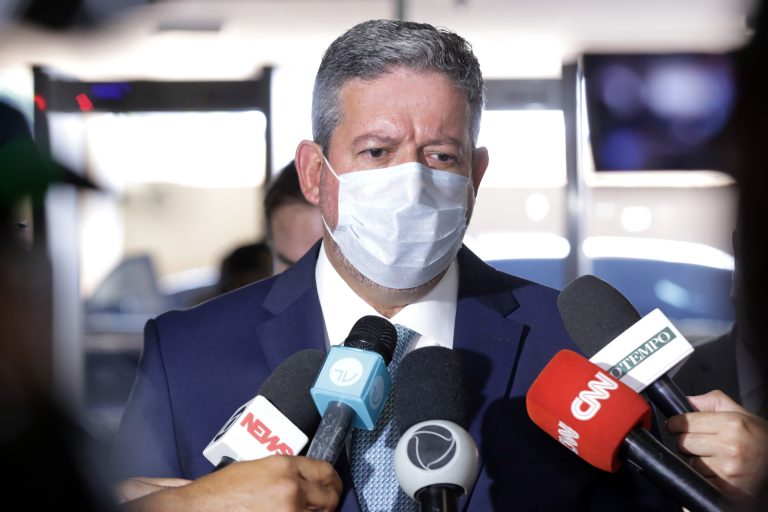
The rise in fuel prices does not only affect the Federal Government. With record increases in gasoline and diesel prices, the Chamber of Deputies, through President Arthur Lira, is working to find alternatives to reduce fuel prices.
On Wednesday, the 29th, party leaders were summoned by Arthur Lira (PP) to discuss alternatives that could reduce fuel prices.
The President of the Chamber has already used social media to criticize Petrobras’ current fuel pricing policy: “The fact is that Brazil cannot tolerate gasoline at almost R$ 7 and gas at R$ 120,” Arthur Lira published, referring to the high prices that Brazilians are currently paying.
-
Qantas and Airbus Invest in Company Aiming to Convert Unsorted Household Trash into Jet Fuel

-
Brazil’s ANP Opens 86 New Oil Blocks in the Equatorial Margin, Expanding the Amazon River Mouth Frontier

-
OPEC+ Boosts Oil Supply by 188,000 Barrels per Day in July 2026, Leading to Price Drop from $112 to $89 per Barrel in Under Two Months

-
TotalEnergies Signs 20-Year Deal to Purchase 2 Million Tons of LNG from Alaska, Boosting Project Viability

“The director of Petrobras, Cláudio Mastella, says that he is ‘lovingly’ studying a price increase given this scenario. I am sure he is well-paid to seek other solutions that are not just frequent price hikes,” concluded the President of the Chamber.
Arthur Lira Seeks Change In ICMS
Arthur Lira stated that the National Congress should put on the agenda the bill aimed at changing the incidence of the Tax on Circulation of Goods and Services (ICMS) on fuels. The bill provides for the adoption of a fixed price per liter of fuel, moving away from charging a rate based on the average price.
The President Jair Bolsonaro also criticized gasoline prices on Monday, the 27th. The President did not directly criticize Petrobras; however, he guaranteed that he is working to seek a reduction in prices.

To Correio Braziliense, Lauro Chaves Neto, federal economic counselor, stated that the debate goes far beyond the increase or reduction of fuel prices in the economy. For him, the state-owned company should play a stabilizing role in the economy.
“The government is the majority shareholder of the company. It should contribute to stabilizing the economy and reducing inflationary pressure and inequalities,” he said.