






 Portuguese
  Spanish
  2 min of reading


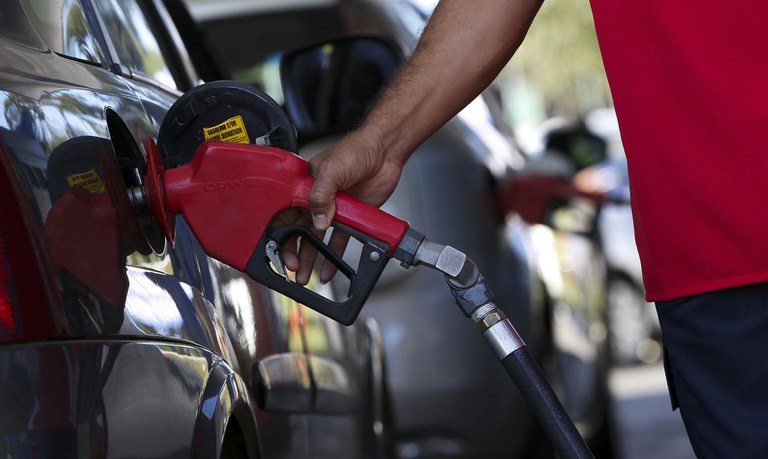
Marcelo Araújo, Chairman of the IBP, Brazilian Institute of Oil and Gas, Discussed Fuel Prices
Rarely in history has the topic of fuel prices been so prominent in Brazil. With massive increases in the past year, fuel has increasingly affected workers’ incomes and slowed the growth of some sectors of the economy.
For Marcelo Araújo, Chairman of Ipiranga and the Board of the Brazilian Institute of Oil and Gas (IBP), it is very understandable that the topic has gained the country’s political agenda: “What greatly affects society ends up being a political topic,” he said to Estadão/Broadcast.
What Explains the Rise in Fuel Prices
The rise in fuel prices has many explanations. According to Marcelo Araújo, conjunctural issues are affecting fuel prices: “The conjunctural factors are the exchange rate and high commodity prices, which also pressure biofuels.” He stated.
-
IEA reduces forecast for global oil demand in 2026 after impacts of the Middle East crisis

-
Bank of Japan raises interest rates to 1%, reaching the highest level in over three decades

-
ANP halts LPG reform, and Sindigás sees technical caution as a decisive point for safety, investments, and the future of the cylinder in Brazil.
-
Oil spill in the Caribbean raises environmental alert and increases tension between Venezuela and Trinidad and Tobago




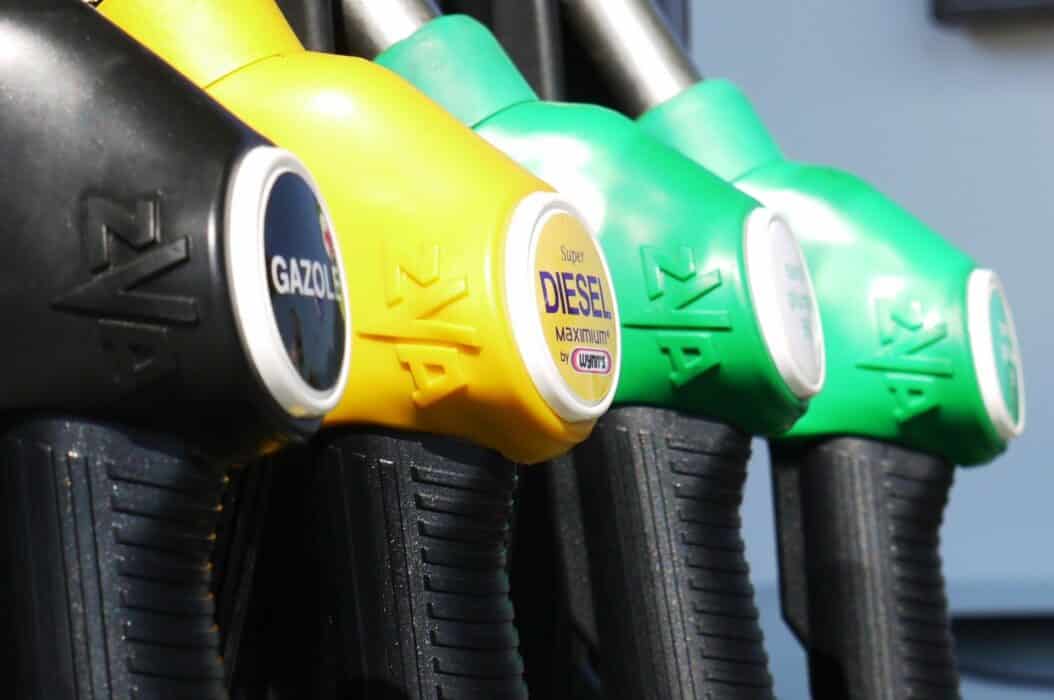
The Chairman of the Board of the Brazilian Institute of Oil and Gas also addressed what needs to be done to reduce fuel prices in Brazil. He believes that the main factor that would help reduce fuel prices is the reduction of taxes.
“The first obstacle is the taxation. We have the most complex fuel taxation system in the world. The ICMS is even more complex, as it follows specific state legislations and is calculated based on a percentage of the sale price to the consumer.” He stated.
Simplifying the ICMS collection would only be one of the changes that would lead to a reduction in fuel prices. Marcelo Araújo emphasized that these changes are essential for reducing the prices that Brazilians pay for fuel.






Be the first to react!