






 Portuguese
  Spanish



Recent Agreements Closed and New Projects for Brazilian Shipbuilding Open Up a New Range of Opportunities That Have Transcended the Speculation Phase and Are Now Concrete Facts
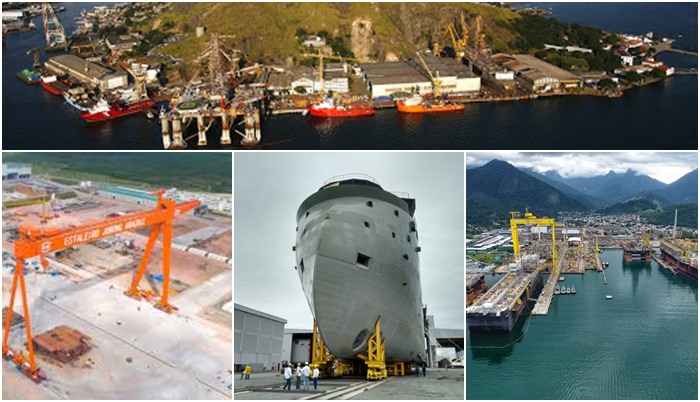
New horizons for Brazil’s shipbuilding industry. Several closed and latent projects with great potential for generating thousands of jobs and, above all, showing the highest authorities in our country that this industry also deserves attention and more investments. Our former partner, Renato Oliveira, who recently found a professional position in this area, exemplifies below in more detail:
- Many URGENT job openings in Macaé have been announced by the recruitment company ICM Brasil
- Oil and gas exploration, mining, and electricity generation on indigenous lands are authorized by the government
- 18,000 workers join the strike and TST blocks union accounts and authorizes Petrobras to hire subcontractors
Good News for Brazilian Shipbuilding!
1) The contract between the Brazilian Navy and the Águas Azuis consortium for the construction of 4 frigates at the Oceana shipyard in Itajaí (SC) is scheduled to be signed on March 4 of this year.
The project is worth US$ 1.6 billion (R$ 6.4 billion) and more than two thousand new direct jobs and six thousand indirect jobs will be created over the 8 to 10 years of construction.2) The Brasfels shipyard (RJ), after spending November and December testing welders, torchmen, grinders, etc., started February with daily recruitment calls for hiring. It is worth noting that after much negotiation, Petrobras confirmed demand for 4 of the 28 rigs contracted and canceled by Sete Brasil.
ARTICLE CONTINUES BELOWSee also
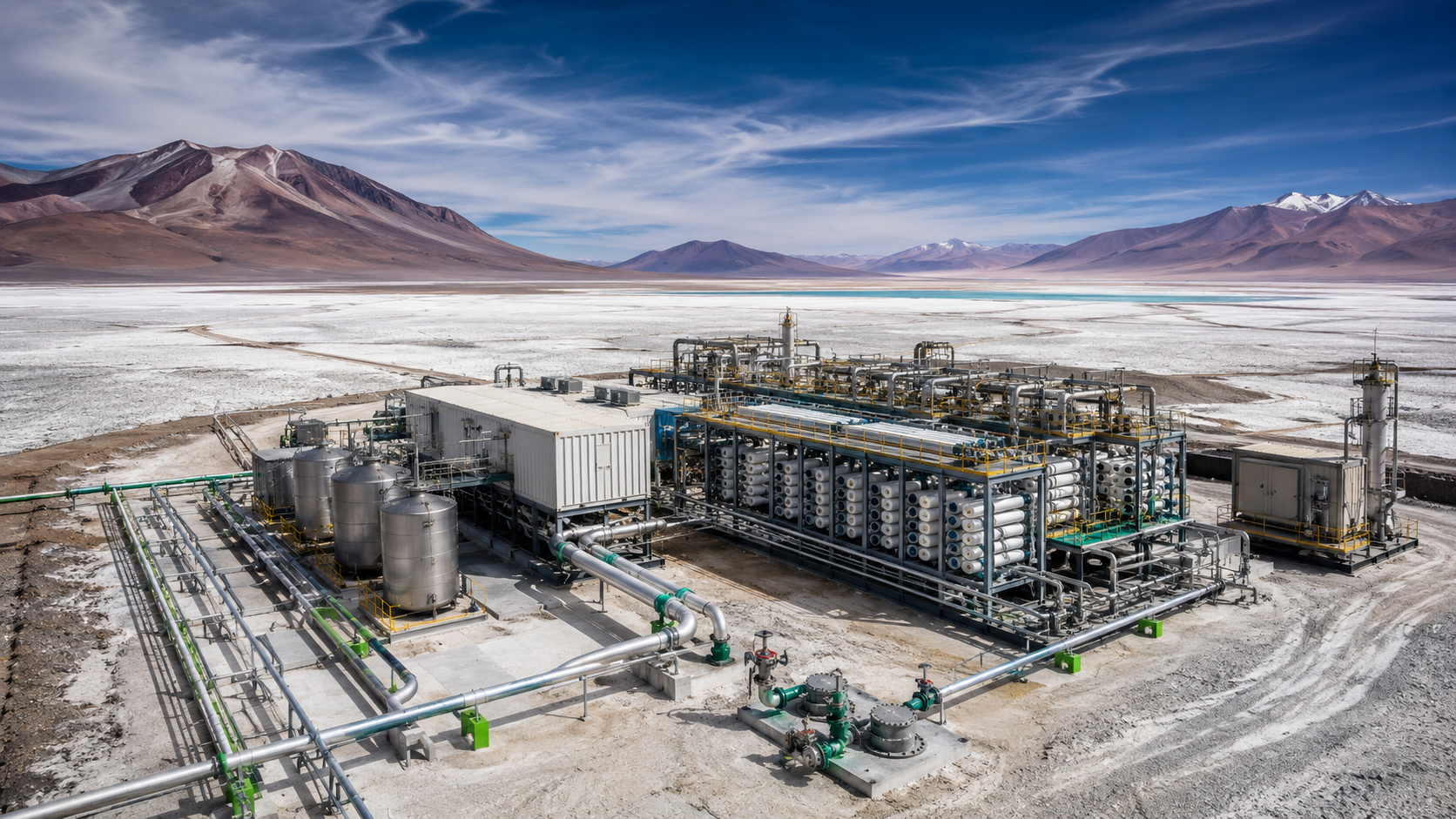
Eni Acquires 25% Stake in Chilean Lithium Project, Plans to Invest Up to $225 Million in Eco-Friendly Extraction Method

French Brand Transforms 6 Million Brazilian PET Bottles into Sustainable Sneakers for Global Fashion Market
Abandoned Factory in Rio’s North Zone Becomes Urban Hazard with Standing Water and Debris

The U.S. Navy Conducts Submarine Tests in Idaho Lake to Detect Underwater Noises Hidden by the Ocean
3) The Jurong shipyard (ES) will continue with two other rigs from the same contract and, along with the integration of the FPSO P71 coming from China, is also expected to generate jobs in 2020.
With the increase in offshore activity, maintenance work and modifications on support vessels, which had been idle for years awaiting contracts, are now underway. Last month, the Mauá shipyard in Niterói completed the modification of the PLSV Skandi Vitória from TechnipFMC to fulfill a contract in Africa. 300 direct jobs were created in the works.
Full steam ahead and never give up!


In your opinion, what could be done for our shipbuilding industry to return with more strength? If you want to read an opinion with more details and depth, check out an interesting article here?







