Portuguese
  Spanish




Partnerships Between The Public And Private Sectors Revolutionize The Management And Quality Of Brazilian Highways.
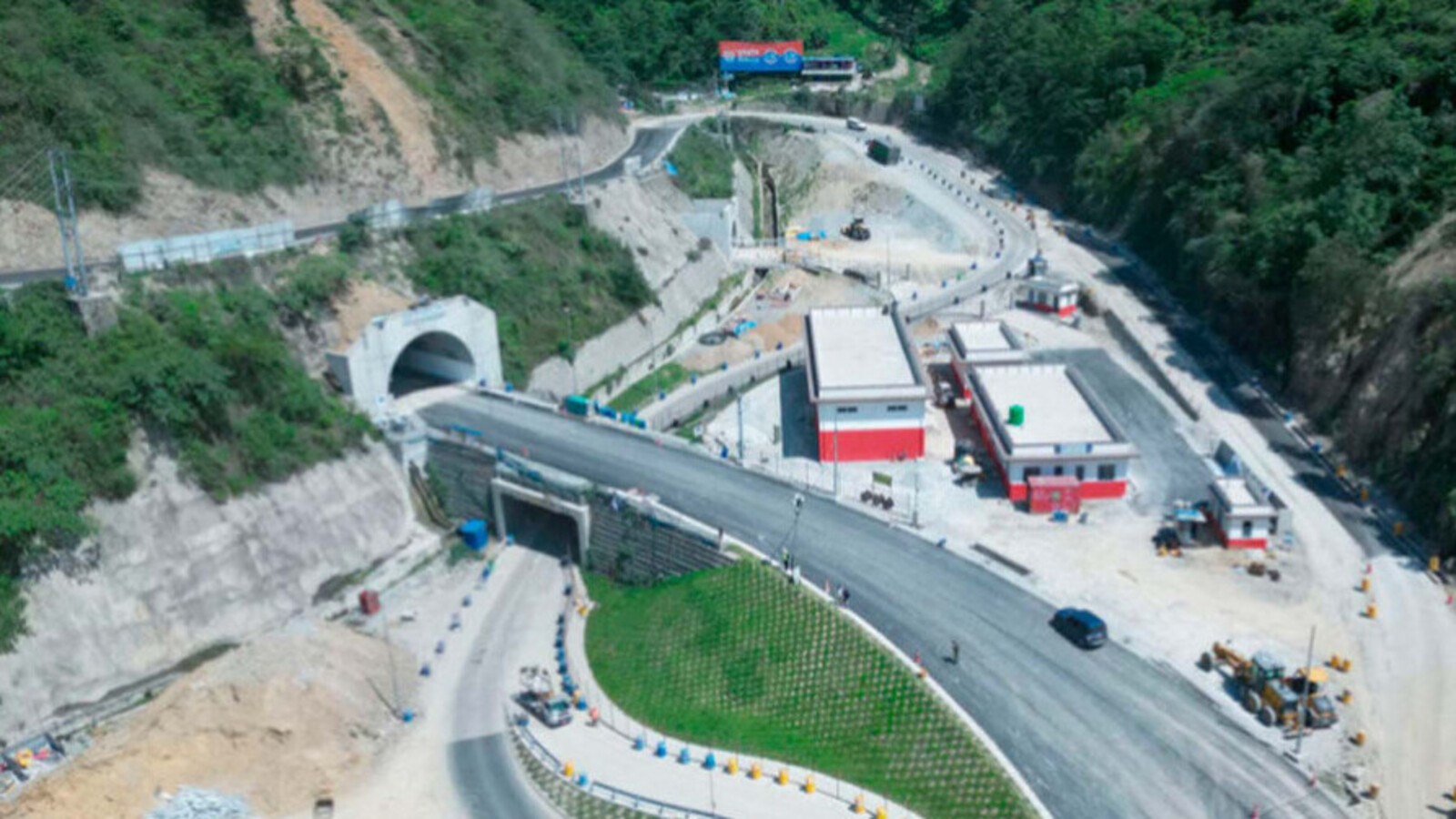
In times of increasing partnership between the public and private sectors, highway concessions emerge as a strategic solution. With this model, the government hands over the administration and maintenance of highways to private companies for a determined period.
Highway Concessions Demystified In practice, the State manages to ease its expenditures, as operational and maintenance costs fall to the concessionaire. In exchange, this company sets toll rates, ensuring a return on investment. During this period, the government acts as an active observer, ensuring that the concessionaire meets the established standards and goals.
In Brazil, these partnerships emerged in 1998, driven by the need to improve the management and maintenance of highways. João Fornari, co-founder of Kartado, emphasizes: “With the highway concessions, we witness significant improvements in safety, user service, and the quality of the roads themselves.”
-
As Brazil Expands Social Welfare, Survey Reveals 40% Blame Poverty on Laziness, While 58% Cite Lack of Opportunities

-
China Tightens Control on Antimony, Driving Prices from $22,000 to Nearly $40,000 per Ton as U.S. Rushes to Bolster Strategic Reserves

-
BlackRock Freezes $1 Billion in Brazilian Renewable Energy, Impacting 1.5 GW of Planned Projects and Highlighting Investor Concerns Over Infrastructure Bottlenecks Cutting Up to 25% of Solar and Wind Generation
-
Labor Shortage: Despite Record Average Salary, 90% of Brazilian Bar and Restaurant Owners Struggle to Hire Key Roles Like Sushi Chefs and Head Cooks


The Results In Numbers The CNT (National Transportation Confederation) highlights that, of the 25 best highways in Brazil, 22 are managed by concessionaires. This reinforces the positive impact of this strategy. “Concession contracts last, on average, 30 years, ensuring long-term investments and prolonged management of road assets,” comments João.
Benefits That Drive The Country
- Improvement of Road Infrastructure: In addition to meeting contractual requirements, the concessionaire seeks to maximize its profitability, ensuring well-maintained highways.
- Job Creation: The concession process generates direct and indirect jobs, from technical to operational positions.
- Regional Development: Well-maintained highways attract investments, boosting local commerce, industry, and tourism.
- Smoother Traffic Flow: Effective management includes strategies to minimize congestion, either by expanding roads or implementing advanced technologies.
- Increased Road Safety: The guarantee of well-maintained highways, with signage, lighting, and emergency assistance, is essential.
- Logistics Impact: Efficient and economical transportation of goods benefits both companies and consumers, making the logistics system robust.
At the end of the contract, all improvements made are reintegrated into the public asset. The great triumph of highway concessions lies in promoting infrastructure improvements with tangible benefits, without overloading the state coffers.
About Kartado: An initiative by Pedro Henrique Fornari and colleagues, Kartado is a reference in technological solutions for infrastructure management. Since 2017, it has supported companies in optimizing asset management, combining efficiency and economy.
Source: Daiane de Souza – Content Analyst.