






 Portuguese
  Spanish


National Technology, Recyclable Body, Reusable Battery and Compact Design: Brazilian Startup Develops Electric Microcar That Can Transform Urban Traffic, Attract Governments and Businesses and Put Brazil on the Radar of Global Clean Mobility.
Paranaense startup launches compact electric vehicle with a focus on sustainability and accessibility.
Betting on national technology and green innovation, Movi Electric can transform the landscape of urban mobility in Brazil.
The Movi Electric startup, based in Toledo, Paraná, has begun assembling electric microcars with sustainable design and a focus on urban mobility.
-
Suitcase-sized hydrogen engine spins at 25,000 rpm, nearly doubling the efficiency of conventional cars and replacing exhaust smoke with water vapor

-
1983 Chevrolet Runs Over 100,000 km Without Gasoline, Powered by Wood Chips, Reaches 125 km/h in Airport Test

-
Workshop Converts Giant Tractor Tire Tricycle into a Three-Wheel Drive Hybrid with 36,000-Watt Electric Motor Capable of Climbing Hills

-
Sales of Brazil’s Cheapest Electric Car Halted Before First Deliveries: E-Motors Suspends Emova Easy Due to Import Tax Increase and Rising Freight Costs

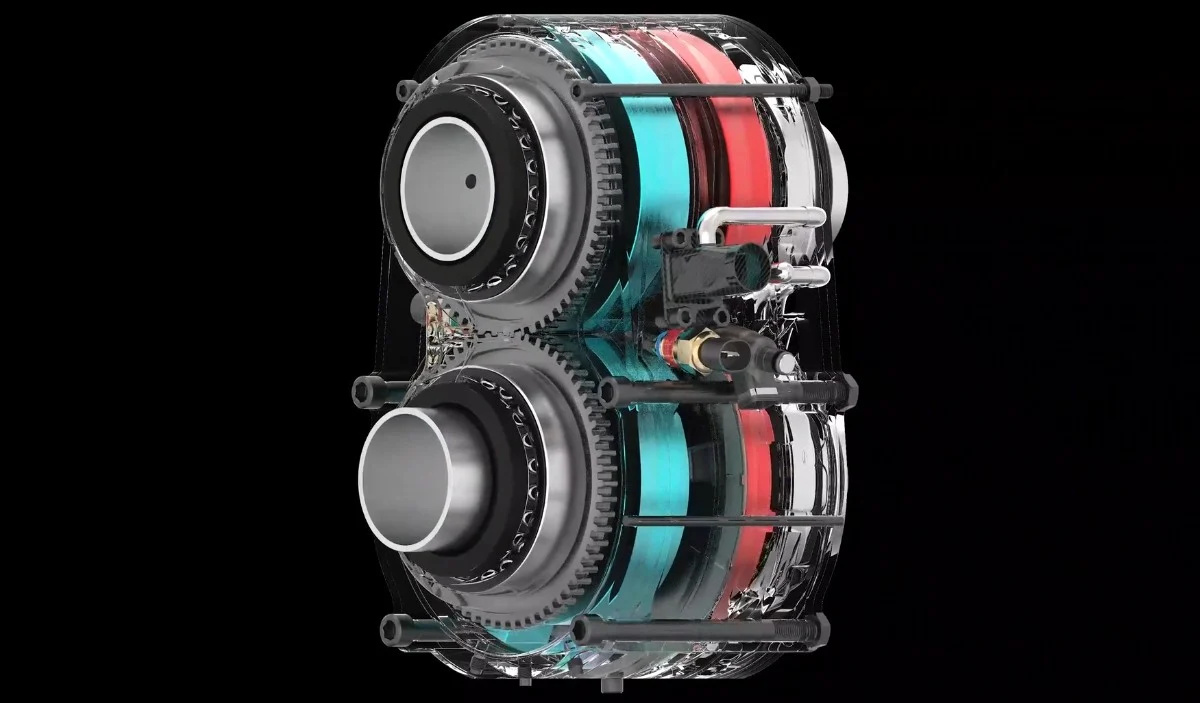



With a recyclable battery, modular structure and 100% national production, the model offers a practical and ecological alternative for traffic in Brazilian cities.
The project has already attracted interest from logistics companies, transport cooperatives and even municipalities looking to integrate clean vehicles into their fleets.
According to recent data from the Brazilian Electric Vehicle Association (ABVE), the electric car market in Brazil grew by over 70% in the last year, reinforcing the sector’s potential.
Smart Mobility with Brazilian DNA
Movi Electric emerged with the goal of creating an efficient, accessible and environmentally responsible solution for urban traffic challenges.
Located in the Toledo Technological Pole, the company developed a microvehicle with capacity for two people and a small cargo compartment.
Compact, lightweight, and with a functional design, the microcar reaches speeds of up to 60 km/h and has a range of approximately 100 km, ideal for daily commutes like home-to-work.
The model caters to both individual consumers and small entrepreneurs who need an economical and sustainable means of transportation.
The vehicle’s structure is modular, facilitating maintenance and reducing repair costs.
The body is made from recyclable materials, reinforcing the commitment to the circular economy.
Additionally, its reduced size makes it ideal for narrow streets and limited parking spaces, common in urban centers.
Recyclable Battery Is a Differential in the Sector
One of the greatest advancements incorporated into the Movi Electric microcar is the adoption of recyclable modular batteries.
In collaboration with companies specialized in lithium and precious metals recycling, the startup developed a system that allows recovering up to 80% of the battery components at the end of their useful life.
This innovation reduces environmental impact and decreases dependence on imported raw materials, promoting greater sustainability in the vehicle’s life cycle.
The car also features an energy regeneration system during braking, which increases efficiency and helps extend battery range.
This technology, common in larger electric vehicles, has been successfully adapted for the urban microcar.
According to industry experts, responsible battery management is one of the major challenges of electromobility — and Movi Electric is anticipating with effective solutions.
National Expansion and Future Plans
Initially focused on the regional market, the startup is already looking to expand its operations to other regions of Brazil.
The company is negotiating partnerships with urban transport cooperatives, mobility app operators, and public agencies.
The expectation is to expand the assembly line by 2026 and launch new models with greater autonomy and compatibility with solar energy.
According to Movi Electric, this expansion will allow adapting vehicles to different regional realities, ranging from large urban centers to medium-sized cities.
Additionally, use in public fleets could contribute to the modernization of essential services such as patrolling, supervision, and internal transportation in administrative areas.
These partnerships reinforce the role of the microcar as an agent of urban and social transformation.
Sustainability That Generates Jobs
The growth of Movi Electric also boosts the development of the so-called green industry.
In addition to helping reduce carbon emissions in urban centers, the local production of sustainable vehicles creates jobs and stimulates the regional economy.
According to ABVE, the electric mobility sector can generate up to 10,000 new jobs in Brazil by 2030, including areas such as engineering, assembly, recycling, and maintenance.
The startup’s proposal aligns with a global trend that values local, innovative, and conscious solutions.
With investments in research and development, Movi demonstrates that it is possible to combine economic viability and environmental responsibility.
Practical Solution for Brazilian Cities
The Movi microcar represents more than just a new means of transportation.
It is a direct response to urban traffic bottlenecks, atmospheric pollution, and the need to rethink space usage in cities.
With competitive pricing, low maintenance costs, and zero emissions of pollutants, the model is an intelligent solution for those seeking efficiency without harming the environment.
By reaching a diverse audience — from individual users to companies and governments — the Movi microcar positions itself as a key player in the transition to a more sustainable mobility system.
Brazil on the Map of Clean Innovation
The success of Movi Electric’s pilot project positions Brazil as a leader in electric mobility innovation.
In a sector predominantly dominated by international manufacturers, the presence of a national startup demonstrates the competitive potential of Brazilian engineering.
With a focus on sustainability, cutting-edge technology, and accessibility, Movi Electric proves that the electric revolution can — and must — have a Brazilian accent.
The expectation is that initiatives like this will multiply, expanding access to clean vehicles and consolidating the country as a reference in urban energy transition.
Final Considerations
Movi Electric not only offers a new product to the market but proposes a change in mindset about how we move in cities.
Its recyclable, efficient, and entirely national microcar is an example that innovation can — and must — serve people and the planet.
With public and private support, the future of urban mobility in Brazil can be cleaner, smarter, and more accessible.






É uma solução muito bem vinda. Resta saber se não vão querer vender aos preços exorbitantes que se observa nas inovações que surgem. Acho que o poder público deve incentivar e proteger esta startup para que não sofra a perseguição e boicotes das grandes indústrias automobilísticas, como sempre acontece quando aparece alguém com uma solução assim.
Seria a melhor coisa na atualidade, se estiver disponível e dependendo do valor, sou o primeiro da fila, quero um com certeza.
Queira Deus que não tenha o mesmo destino que a Gurgel !!!