






 Portuguese
  Spanish


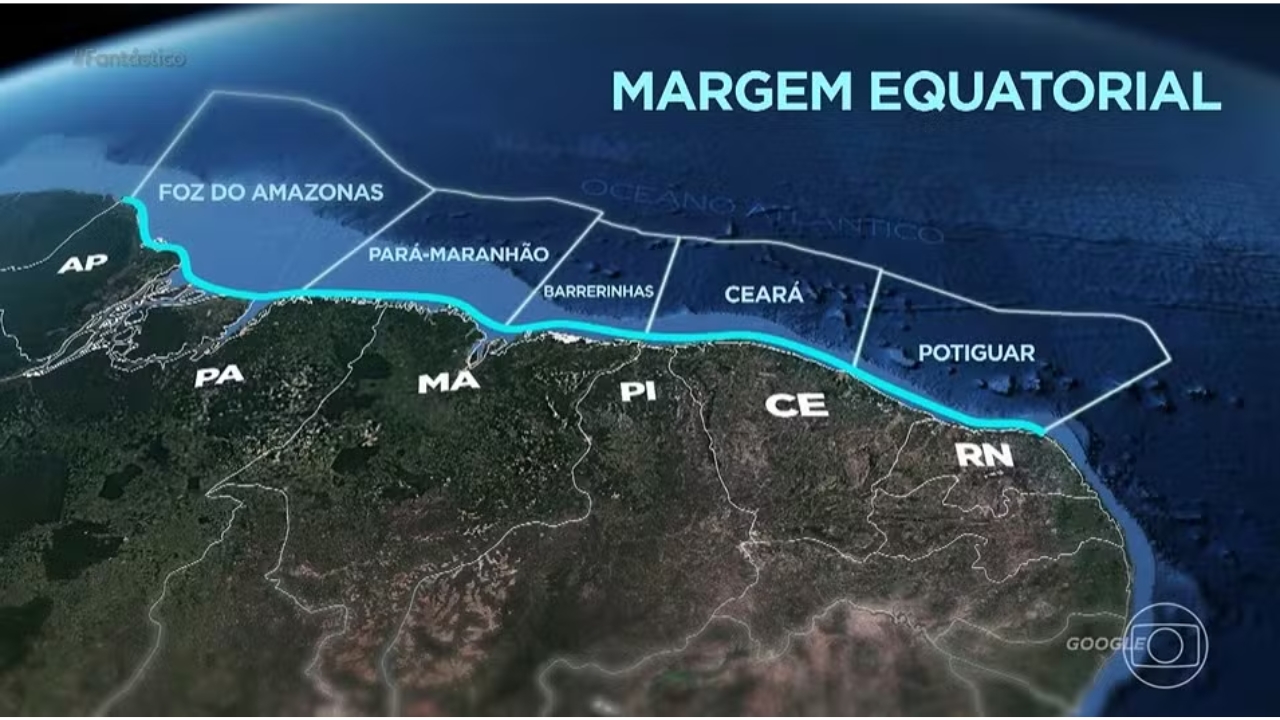


Petrobras Started Drilling the First Ultra-Deep Well in the Equatorial Margin off the Coast of Amapá. The Operation Marks the Beginning of a New Energy Frontier, with Unprecedented Images Documenting the Advance of Exploration
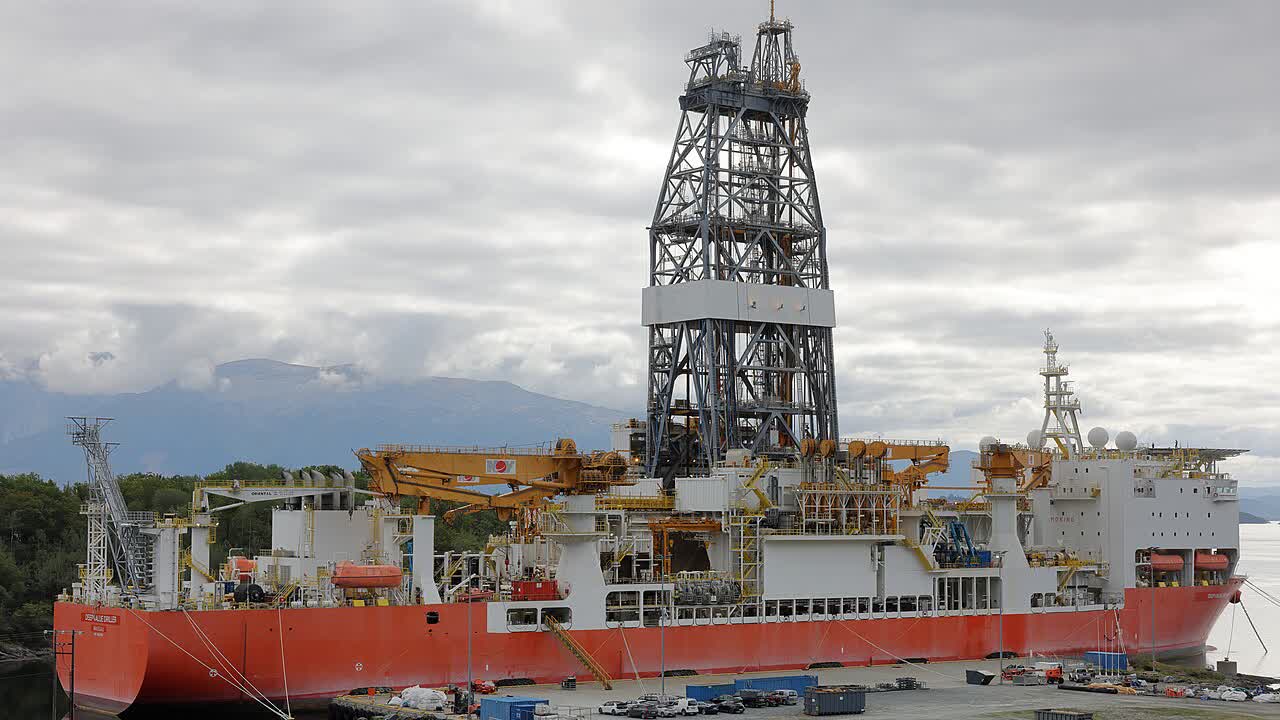
Brazil has just entered a new strategic phase in its energy history. Petrobras’ drill officially started drilling the first exploratory well in ultra-deep waters of the Equatorial Margin, off the coast of Amapá, a territory that has been pointed out by experts for years as one of the areas with the highest oil potential in the world.
The first images of the operation were shared with a group of professionals involved in the project and marked a symbolic moment for the sector.
The confirmation that the equipment reached the bottom of the Atlantic Ocean represents more than a technical advance. It is a sign that the country is finally beginning to unlock an exploration frontier that faced successive delays, intense political debates, and pressures from international organizations opposed to the development of the region.
-
OPEC+ Boosts Oil Supply by 188,000 Barrels per Day in July 2026, Leading to Price Drop from $112 to $89 per Barrel in Under Two Months

-
TotalEnergies Signs 20-Year Deal to Purchase 2 Million Tons of LNG from Alaska, Boosting Project Viability
-
Turkey Deploys Çağrı Bey Drilling Ship to Explore New Oil Frontier Off Somalia’s Coast
-
Golden Pass LNG Ships First Liquefied Gas Cargo from the U.S., Completing $10 Billion QatarEnergy and ExxonMobil Investment

The debate around the topic gained even more attention due to the strong action of foreign NGOs and the position of the leadership of the Ministry of the Environment, frequently criticized by the productive sector for prioritizing external agendas at the expense of the national energy agenda.
Despite the divergences, the process advanced. Now, Petrobras is starting one of the most important exploratory campaigns of the last decade. The chosen area is located approximately 175 kilometers off the coast of Amapá, and drilling takes place under extremely challenging conditions, requiring state-of-the-art technology and environmental protocols considered among the most rigorous in the country.
The systems used were designed to operate in ultra-deep depths, in environments subject to high pressure, significant current variations, and a permanent need for environmental monitoring.
The drilling of this first well is not just an operational milestone. It paves the way for Brazil to accurately understand the true size of the oil and gas reserves present in the Equatorial Margin, often compared by experts to the potential of Guyana, now one of the most dynamic production regions on the planet.
If the technical expectations are confirmed, this new frontier could become one of the main energy bases in Brazil in the coming decades, directly influencing regional geopolitics and the country’s positioning in the global oil market.
The project also has great economic significance. Petrobras and local authorities see the advancement of exploration as an opportunity to transform Amapá into a logistics and industrial hub capable of attracting investments, generating thousands of jobs, and creating a support production chain for offshore exploration.

Furthermore, the new frontier could reinforce Brazil’s energy sovereignty, giving the country a greater ability to face international market fluctuations and maintain production at robust levels in the long term.
Behind the technical movement is a change in the landscape. After years of deadlocks, the start of the campaign confirms Petrobras’ capability to operate with advanced environmental standards, reconciling production expansion with social and environmental responsibility.
It also demonstrates Brazil’s intention to regain prominence in an increasingly competitive global market marked by the search for new reserves, even amidst the energy transition.
With the drill already positioned and the equipment fully operational, the country is following, in real time, the birth of a new Brazilian oil frontier.
What will be found there still depends on the next stages of the operation, but Petrobras’ actions make it clear that Brazil is once again competing for space among the great energy powers, opening doors to a new phase of development, technology, and international projection.


