






 Portuguese
  Spanish


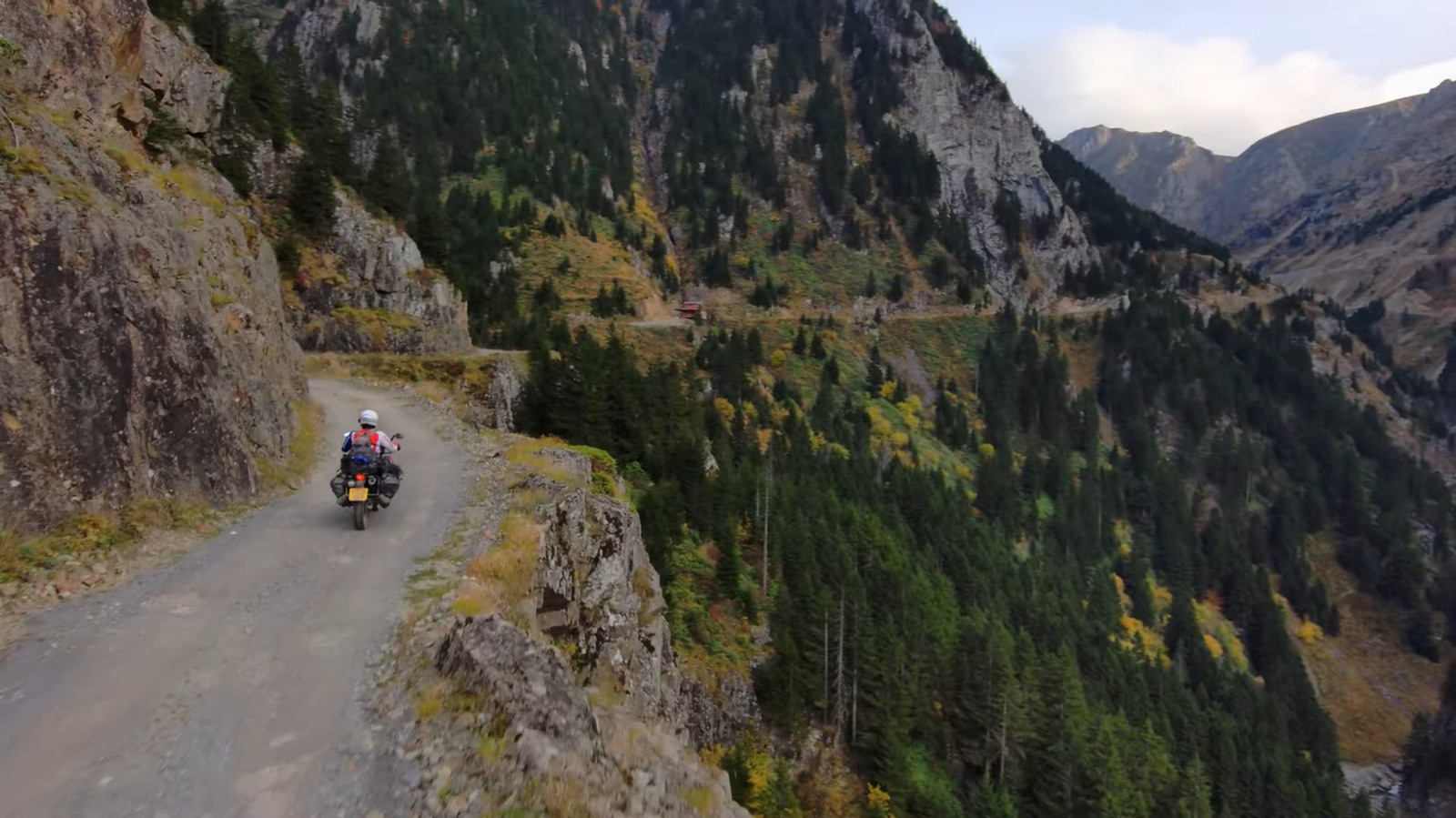


Located in Northeast Turkey, the D915 Bayburt-Of is a 106 km road, built in 1916, with 29 extreme curves, precipices, and unpredictable weather, considered the most dangerous in the world
Located in northeast Turkey, the D915 Bayburt-Of highway is considered one of the most dangerous routes in the world. The route, with a length of 106 kilometers, connects the city of Bayburt, at 1,550 meters above sea level, to Of, on the Black Sea coast. The road cuts through mountains, valleys, and precipices, becoming an extreme challenge for those who dare to cross it.

Global Recognition for Danger
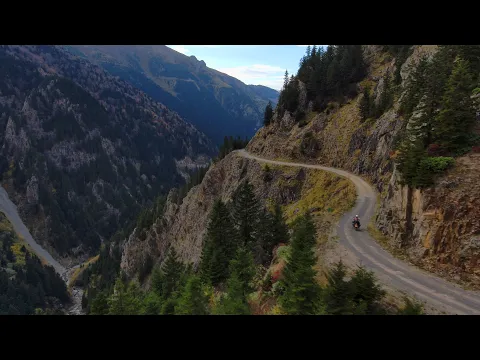
The specialized site dangerousroads.org awarded the D915 the title of the most dangerous road in the world. This ranking surpassed even the famous “Death Road” in Bolivia, known for decades for its risks and accidents.
The D915, however, impresses by combining abrupt drops, extremely tight curves, and a lack of guardrails, making any miscalculation potentially fatal.
-
Eight Artists Secretly Lived in a Hidden 70m² Apartment Inside a Shopping Mall in Brazil for Four Years

-
Artist Lives in Giant Wooden Egg Over a UK River to Observe Tides and Environmental Changes
-
Over 20 Metal Drums Repurposed into School Transport Train Boost Attendance in Australian Aboriginal Community

-
Abandoned Coal Crane at Copenhagen’s Old Port Transformed into Luxury Waterfront Retreat with Spa and Ship Views




A Structure Born in War Times
The road was built in 1916, during World War I, when the Russian Imperial Army occupied part of Turkish territory.
The goal was strategic: to create a military route for the transportation of supplies and troops to coastal areas.
Without modern machinery, the work was done manually, using simple tools and dynamite.
The opening of the paths required cutting nearly vertical cliffs. Even after more than a century, the D915 retains much of its original structure, contributing to the current high level of risk.
29 Curves That Test Nerves
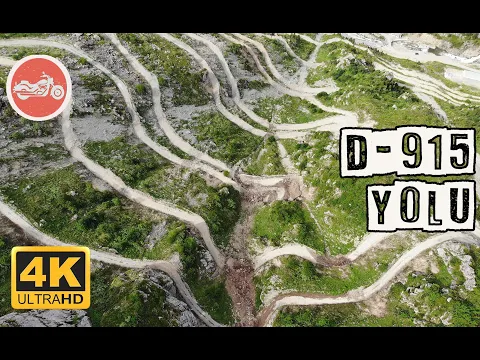
The route has 29 extremely tight curves, many of which are elbow-shaped. The limited width allows only one vehicle to pass at a time, requiring coordination and composure.
According to Central European News, there are sections where the driver needs to back up the vehicle and reposition it to complete the maneuver.
Without guardrails or any type of barrier, the road has become a test of endurance and skill. A slip, even the slightest, can result in a fall of hundreds of meters.
The Feared Derebaşı Turns Section
The most famous point of the D915 is the section known as Derebaşı Turns, where a series of steep curves zigzags down over more than 2,000 meters of elevation drop.
This section, often featured in videos that go viral on social media, shows trucks and cars challenging narrow slopes under fog and rain.
The images are shocking because they reveal how much the route demands precision. Drivers face steep ramps, limited visibility, and edges that end in abysses.
It is not uncommon for fear and adrenaline to be constant companions on this crossing.
Unstable Weather and Constant Risks
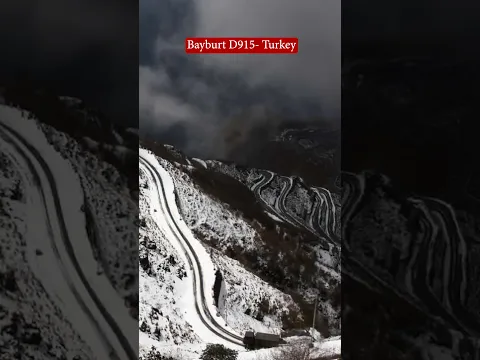
In addition to the dangerous layout, the region’s weather increases the challenges. During the winter, the Turkish government often closes part of the road due to snow and ice, making the surface slippery and invisible at certain points.
Even outside the cold season, the risk continues. Summer storms cause landslides, and thick fog can reduce visibility to just a few meters.
Therefore, the crossing requires experience and total attention, especially from drivers transporting cargo.
A Path Still Used by Locals
Despite its reputation as the “Turkish Death Road,” the D915 continues to be used by local inhabitants. Farmers and truck drivers rely on it to access villages and trade routes between the interior and the coast.
Tourists and adventurers also seek the route, attracted by the mountainous landscapes and the panoramic view of the Black Sea.
The sensation of isolation and danger is part of the experience, which blends fear and fascination in equal measure.
Other Dangerous Roads Around the World
The ranking from dangerousroads.org lists other roads known for their extreme risks. Among them are the Keylong-Kishtwar Road in India; Skippers Canyon Road in New Zealand; La Piste de l’Amitié, between France and Italy; the infamous Death Road in Bolivia; Fairy Meadow Road in Pakistan; BAM Road in Siberia; Ruta 3N in Peru; and Route 522 in Iceland.
Each of these roads holds a different type of danger. However, few combine as many risk factors as the D915 Bayburt, which merges impossible curves, unstable terrain, and a total lack of protection.
The Road That Challenges the Human Instinct
With the video of the descent in hand, it is easy to understand why the D915 is viewed as the most terrifying in the world.
Each curve represents a contest between man and mountain, between control and chaos. It is a road that demands courage, precision, and nerves of steel – and perhaps that is why it continues to fascinate those who confront it.
With information from New York Post.




