





 Portuguese
  English
  Spanish
  5 min of reading
  0 comments


Astronomers have detected radio signals that repeat in a mysterious pattern coming from a distant point in space, and for now, no one can explain for sure what is producing these strange cosmic messages.
The universe is full of mysteries, and one of the most recent has arrived in the form of radio waves. Astronomers have detected a new source of radio signals that repeat in a strange way, coming from a distant point in space. The object, named ASKAP J1745, intrigues scientists precisely because the pattern of its signals does not easily fit into anything we know.
The main clue is that these signals seem to be linked to a pair of stars orbiting each other. Even so, the behavior of these repeated pulses raises more questions than answers. It’s the kind of discovery that shows how much the cosmos still holds phenomena that challenge our understanding, and that keeps astronomers fascinated and perplexed at the same time.
Messages from the depths of space
When talking about radio signals coming from space, it’s natural for the imagination to fly to the idea of alien civilizations. But the reality, although less cinematic, is equally fascinating. The universe is full of objects that naturally emit radio waves, from dead stars to black holes, and capturing these signals is one of the main ways to study what happens in distant corners of the cosmos.
-
Plane drops 700,000 palm seeds over the coast of Paraná in an aerial restoration operation that turns the release into a green rain and targets precisely the areas where criminals plundered the Atlantic Forest by illegally extracting hearts of palm.

-
NASA had to pump about 151 million liters of water in three days to lower a giant reservoir at the Stennis Space Center in Mississippi to its lowest level since the 1960s, in order to replace a pump in the system that protects the rocket engine test stands.
-
Seaweed invading beaches becomes an award-winning invention in the hands of a 17-year-old: Puerto Rican creates biodegradable biotextile to replace plastic in flip-flops and tourism products as the island faces millions of tons of sargassum.

-
U.S. planes drop 100 million sterile flies per week on the border with Mexico to create a living barrier against a flesh-eating parasite that threatens livestock and could cause billion-dollar losses in Texas.


I confess that I find it poetic to think that we are constantly being bathed by radio waves that traveled for light-years to reach here. Each of these signals carries information about its origin, about exotic and violent objects scattered across the galaxy. Deciphering these messages is like reading letters written by the universe itself, and the ASKAP J1745 source has just delivered one of the most enigmatic in recent times.
Why these signals are so intriguing
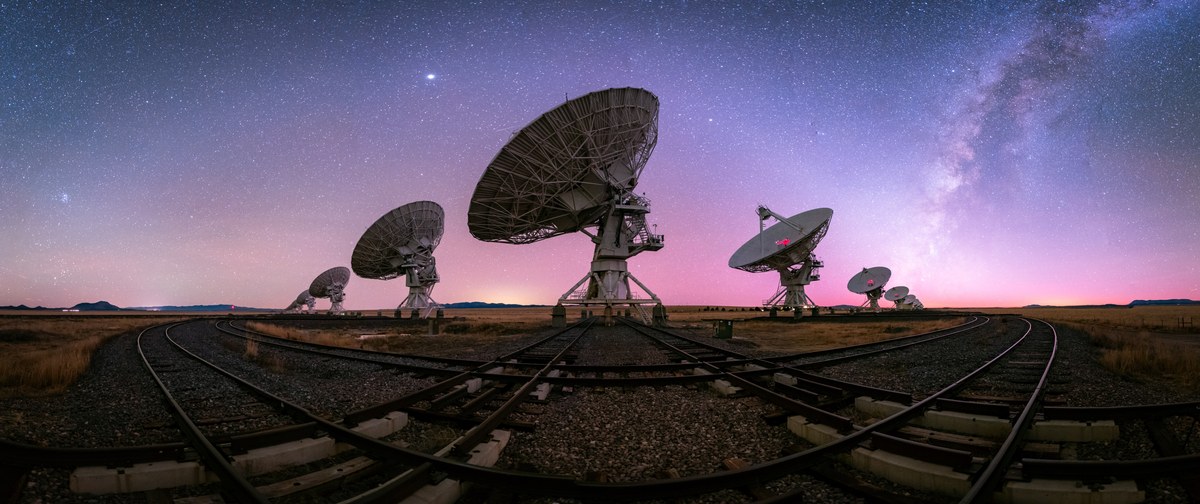
What makes ASKAP J1745 so intriguing is the pattern of its signals. Radio signals that repeat at regular intervals usually have known explanations, such as dead stars rapidly spinning and emitting pulses, the famous pulsars. But when the rhythm or characteristics of these pulses deviate from the expected, scientists are faced with a puzzle, without a ready answer up their sleeve.
It is precisely this strangeness that excites astronomers. The suspicion that the signals come from a pair of stars in orbit helps, but it doesn’t completely close the explanation. There may be some poorly understood phenomenon happening there, or a rare combination of objects. Each of these mysteries is an opportunity to learn something new about how the universe works, and that’s why the ASKAP J1745 source has become the target of so much attention and study.
The history of astronomy shows that strange objects often lead to great discoveries. When the first radio signals pulsating and regular were captured decades ago, some scientists even joked that they could be messages from alien civilizations, such was the regularity. In the end, it was discovered that they were pulsars, dead stars spinning rapidly, and this discovery earned a Nobel Prize and changed the way we understand the universe. That’s why each enigmatic source, like ASKAP J1745, is studied so carefully: behind a pattern that seems to make no sense may be hidden a completely new phenomenon, capable of expanding our knowledge of the cosmos in a way that no one has yet imagined.
The eyes that listen to the universe
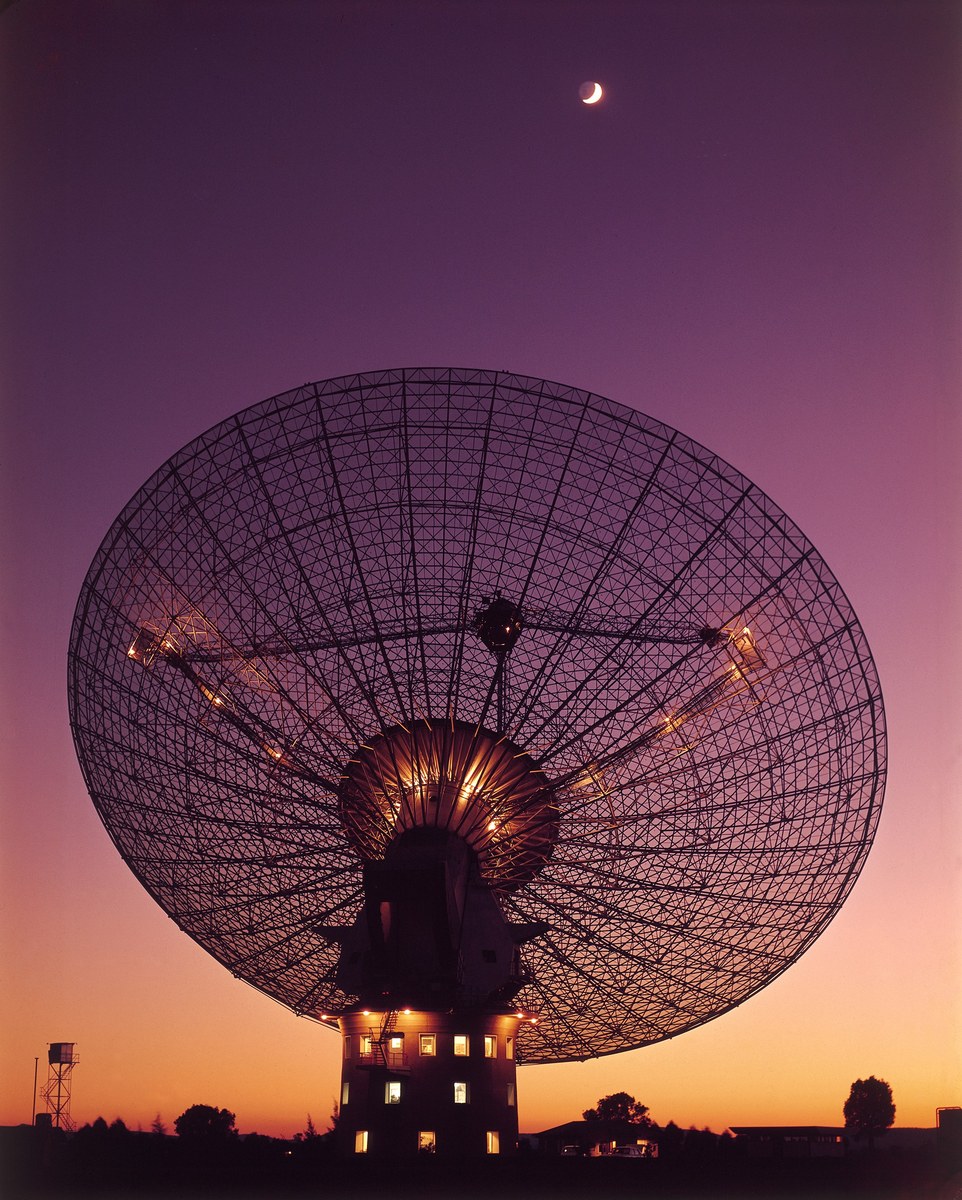
Capturing these signals so weak and distant is only possible thanks to radio telescopes, gigantic instruments that function as ears turned to the cosmos. These enormous antennas capture the radio waves coming from space, often from objects millions or billions of light-years away. Without them, phenomena like ASKAP J1745 would go completely unnoticed.
It’s impressive to think that we can detect such faint pulses coming from so far away. Radio telescopes are so sensitive that they capture tiny amounts of energy, and astronomers need to separate these real signals from all the noise that exists around. When a strange object like this appears, these antennas become the window through which humanity peeks at the deepest and most distant mysteries of the universe.
It is worth noting that many of these radio telescopes work together, spread over large areas or even different countries. By combining what several antennas capture at the same time, scientists can see the sky with much greater precision than a single antenna would allow, as if assembling a telescope the size of a continent. It was precisely one of these large arrays of antennas, in Australia, that captured the signals of ASKAP J1745. This coordinated work is what makes it possible to detect such rare and distant phenomena and shows how modern astronomy increasingly depends on cooperation between instruments and teams worldwide to unravel the enigmas of the cosmos.
The cosmos full of enigmas
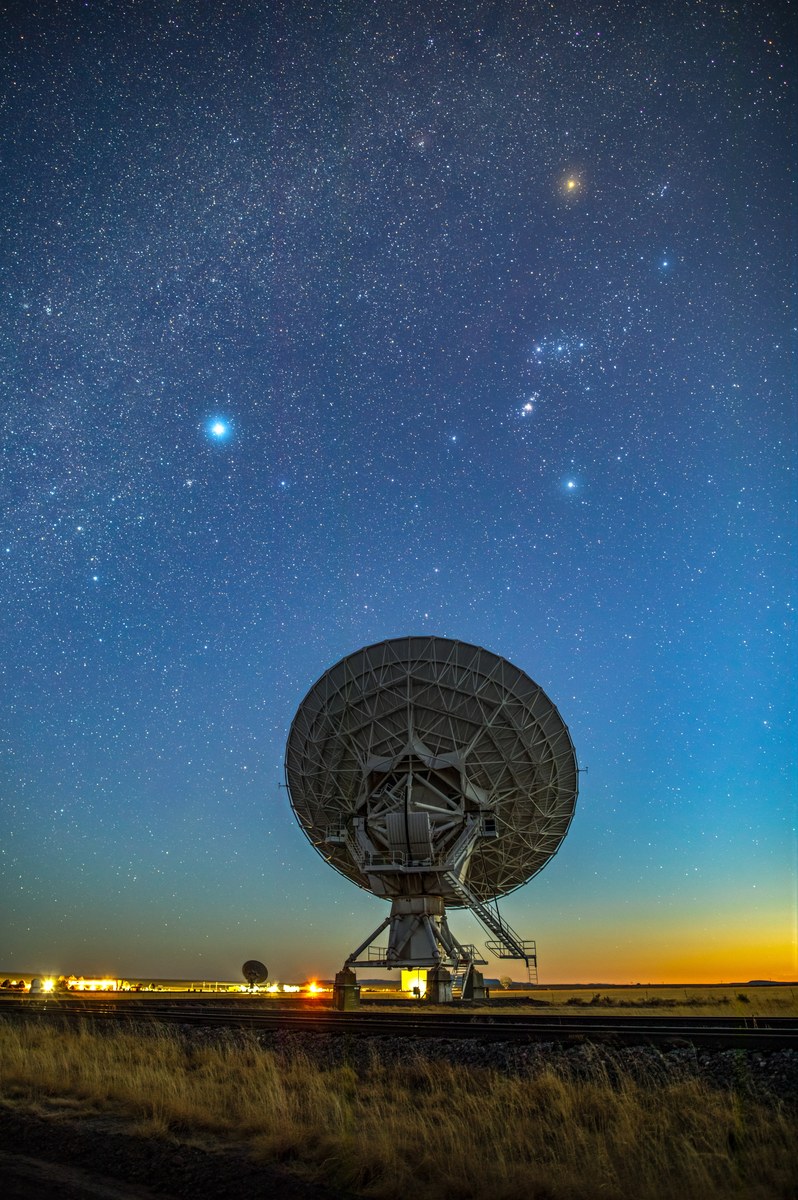
I wonder how many other mysterious signals are crossing space at this very moment, coming from objects we do not yet understand, waiting for some antenna on Earth to capture them and for some scientist to delve into them. The universe seems to be constantly sending us enigmas, and ASKAP J1745 is just the latest of them.
Discoveries like this are a beautiful reminder that, no matter how much science advances, the cosmos remains full of surprises. The repeated and unexplained signals from this distant source show that there is still much to learn about what exists out there. And it is precisely this sense of mystery, of being faced with something we do not yet understand, that keeps humanity’s passion for listening to and deciphering the messages of the universe alive.
Isn’t it fascinating to think that the universe sends us mysterious signals that we still cannot explain?





Be the first to react!