Portuguese
  Spanish


Using sargassum seaweed that arrives on the beaches of Puerto Rico, Helena do Rego created SargaTex PR, a biodegradable biotextile for flip-flops and tourist items; the 17-year-old won North America in the Earth Prize 2026, received US$ 12,500, and seeks to reduce plastic and textile waste.
The seaweed that accumulates on the beaches of Puerto Rico has become the raw material for an environmental invention created by Helena do Rego, a 17-year-old who developed SargaTex PR. The project transforms excess sargassum into a biodegradable biotextile designed to replace synthetic materials in flip-flops, spa footwear, and quick-use products related to tourism.
According to the The Earth Prize Newsroom, the solution was recognized in May 2026, when Helena was named the North America winner in the Earth Prize, a global environmental competition aimed at young people aged 13 to 19. With the prize of US$ 12,500, she intends to advance the development of the material, test production with the support of university laboratories, and seek partnerships in Puerto Rico.
Excessive seaweed becomes an environmental problem on the beaches of Puerto Rico
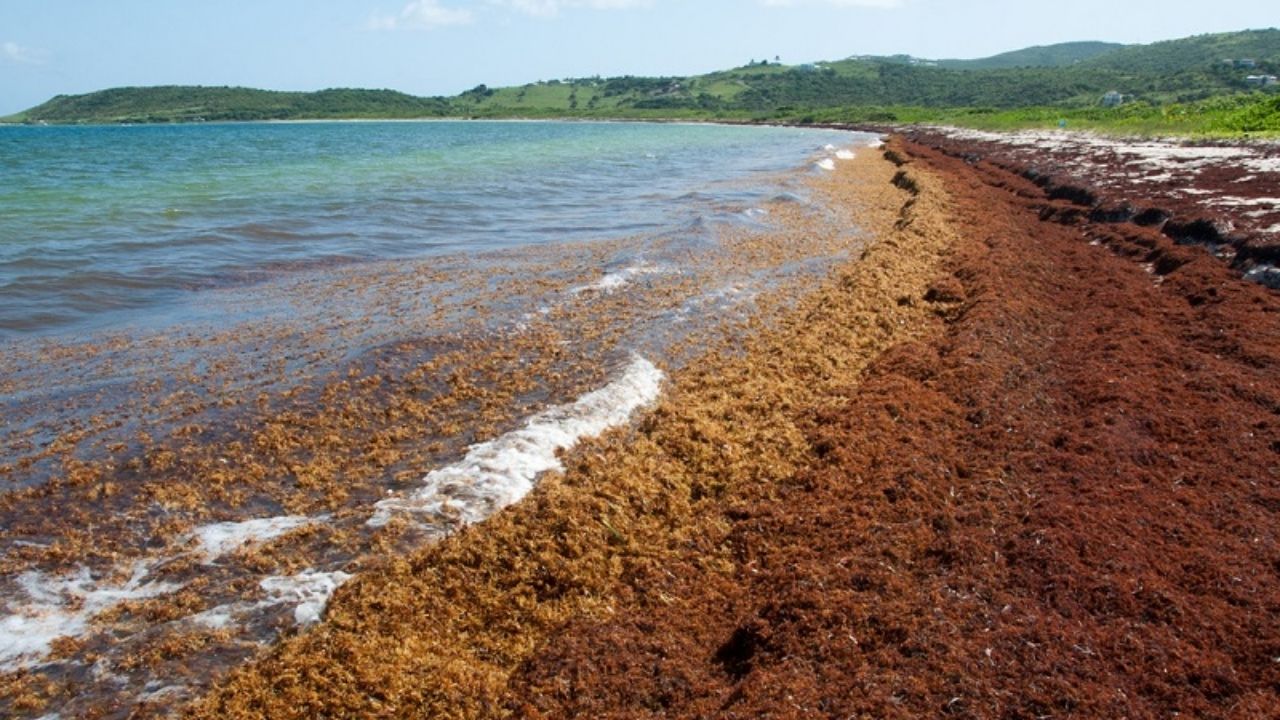
The starting point of SargaTex PR is a visible problem on Puerto Rican beaches: the accumulation of sargassum. This type of seaweed can arrive in large volumes on the coast, cause bad odors, and make coastal areas less usable for residents, visitors, and communities that depend on tourism.
-
The Trap of Modern Technology: How Screen Overload and Digital Connections Can Impact Your Mental Health and Well-being

-
Wyoming Couple Grows Tropical Fruits Year-Round in -40°C Using Geothermal Greenhouse, Demonstrating Earth’s Heat Can Produce Oranges and Lemons in Snow Without Traditional Heating

-
Ship Returns from Brazilian Coast with Thirty Newly Discovered Life Forms
-
Nigerian Professor Invents Electricity-Free Refrigerator Using Clay Pots and Wet Sand, Extending Shelf Life of Vegetables to 27 Days; 7,000 Units Distributed in Energy-Deprived Villages


Helena do Rego observed this impact up close and decided to find a way to turn the nuisance into raw material. Instead of treating the seaweed merely as environmental waste, she began to investigate how sargassum could be repurposed into a functional material.
The idea draws attention because it starts from a common scene on various Caribbean beaches: tons of algae accumulated where there should be tourists, residents, and economic activities. The challenge is not only in removing this material from the coast but in finding uses that can reduce waste and generate value.
The project also arises in a context of pressure on landfills and an increase in textile waste. According to data released by the Earth Prize, Puerto Rico simultaneously faces excess sargassum, landfills nearing capacity, and high annual disposal of fabric-related waste.
SargaTex PR transforms sargassum into biodegradable biotextile
Helena’s invention was named SargaTex PR. The proposal is to transform sargassum algae into a biodegradable biotextile, initially aimed at short-lived products like disposable flip-flops, beach footwear, spa items, and accessories used in tourist environments.
The difference lies in the attempt to replace plastic materials and synthetic fabrics in products that are usually used for a short time. In tourist locations, this type of item can generate frequent waste, especially when produced with materials that are difficult to degrade.
The biotextile tries to solve two problems at once: providing a destination for sargassum and reducing the dependence on plastic in quick-use products. The solution does not promise to eliminate marine pollution on its own but presents a concrete alternative for a consumption category linked to beaches and tourism.
The first prototypes of SargaTex PR were developed with locally sourced materials, including cranberry juice and coffee grounds, according to the Earth Prize material. The proposal is to create a fabric capable of biodegrading in a few weeks, reducing its permanence in the environment after disposal.
17-year-old wins regional stage of the Earth Prize

Helena do Rego was named the North America winner in the Earth Prize 2026, an international environmental competition aimed at young students. The recognition placed SargaTex PR among solutions selected for their ability to tackle environmental challenges with practical application.
The regional award guarantees $12,500 to develop and implement the idea. The funding should help Helena advance in testing, improve the biotextile, and seek technical structure to enhance the material’s formulation.
The regional victory does not immediately transform the project into a market product, but it gives SargaTex PR a real chance to move from prototype to more robust testing. This is an important step for an innovation created by a young person still in the academic and technical development phase.
The Earth Prize presents itself as an incubator of ideas for young people aged 13 to 19, offering mentorship, resources, and funding. In the 2026 edition, regional winners represent different parts of the world, with solutions aimed at local and global environmental problems.
Flip-flops and tourist products are the initial target of the solution
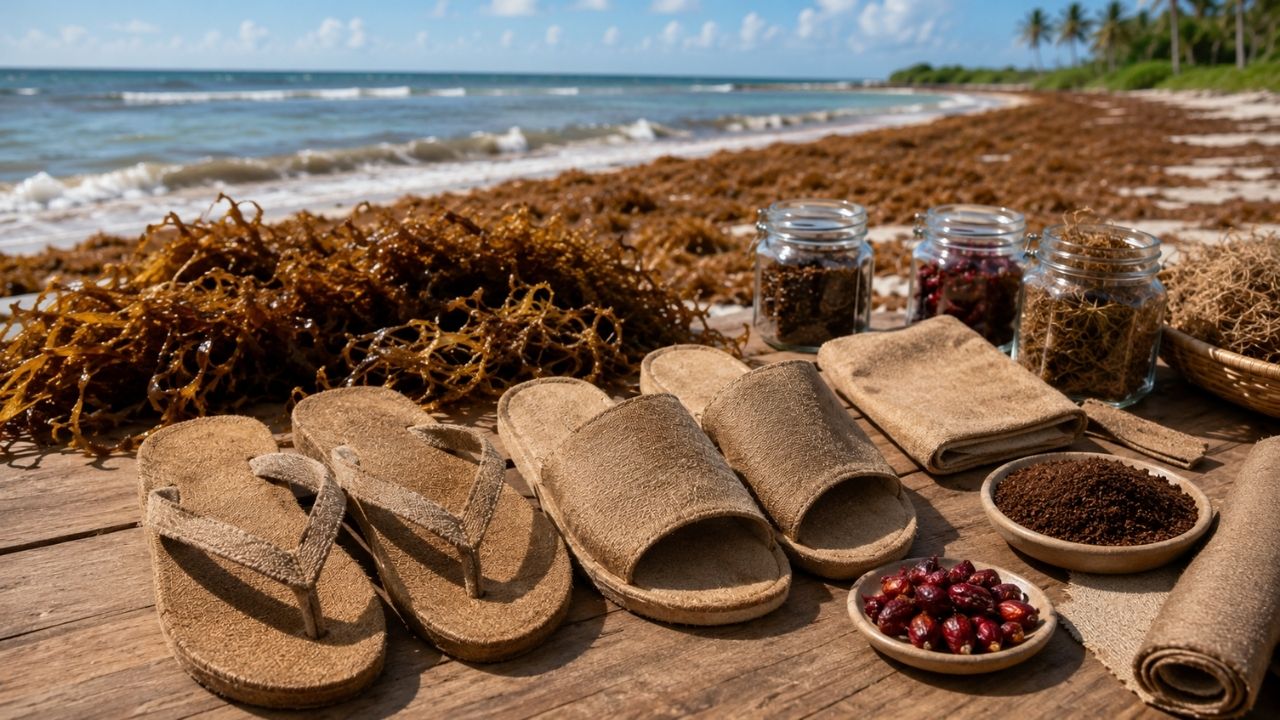
The first market envisioned for the biotech fabric is simple products, for quick use and with a strong connection to tourism. Flip-flops, spa footwear, beach accessories, and items sold in coastal stores appear as possible applications for a material made from seaweed.
The choice makes sense because these products circulate precisely in environments affected by sargassum. On beaches, in hotels, spas, and tourist spots, biodegradable alternatives can have direct environmental appeal and help reduce the use of disposable plastics.
There is a strong symbolic connection: waste that harms the beach can become raw material for products used in the tourism economy itself. This logic transforms the local problem into a solution with territorial identity.
To reach the market, however, it will be necessary to test resistance, comfort, cost, safety, and production capacity. A biodegradable material needs to be environmentally interesting but must also perform well in real use to compete with cheap synthetic options.
Project also targets textile waste and microplastics
In addition to sargassum, SargaTex PR addresses another environmental problem: textile waste. Puerto Rico receives a large annual volume of this type of waste, while a small portion is recycled, according to data released in the prize material.
Synthetic fabrics also release plastic microfibers during washing, contributing to ocean pollution. By proposing a biodegradable biotech fabric, Helena tries to reduce the dependency on materials that remain in the environment for a long time.
The project gains strength because it not only looks at seaweed but at an entire disposal chain linked to fast consumption. Products used for a short time can have a lasting impact when made with synthetic materials.
In this sense, SargaTex PR positions itself as a transitional solution: it reuses an abundant resource and attempts to create less aggressive alternatives for items that today depend on plastic or artificial fibers. The challenge will be to prove that this alternative works on a large scale.
Local partnerships can expand collection and development
With financial support from the Earth Prize, Helena intends to use university laboratories, including structures linked to the University of Puerto Rico, to better develop the biotextile. This type of support can allow for resistance, biodegradation, and formulation tests.
The young woman also plans to work with local organizations, such as Scuba Dogs, to expand the collection of sargassum. Approaching groups that are already active in the territory can facilitate access to the algae and help the project connect with communities directly affected by the problem.
The partnership stage will be decisive in determining whether the idea can move from the test bench to a functional chain. Without organized collection, laboratory, production, and buyers, even a good environmental solution can remain limited to prototypes.
There is also the possibility of dialogue with beach shops and sustainable tourism companies. These partners could test products made with the biotextile in real environments, evaluating consumer acceptance, durability, and commercial viability.
Biodegradable material still needs to prove scale outside the laboratory
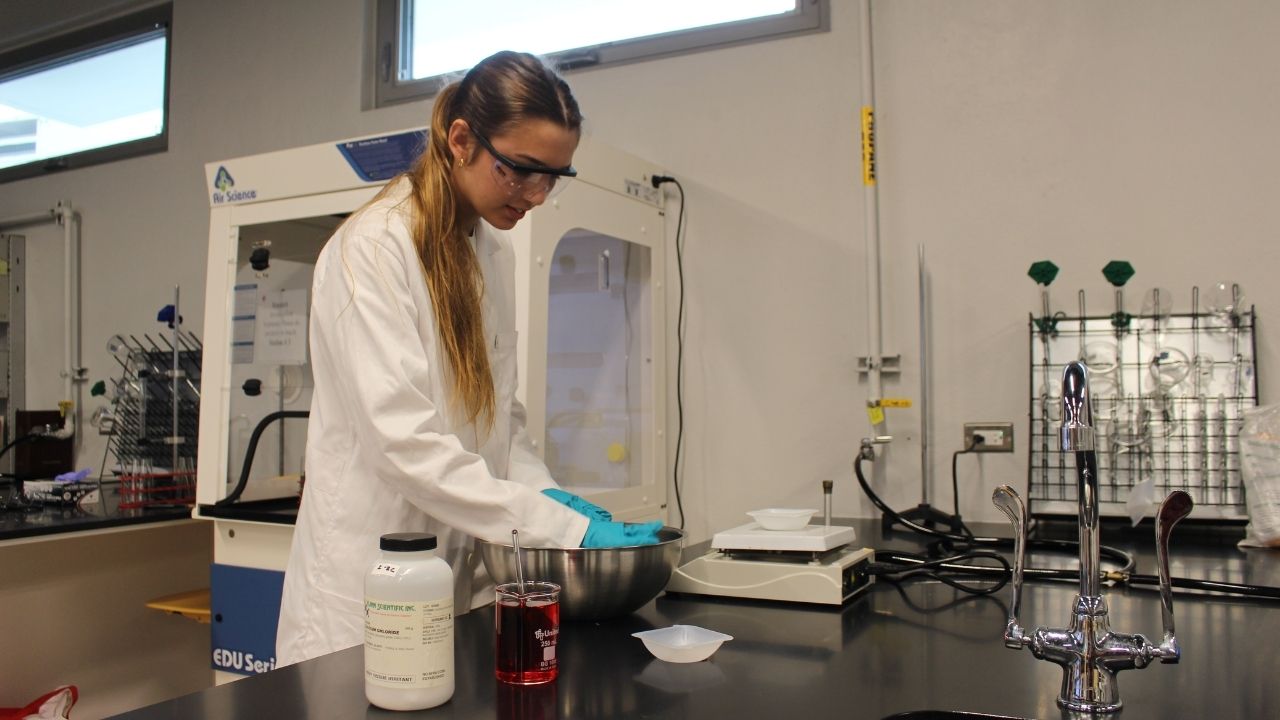
Despite international recognition, SargaTex PR is still in development. The creation of prototypes is an important step, but it does not conclude the path to a viable product for widespread use on beaches, spas, or tourist businesses.
Production on a large scale requires material standardization, regular supply of raw materials, quality control, and competitive pricing. It will also be necessary to ensure that the biotextile is comfortable, safe, and durable enough for the intended applications.
The biggest challenge may be turning an award-winning invention into an accessible market solution. Many sustainable materials face barriers when they leave the laboratory and need to compete with low-cost plastics.
Even so, Helena’s proposal has a strong point: it uses an abundant problem as a productive base. If the algae that reach the beaches can be collected and reused efficiently, the project can unite coastal cleaning, young innovation, and waste reduction.
Algae stop being just invasive and become a bet against plastic
The story of SargaTex PR shows how an environmental problem can gain another meaning when seen as raw material. The sargassum that invades beaches, causes bad odor, and affects tourism is now being studied as a base for a biodegradable biotextile.
Helena’s invention do Rego does not eliminate the need for public policies for coastal management, plastic reduction, and waste control. But it points to a practical route: transforming excess algae into useful products, especially in sectors that also depend on the health of the beaches.
The project draws attention because it swaps the logic of disposal for the logic of reuse. Instead of just removing sargassum from the sand, the proposal tries to give economic and environmental function to the material.
Do you believe that products made with algae can replace plastic in flip-flops, beach items, and tourist accessories, or is there still a lack of scale to compete with traditional materials? Leave your opinion in the comments and join the debate.