Portuguese
  Spanish


Pakita BR-153’s journey combines professional change, road, and digital presence, in a story marked by female representation in road transport and the reach achieved on social media from the routine in the cab of a truck across Brazil.
Veridiana Henning, known as Pakita BR-153, has established a public trajectory by transforming her trucker routine into digital content followed by a large audience on social media.
Originally from Mafra, Santa Catarina, she appears in specialized sources as a driver, influencer, and YouTuber, with activities related to road transport and life on the road.
On digital platforms, the reach reinforces the dimension achieved by the character, who has come to be followed by people interested both in the world of trucks and in stories of professional change.
-
Historic 1932 Art Deco Jacob Riis Bathhouse in New York to Reopen as $1,000-a-Year Club After 54 Years Closed

-
Brazil’s Famous Blue Lagoon Cave Set to Reopen to Tourists in 2026 After 23-Year Closure
-
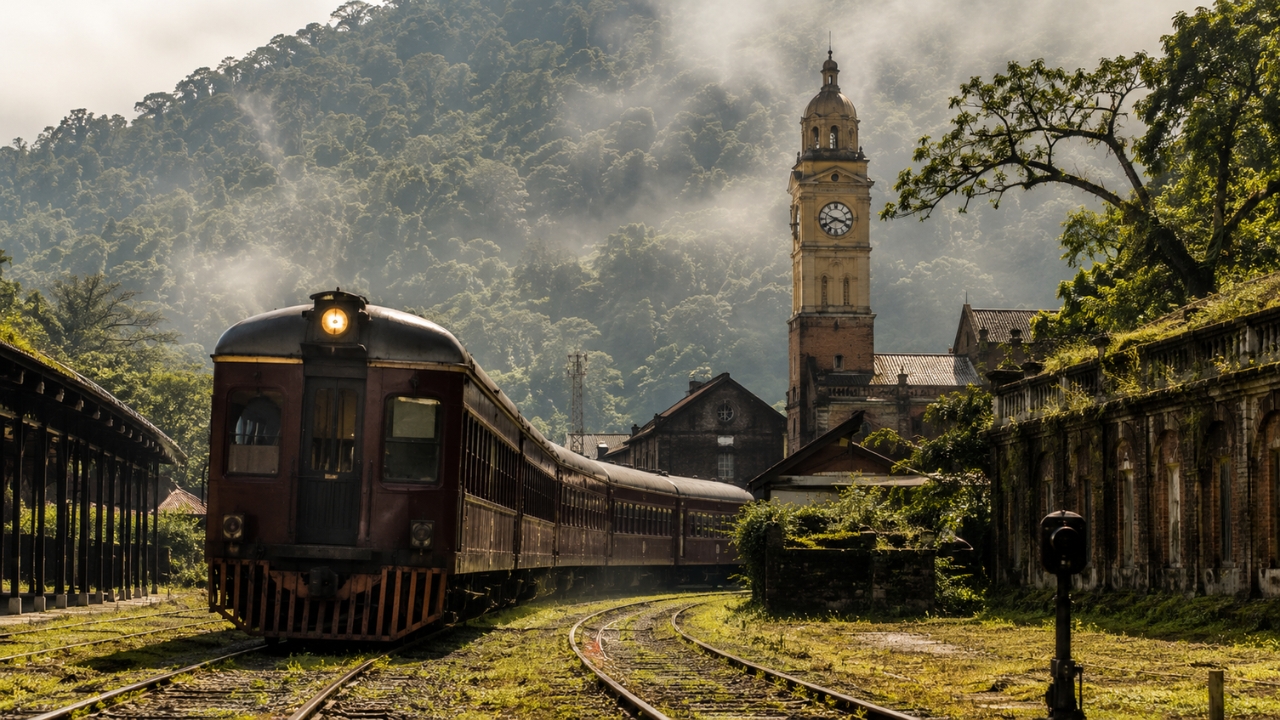
Tourist Train in São Paulo’s Serra do Mar Takes Passengers to a 19th-Century English Railway Village, Showcasing the Historic Santos-Jundiaí Railway’s Role in Coffee Transport

-
After a 4-year journey across the Americas, couple settles in southern Brazil, transforms rusted shipping container into a home, facing real risks and close calls along the way.



A survey by HypeAuditor, updated in June 2026, lists the profile @pakitabr153_ as “Veridiana Henning / Trucker + YouTuber” and notes 1.4 million followers on Instagram.
The same platform indicated a detailed count of 1,419,227 followers on June 24, 2026, a number that helps explain the projection achieved by Pakita beyond the traditional road audience.
From the Classroom to the Road as Pakita BR-153
Before establishing herself in the cab, Veridiana went through professional experiences far from freight transport, including working as a teacher and modeling jobs.
According to Brasil do Trecho, despite these activities, she maintained the desire to follow a routine linked to trucks, an influence also associated with the presence of truckers in the family.
The change of route gained prominence due to the contrast between previous occupations and the road transport routine, marked by long trips, responsibility with cargo, and constant interaction with Brazilian roads.
According to the published account, the connection with this universe came from family references on her mother’s and grandmother’s side, which helped bring her story closer to the trucker environment.
Within the sector, the nickname Pakita BR-153 came to function as public identification, combining a striking name, professional routine, and constant presence on social media.
This personal brand appears linked to the trucker image, to the content produced for the internet, and to the recognition among people who follow the daily life of professional drivers.
Female presence in road freight transport
The fact that Veridiana works in an activity historically associated with men, especially in environments like stations, yards, transport companies, and truck cabins, also gained strength.
Brasil do Trecho states that she faced prejudices, distrust, and obstacles in her entry into the sector, without treating the choice of the road as a passing experience.
For this reason, Pakita’s story began to circulate beyond truckers, reaching readers and followers interested in female representation in road transport.
By showing a woman working in freight transport, Veridiana became a recognized figure in a sector where the female presence still tends to surprise.
With exposure on social media, this reach expanded consistently, bringing the trucker closer to an audience that doesn’t always know the routine of heavy transport.
On Instagram, HypeAuditor data classifies the account as linked to Veridiana Henning, trucker and YouTuber, and records posts, average likes, and engagement indicators.
Routine in the cab became a digital showcase
In addition to working behind the wheel, Veridiana started using digital platforms to show aspects of the routine in the cab, including trips, behind-the-scenes, and moments related to daily life on the roads.
Brasil do Trecho records that she uses social media to share road experiences, encourage other women to enter the field, and advocate for the female presence in transport.
This combination of profession and direct communication with the public created a second layer for her career, without displacing the main identity of a trucker.
Instead of appearing only as a driver, Pakita began to be seen also as a content producer, capable of transforming journeys, stops, and behind-the-scenes work into a public narrative.
The profile analyzed by HypeAuditor also records 759 posts by June 2026 and an average of 6,941 likes per content.
These numbers indicate that Pakita’s routine is no longer followed only by those who live transport but has reached a broader audience on social media.
Faith, trucks, and public recognition
Another element associated with Veridiana’s image is the relationship with faith, present in the way she names the trucks used in her professional journey.
According to Brasil do Trecho, names like Prince of Peace and Promise appear linked to the spirituality that accompanies the truck driver in her travel routine.
Visibility also reached well-known names in the trucking universe, including Sula Miranda, cited as the Queen of Truck Drivers in a publication about Pakita’s journey.
According to Brasil do Trecho, the interview given by Veridiana to the singer contributed to expanding her exposure and reinforcing the truck driver’s recognition beyond social media.
Without turning the profession into an idealized scenario, Pakita’s public narrative shows a career marked by travel, responsibility, preparation, and constant presence on the highways.
In the sum of verifiable elements, the story brings together a woman from Mafra, Santa Catarina, experiences in other professions, a shift to the driver’s seat, personal brand building, and millions of followers accompanying her routine.