Portuguese
  Spanish



Shell Maintains Steady Oil Production To Regain Investor Confidence In Energy, Aiming To Improve Its Performance
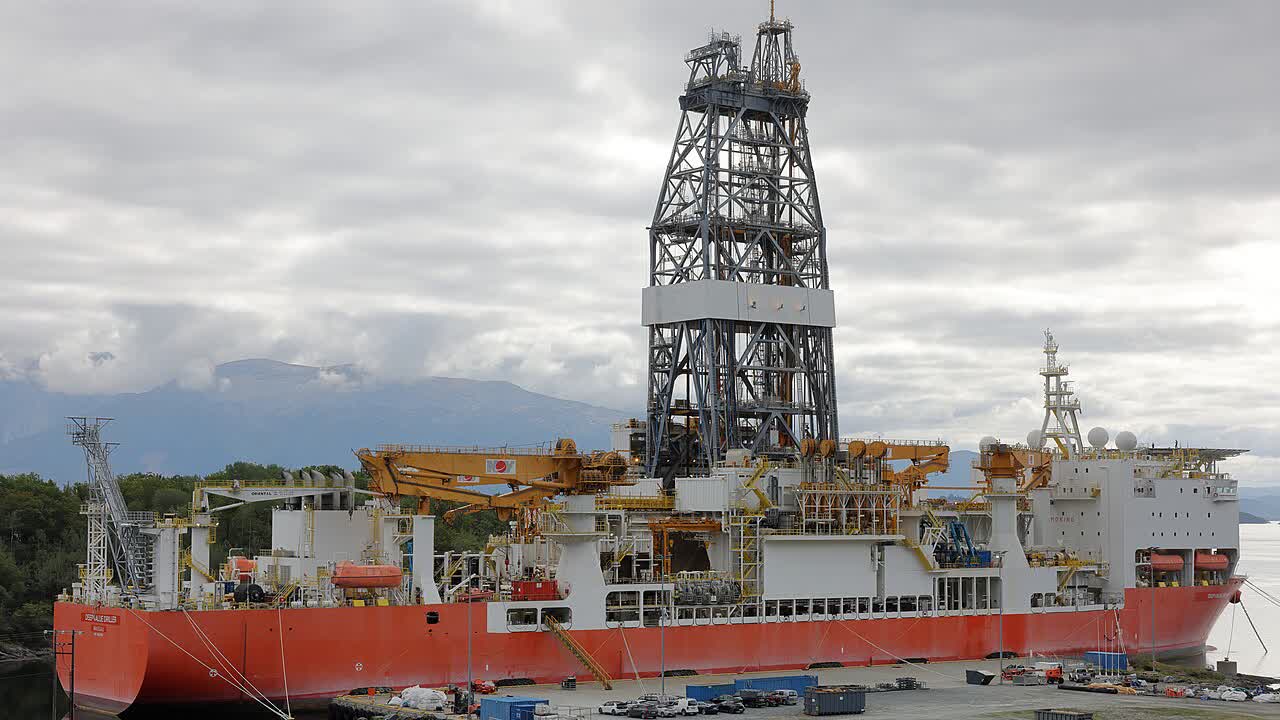
Shell, one of the largest energy companies in the world, announced that it will maintain its oil production steady or slightly higher until 2030. This decision is part of CEO Wael Sawan’s efforts to regain investor confidence, as the company has faced low returns in renewable energy while oil and gas profits are high.
At the next investor event, Sawan will announce the cancellation of the target to reduce oil production by 1% to 2% per year. According to company sources, this target has largely been achieved through the sale of oil assets such as shale businesses in the United States. Sawan stated that oil and gas will continue to be fundamental for Shell in the coming years, emphasizing that the transition to low-carbon businesses cannot compromise profits.
Shell’s Cautious Approach To Energy Transition And Focus On Oil Production
Shell’s more cautious approach to the energy transition marks a shift from its predecessor, Ben van Beurden, who established carbon reduction targets and an energy transition strategy. In recent months, Shell canceled several renewable energy projects due to forecasts of low returns. However, the company has reported record profits driven by high oil and gas prices.
-
Qantas and Airbus Invest in Company Aiming to Convert Unsorted Household Trash into Jet Fuel

-
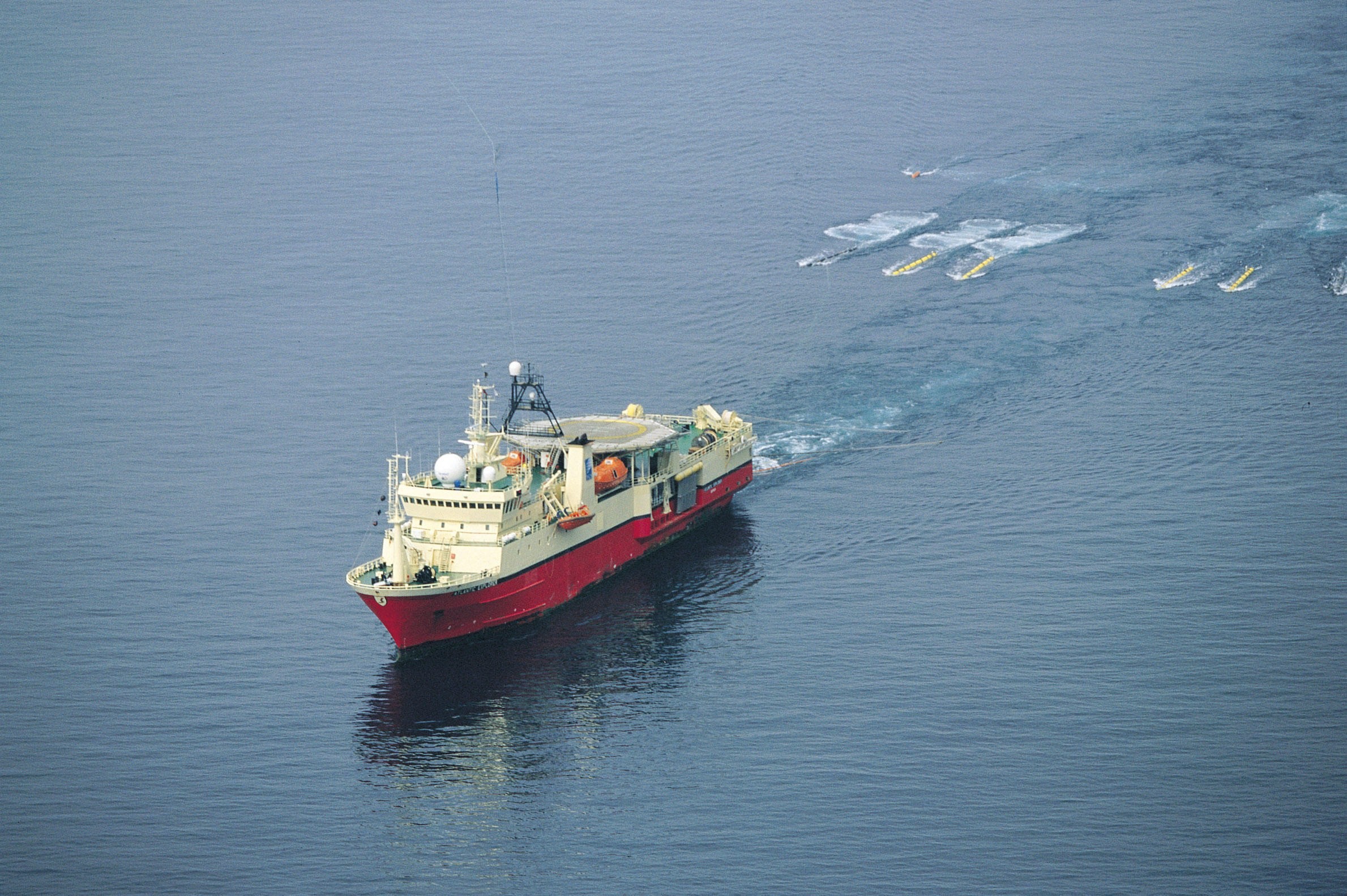
Brazil’s ANP Opens 86 New Oil Blocks in the Equatorial Margin, Expanding the Amazon River Mouth Frontier

-
OPEC+ Boosts Oil Supply by 188,000 Barrels per Day in July 2026, Leading to Price Drop from $112 to $89 per Barrel in Under Two Months

-
TotalEnergies Signs 20-Year Deal to Purchase 2 Million Tons of LNG from Alaska, Boosting Project Viability
Wael Sawan, CEO of Shell, will detail his vision at the investor event in June, reinforcing that oil and gas production will remain a priority in the coming years. The expectation is that production will remain stable or slightly increase by the end of the decade, depending on internal profitability criteria and the success of exploration activities. Shell will also maintain its goal of becoming a net zero emitter by mid-century.
Despite Canceling Energy Projects, Shell Works To Improve Its Performance
Shell’s stock performance has lagged behind competitors, which has been a concern for Sawan. He emphasized the importance of being excellent in oil and gas production, as well as creating low-carbon options such as utilizing renewable energy. The company is reviewing its shareholder payment plans, and analysts foresee a significant increase in dividends. These measures aim to make Shell more competitive and enhance returns for shareholders.
In summary, Shell has decided to maintain its oil production steady or slightly higher until 2030 as part of efforts to regain investor confidence. The company emphasizes the importance of oil and gas while seeking low-carbon options. This more cautious approach to the energy transition aims to ensure solid returns and improve the company’s performance.