Portuguese
  Spanish


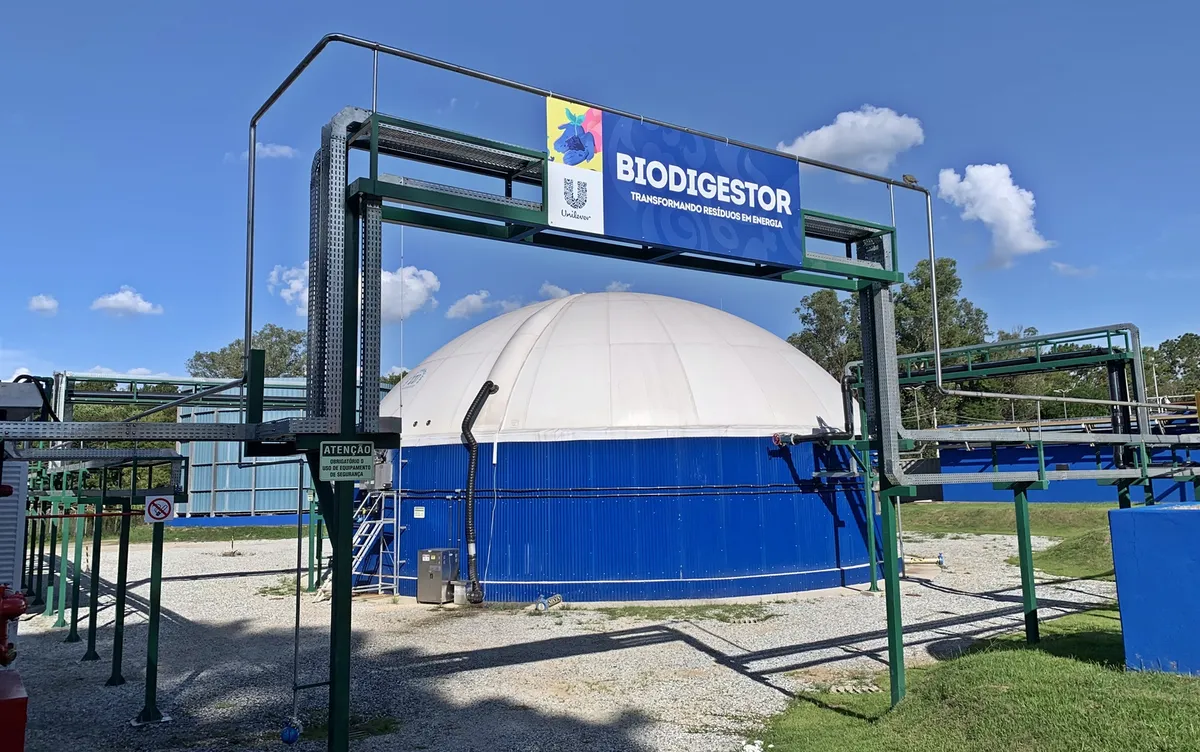

The Thermal Energy Utilization Initiative From Biogas Is From Unilever, Which Adopted The Measure At Its Factory In Minas Gerais In Celebration Of World Environment Day
In celebration of World Environment Day, the multinational food products company Unilever announced that it will implement clean thermal energy at its factory in Pouso Alegre, Minas Gerais. With this measure, the unit will become a pioneer in the state by using thermal energy from biogas, according to G1.
This measure represents Unilever’s commitment to sustainability and the reduction of its environmental footprint. The Minas Gerais factory will begin to use biogas as a source of thermal energy, contributing to the reduction of greenhouse gas emissions and the transition to a cleaner energy model.
How Is Biogas Obtained?
Biogas is obtained from the decomposition of organic waste, such as food scraps and industrial waste, through anaerobic digestion processes. This gas is a source of renewable energy and has a low environmental impact, as it utilizes materials that would otherwise be discarded. The use of this form of thermal energy in the Minas Gerais factory allows Unilever to reduce its dependence on fossil fuels and contribute to climate change mitigation.
-
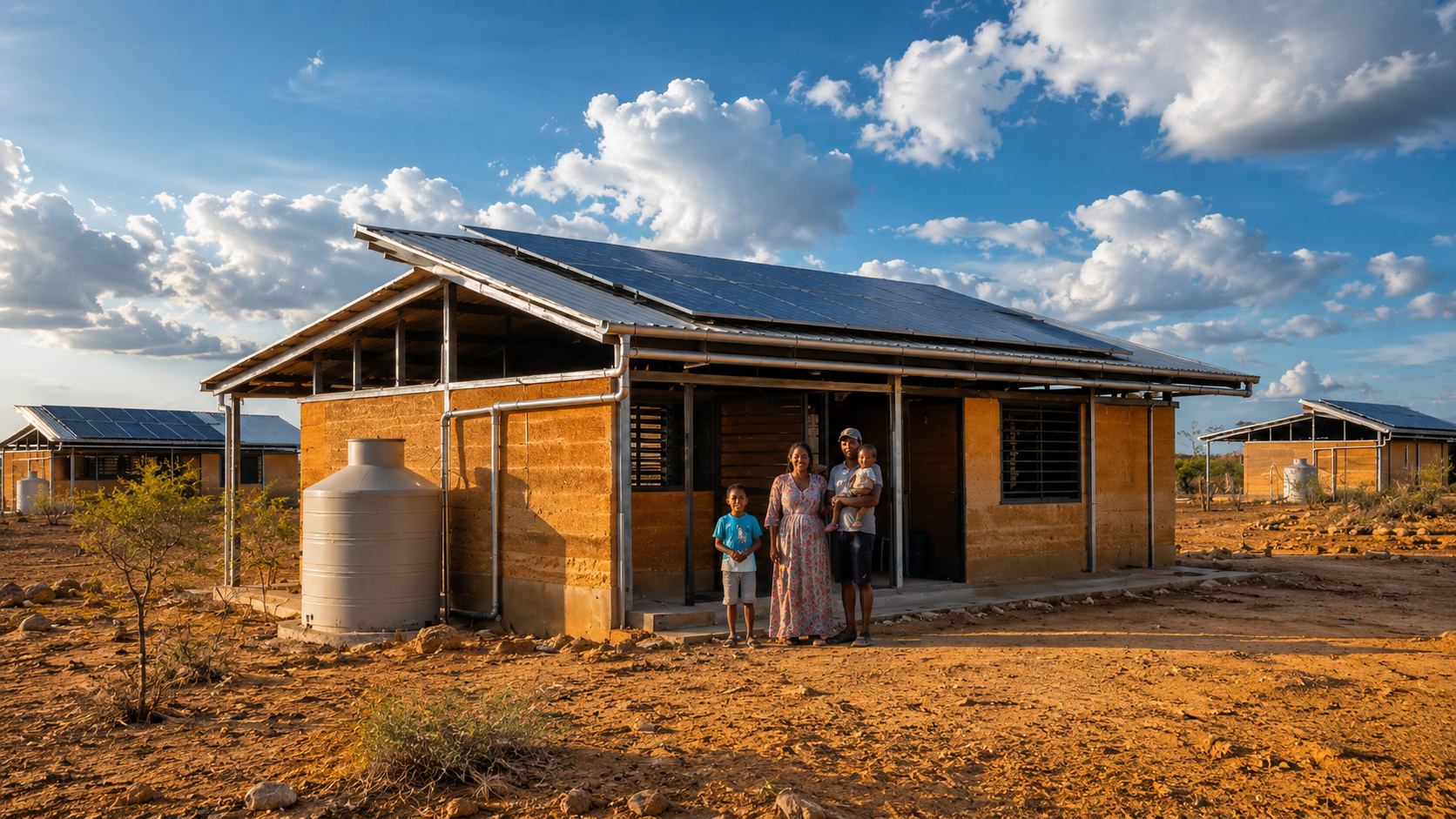
In Colombia’s desert, 30 families receive 80 m² homes with solar panels, waterless toilets, and rainwater collection systems amid water and energy shortages.

-
H2A to Invest $570 Million in 22 Biomethane Plants in Brazil, Converting Agricultural Waste into 700 Tons of Renewable Fuel Daily
-
Engie Secures 10-Year Use of 625 MWh in Batteries to Store Excess Solar and Wind Energy in Spain by 2028
-
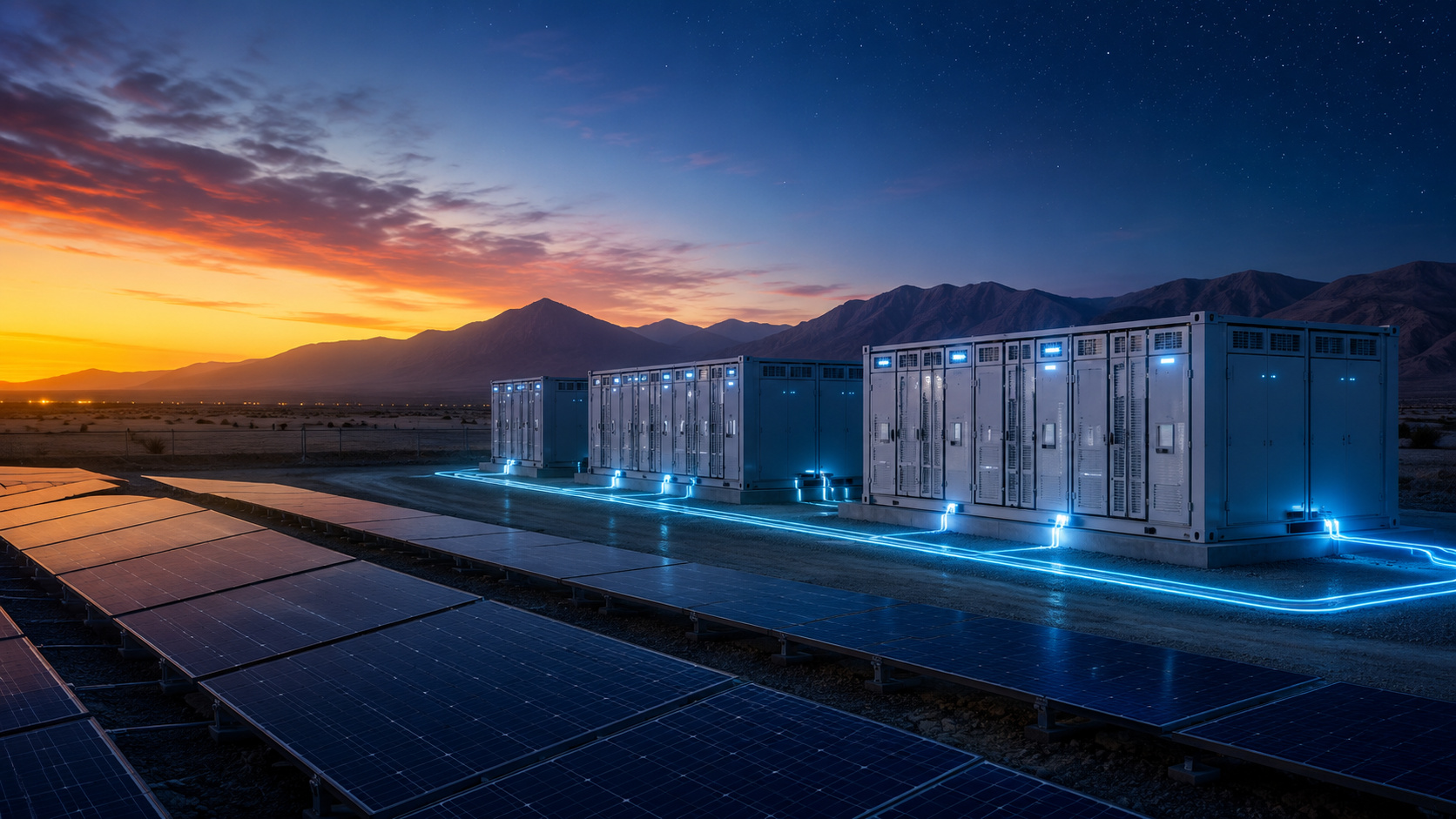
Giant Batteries Take Center Stage in Chile Auction as Company Offers 960 GWh of Solar Energy for Nighttime Use, Aiming to Stabilize Solar Power Supply


The digestion process at the Minas Gerais factory will operate continuously, functioning throughout the 365 days of the year. This approach will allow Unilever to maximize efficiency in biogas production, contributing to the reduction of conventional energy consumption and greenhouse gas emissions.
The company’s representative explained that the digestion process carried out at the Minas Gerais factory is similar to home composting, but on a larger scale. This method utilizes microorganisms to decompose organic waste and produce biogas as a result of the fermentation process. The biogas generated is then used as a source of thermal energy, replacing fossil fuels and contributing to the reduction of the factory’s carbon footprint.
Green Economy
Initiatives like the adoption of energy generation from waste, through biogas, by Unilever in Minas Gerais are aligned with a growing movement among companies seeking a more “green” and sustainable economy. The concept behind this approach is circular economy.
According to Professor Rafael Farinassi from the Department of Environmental Engineering at the Federal University of Lavras (Ufla), circular economy seeks to break away from the traditional linear production model, in which resources are extracted, transformed into products, and then discarded as waste. In contrast, circular economy proposes the efficient use of resources, promoting reuse, recycling, and material recovery.
In this context, energy generation from waste—thermal energy—stands out as a practice that contributes to closing the material cycle, preventing organic waste from being simply discarded. By using these wastes as a source of energy, companies like Unilever, implementing in Minas Gerais, are reintroducing them into the productive chain, transforming them into valuable resources.
This approach brings both environmental and economic benefits. By avoiding resource waste and waste generation, companies reduce their environmental footprint and decrease reliance on finite natural resources. Furthermore, circular economy stimulates innovation and the creation of new sustainable business models, generating economic opportunities and green jobs.
The Practice Of Green Economy And The UN
The practice of circular economy through thermal energy is also aligned with the Sustainable Development Goals (SDGs) established by the United Nations (UN), such as Goal 12 – Responsible Consumption and Production. By adopting this approach, companies contribute to the achievement of these goals, promoting sustainability in their operations and positively impacting society and the environment.
Therefore, initiatives like energy generation from waste by Unilever in Minas Gerais represent an important step in the transition to a more circular and sustainable economy. These practices reflect the growing awareness among companies about the need to adopt business models that promote the preservation of natural resources and sustainable development.