






 Portuguese
  Spanish
 3 min of reading
  0 comments


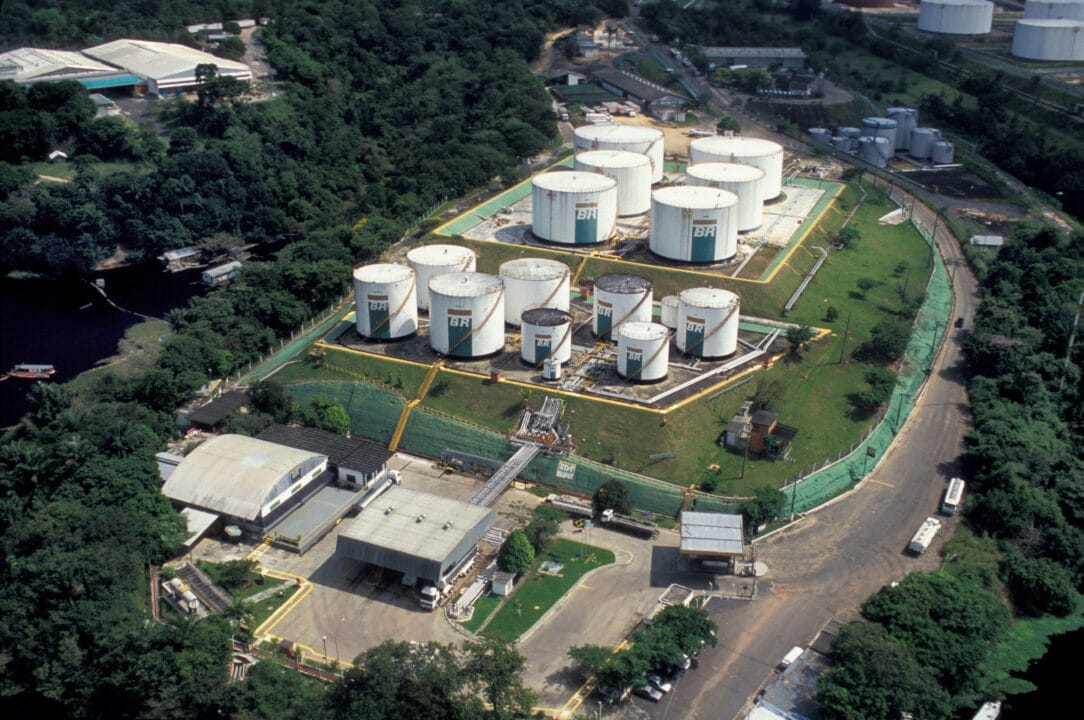
Group Acquires Isaac Sabbá Refinery and Enters Oil and Gas Exploration in the Amazon Basin, Including Pipeline Construction and Aquatic Terminal.
Atem Participações, the group that acquired the Isaac Sabbá Refinery (Reman) from Petrobras in Manaus (AM), expanded its horizons to the oil and gas exploration and production sector this Wednesday (12/13), by acquiring its first exploratory blocks, with a focus on the Amazon Basin.
The Atem group, as operator, secured four blocks in the SAM-O sector. These areas represented an investment of R$ 7.8 million in signature bonuses.
Atem Participações also became a minority partner in Eneva (80%) to acquire the marginal accumulation area Japiim, also in the Amazon Basin, for R$ 165 thousand.
-
IEA reduces forecast for global oil demand in 2026 after impacts of the Middle East crisis

-
Bank of Japan raises interest rates to 1%, reaching the highest level in over three decades

-
ANP halts LPG reform, and Sindigás sees technical caution as a decisive point for safety, investments, and the future of the cylinder in Brazil.
-
Oil spill in the Caribbean raises environmental alert and increases tension between Venezuela and Trinidad and Tobago





Atem: Expansion in Verticalization Strategy
This was yet another significant step for Atem in the strategy of verticalizing its business, highlighting its entry into the first exploratory blocks in the Amazon Basin. The company, traditionally known for operating in the fuel distribution market, has expanded its operations into the refining sector, with the acquisition of the Isaac Sabbá Refinery (Reman) for US$ 189.5 million.
The Atem group, which now includes Eneva and the Isaac Sabbá Refinery (Reman), has been facing challenges during the antitrust review process of the acquisition. Cade approved the transaction, but with restrictions aimed at safeguarding free competition and market plurality.
Moreover, Atem Participações, as a operator in the fuel sector, has sought a verticalization strategy that highlights significant marginal accumulation in the Amazon Basin, reinforcing its market position.
The company will be subject to structural and behavioral remedies, which include issues regarding the construction of pipelines, aquatic terminal, and independent logistic operator. These measures aim to ensure competition fairness and equal market access for all stakeholders.
Atem: Exploration in the Amazon Basin and Verticalization of Business
With its consolidation in the Amazon Basin, Atem solidifies its presence as a refining and distribution company, strategically operating throughout the national territory. The acquisition of Reman marks an important milestone in this expansion trajectory.
Atem, in its commitment to free competition and market plurality, demonstrates the ability to face regulatory challenges, marking its position as a consolidator in the fuel distribution market. The refining company is prepared for the implementation of structural and behavioral remedies, ensuring competition fairness and maintaining a competitive market.
Atem Participações: Expansion and Verticalization Strategy
Atem Participações reinforces its position in the fuel distribution market, expanding its activities into the refining sector. The acquisition of Reman for US$ 189.5 million highlights the company’s verticalization strategy, which now also operates as a refiner.
Atem shows its commitment to meet the conditions established by Cade, including the implementation of structural and behavioral remedies. Such measures aim to ensure a transparent and competitive distribution market, promoting equal access for all stakeholders. The company demonstrates readiness for the implementation of these conditions, showing resilience and adaptability to market demands.
Source: EPBR








Be the first to react!