






 Portuguese
  Spanish


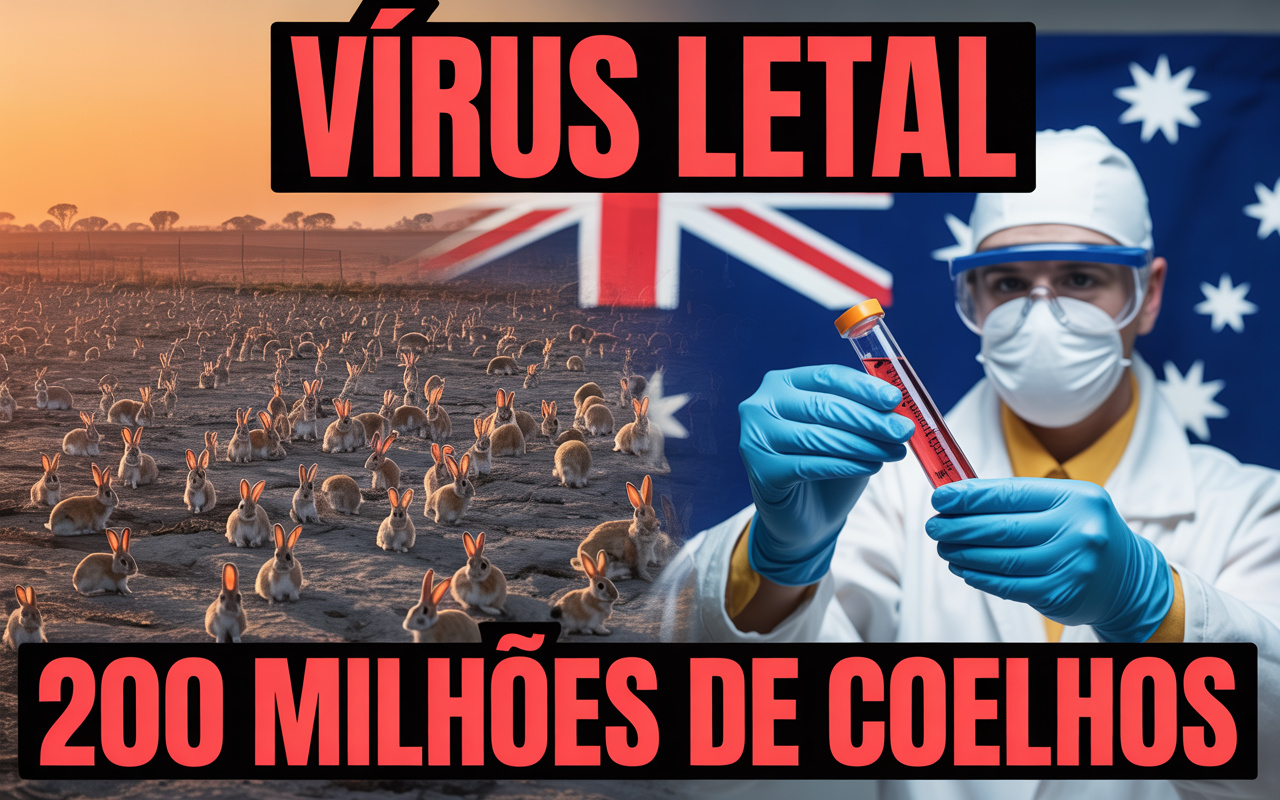


Australia Adopted An Extreme Measure By Deliberately Spreading A Virus To Contain Over 200 Million Wild Rabbits, Protect Agricultural Soils, Prevent Desertification, And Reduce Billion-Dollar Damage To The Country.
Few countries in the world have faced an ecological disaster as silent as Australia since the late 19th century. Initially introduced for recreational hunting, European rabbits exploded in numbers in a territory without natural predators to control them. Within a few decades, the population soared to numbers exceeding 200 million individuals, turning the animal into one of the most destructive invasive species in modern history.
The impact was devastating. Entire pastures disappeared, fertile soils were exposed to erosion, the regeneration of native vegetation collapsed, and entire regions began to show clear signs of accelerated desertification. In some areas of the Australian outback, the presence of rabbits drastically reduced vegetation cover, paving the way for dust storms and irreversible loss of soil nutrients.
Why Traditional Methods Failed To Control The Rabbits
Before resorting to a radical biological solution, Australia tried practically everything. Giant fences, intensive hunting, traps, poisoning, and ongoing physical control campaigns consumed billions of dollars throughout the 20th century.
-
India’s Sugar Export Cuts and Ethanol Shift Amid El Niño Threat Could Impact Global Prices and Stocks

-
Quarantine Pest Threatening Palm Trees Puts Brazilian Authorities on Alert, Prompts Monitoring at University of Taubaté and Potential Control Measures Across São Paulo
-
Global Alert: Report Finds 159 Pesticides in Coffee Beans Sold in Europe, Posing Serious Risks to Millions of Farm Workers
-
Low-Demand Brazilian Beef Offal Gains Popularity Abroad: Indonesia Purchases $19.5 Million, Boosting Revenue and Reducing Waste

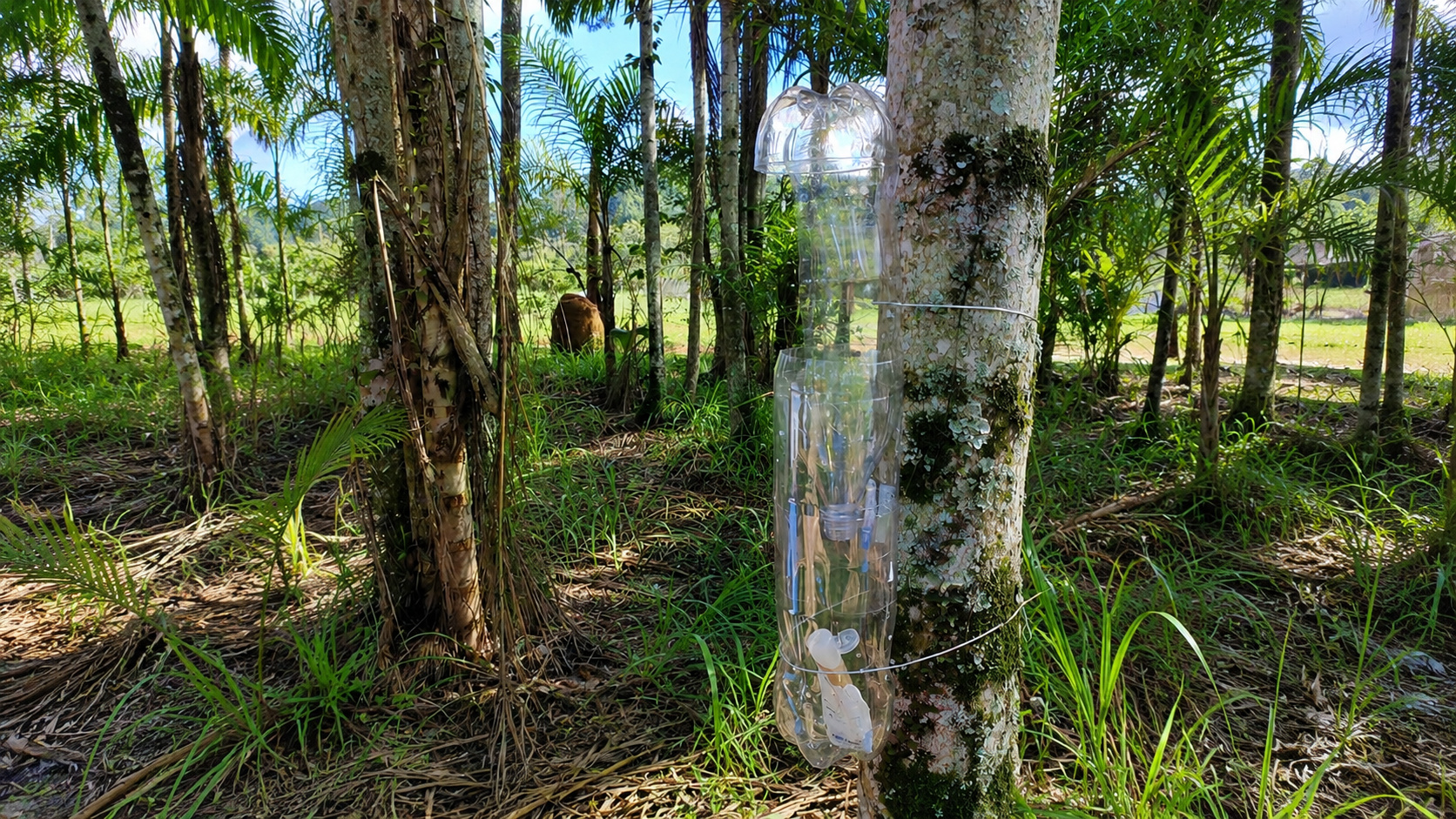


The result, however, was always temporary. The reproductive rate of rabbits is extremely high: a single female can produce dozens of offspring per year, making any population reduction quickly reversible.

In addition, the vast and largely remote Australian territory made logistical control nearly impossible. Even when local populations were reduced, neighboring areas served as a constant source of recolonization.
The economic equation became unsustainable: the damage caused by rabbits to agriculture, livestock, and rural infrastructure far exceeded the costs of any traditional control method.
The Extreme Decision: Deliberately Spreading A Virus
In light of this scenario, Australian scientists and authorities made a decision that would shock the world decades later: the deliberate use of a highly specific virus for rabbits as a population control tool.
The goal was not complete eradication, but rather to provoke a rapid population collapse sufficient to allow the recovery of degraded ecosystems.
The virus was chosen for a crucial technical reason: it affected exclusively European rabbits, posing no direct risk to humans, other native mammals, or domestic animals. It was myxomatosis, an infectious disease caused by a virus, myxoma, which is transmitted by mosquitoes.
Its dissemination occurred in a planned manner, with rigorous scientific monitoring and continuous environmental follow-up. Within a few years, the rabbit population plummeted from hundreds of millions to fractions of that number in various regions of the country.
Immediate Impacts On Soil, Agriculture, And The Landscape
The environmental effects of myxoma were rapid and visible. Areas previously reduced to exposed soil began to show natural regeneration of vegetation.
Native grasses returned, shrubs reappeared, and local wildlife began to find shelter and food again. Field studies recorded a significant reduction in soil erosion and a gradual improvement in water retention in agricultural areas.
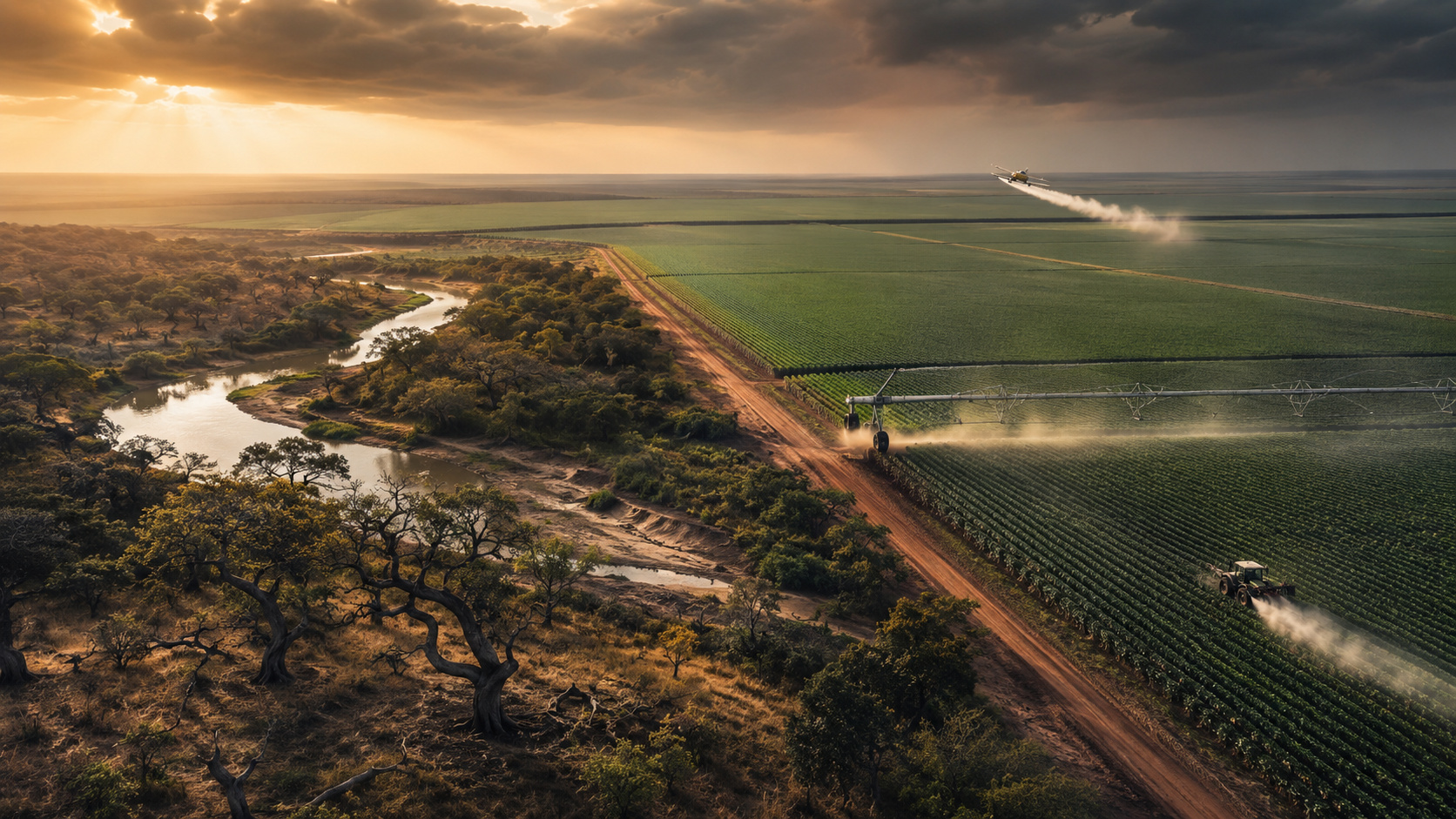
In agriculture, the gains were equally significant. Farms that had previously lost large areas of pasture to rabbits returned to productive operation.
The recovery of the soil reduced the need for constant replanting and decreased costs associated with nutrient loss. Economic estimates suggest that the strategy avoided billion-dollar annual losses, particularly in regions dedicated to extensive livestock grazing.
The Emergence Of Resistance And The Need For New Strategies
Over time, however, a new challenge emerged. Part of the rabbit population developed resistance to the virus, a phenomenon expected from an evolutionary standpoint. The mortality rate decreased and, in some regions, numbers began to rise again, although they never returned to the catastrophic levels of the past.
This forced Australia to adopt a more sophisticated and integrated approach. New variants of the myxoma virus were studied, always with extreme ethical and scientific care.
Meanwhile, the country reinforced physical barriers, soil management programs, and environmental restoration strategies, understanding that biological control could not act in isolation.
The Ethical And Scientific Debate On A Global Scale
The Australian decision became one of the most discussed cases in the world when it comes to controlling invasive species.
For some experts, it is an example of environmental pragmatism in the face of an imminent collapse. For others, it raises profound ethical questions about the deliberate manipulation of diseases as a tool for ecological management.
The scientific consensus, however, indicates that the Australian case is unique. The absence of natural predators, the continental scale of the invasion, and the extreme environmental damage created a situation without precedent. It was not a simple choice but a response to a problem that threatened to transform vast areas of the country into unproductive and ecologically impoverished landscapes.
A Precedent For The Future Of Invasive Species Control
Today, the Australian experience is studied by countries facing similar challenges with invasive species, from rodents on oceanic islands to insects that destroy entire forests.
The case demonstrates that, in extreme situations, equally extreme solutions may be considered — as long as they are based on solid science, rigorous monitoring, and continuous risk assessment.
More than an isolated episode, the strategy adopted by Australia has become a milestone in the history of modern conservation. It shows that the line between preservation and active intervention can be thin, especially when the cost of inaction threatens entire ecosystems, productive chains, and the very sustainability of a continental country.








How old is this article?? 20+years?? It is totally redundant without further addressing current control viruses. This is just ONE release of biological control and thus, paints a very unclear picture of what the story is today, firstly lets address the biological side of myxomatosis and we have not touched on calici, RHDV1 and RHDV2 as control devices. Now readers were only given the “box” with that story, not whats IN the box, what does myximatosis DO to a rabbit? Symptoms are general redness and swelling/redness/ulcers of the eyes, nose and genitals, blindness, breathing, loss of appetite leading to death. It affects their skin, eyes, lungs, liver and genitals, causing a prolonged and painful death. Calici bieng the “parent” of RHDV1 and RHDV2 they all act in a similar way, see the H? It stands for “Haemorrhagic” yes it attacks the liver, kidneys and other internal organs also causing bloodclots and internal hemorrages leading to again, painful death. Now dont misunderstand me here, introduction of these enviromental control methods WERE and ARE necessary to control, as the original article stated, an enviromental disaster that was NOT fixable with trapping, poisoning, hunting, fencing etc. What i am trying to do here is point out that the articl is INCOMPLETE.without reference to at least 3 other currently used biological control nethods, again, how old is this article???? I have domestic rabbits.
But like to stay informed. I am just a peon, so I won’t bother trying to impress here but, I felt I needed to point out the total lack of addressing the introduction of at LEAST 3 other not so pretty diseases/viruses that are playing their part. Hope this clears it up a bit 🙂