






 Portuguese
  Spanish


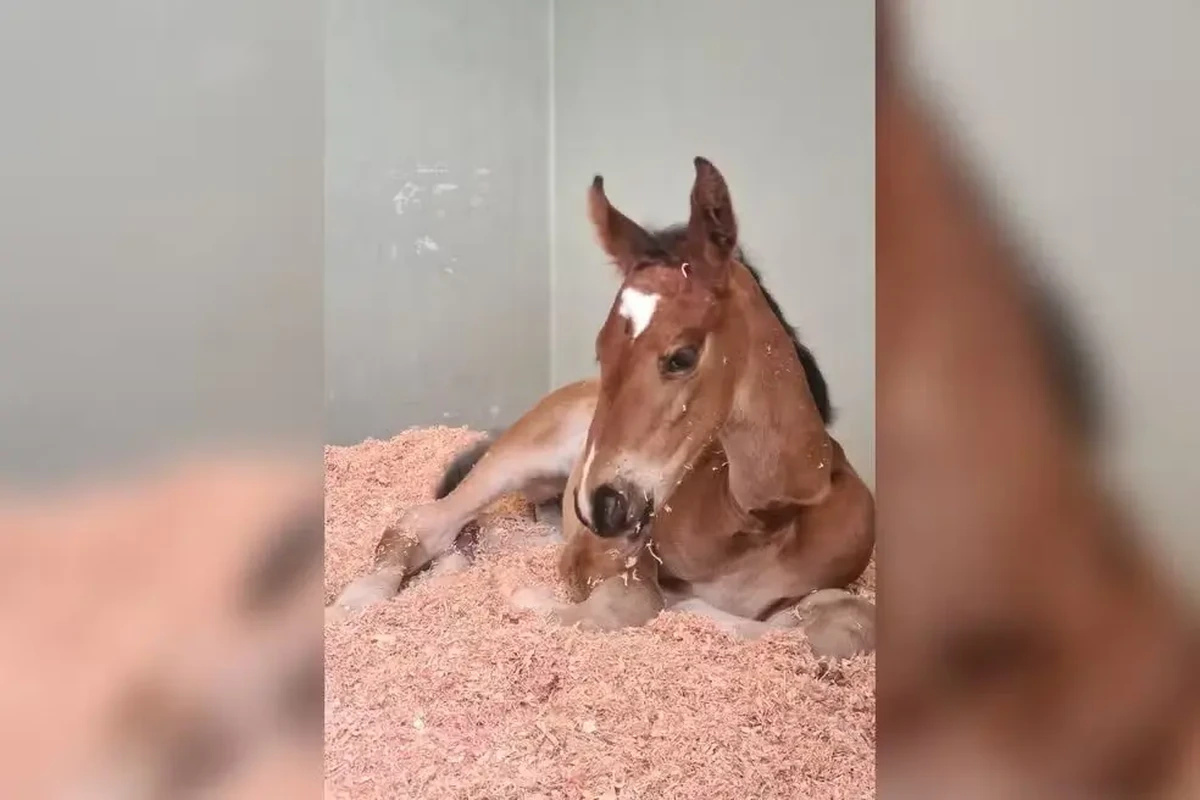

Brazil Registers First Clone of BH Breed: 8-Month-Old Filly Is Already Worth R$ 500 Thousand and Marks Historical Advance in Sport Horse Genetics.
A Historic Milestone for National Equine Breeding
In June 2025, Haras Rosa Mystica, in Salto de Pirapora (SP), announced the birth and registration of filly Magnólia Mystic Rose I — the first official clone of the Brazilian Sport Horse (BH) breed in Brazil.
Value and Investment
The complete process, from the collection of genetic material to the registration, involved international protocols and advanced equipment. The total cost was approximately R$ 500 thousand, including collection, tests, nuclear transfer, and veterinary care.
At just 8 months old (born on October 8, 2024), the filly is already considered a high-value asset for its potential in competitions and breeding.
-
Archaeologists Discover 2,300-Year-Old Beer in Sealed Bronze Vessel from Ancient Chinese Tomb

-
35,000-Year-Old Saber-Toothed Tiger Cub Found Intact in Siberian Permafrost, Whiskers, Claws, and Skin Preserved Since the Ice Age
-
Scientists Uncover “Amazon Stonehenge” with 127 Giant Rocks, Shedding Light on Indigenous Solar Observations Before European Arrival

-
Six-Year-Old Uncovers 400-Million-Year-Old Coral Fossil in Backyard, Revealing a Pre-Dinosaur Ocean World





Champion Genetics
The clone is genetic offspring of the renowned Magnólia Mystic Rose, mother of the international champion Miss Blue Mystic Rose, who brought Brazil to the podium in competitions such as Aachen, Hamburg, Fontainebleau, and Rolex of Rome in 2025.
Nilson Leite, owner of the Haras and a lawyer, states that cloning was both a technical strategy and an emotional gesture to preserve winning genetics.


How the Cloning Was Done
The procedure was carried out using nuclear transfer in oocyte (TN1), a sophisticated technique that replicates the original genetics and was applied following international protocols by the company In Vitro, from Mogi Mirim (SP).
After the embryo was implanted in a recipient mare, the gestation was strictly monitored until the birth in October 2024.
Strategic Purpose
Nilson emphasizes that cloning is a complementary tool, not a substitute for conventional breeding. The goal is to ensure high-performance genetic continuity without compromising traditional diversity and reproduction. Moreover, Law 15.021/2024 regulated the use of clones in agriculture, providing legal security and biosafety to the process.
Future Potential
At the haras, the filly shares the pasture with her dam and is under constant monitoring, with a career plan focused on both international competitions and elite breeding programs. At just 8 months, the expectation is that she will be ready for high-performance sports and, in the future, contribute as a source of superior genetics.
Why Is This Relevant?
- Marks a scientific advance in Brazilian agribusiness, allowing replication of cutting-edge genetics.
- Puts Brazil on the path of elite equine breeding, reducing dependence on imports and strengthening national breeding.
- Surprises by combining significant investment (R$ 500 thousand), favorable legislation, and modern technology.
- Opens doors for new cases of responsible and replicable cloning.
The registration of the filly Magnólia Mystic Rose I represents a double milestone: high-level genetic preservation and technological advancement in the country. With significant investment, legal backing, and scientific planning, Haras Rosa Mystica opens a new era in the breeding of sport horses in Brazil.
Did you already know about this clone?


