Portuguese
  Spanish


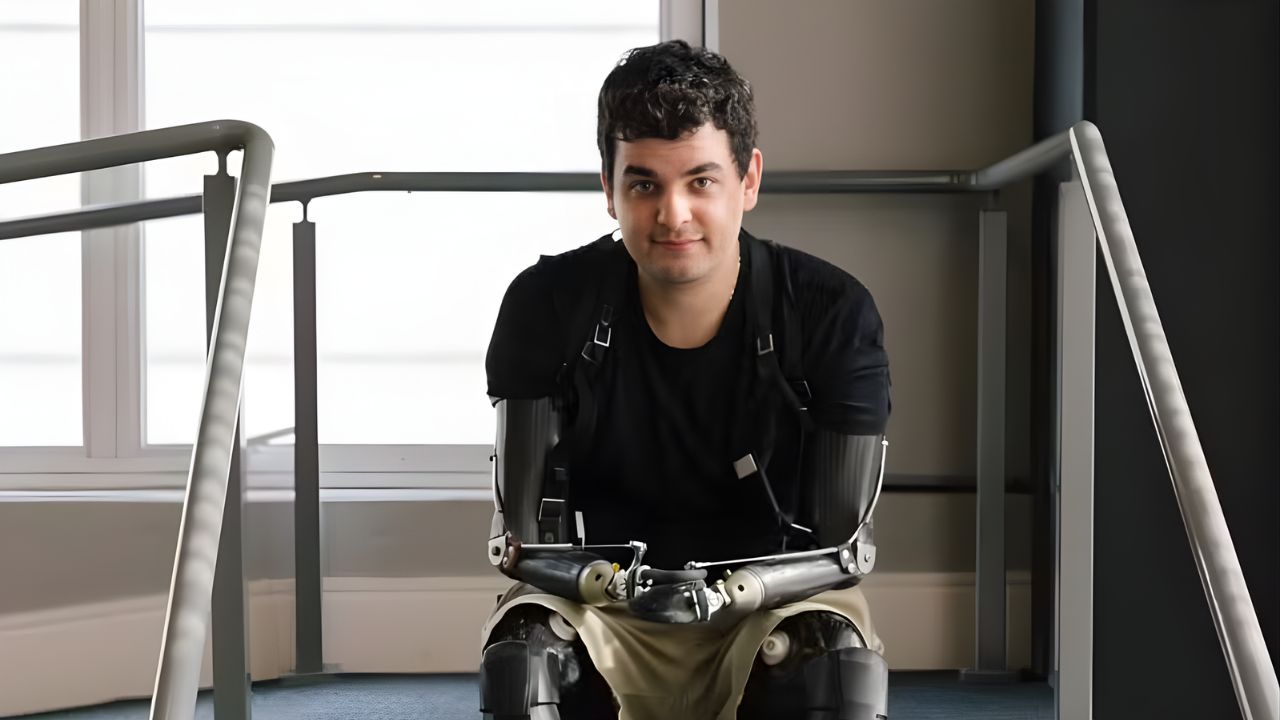


Pedro Pimenta Survived Meningococcemia, A Severe Infection Caused By The Bacteria Meningococcus, And Now Rebuilds His Life With Prostheses And Rehabilitation Clinic.
In September 2009, Pedro Pimenta, then 18 years old, faced a life-or-death battle after contracting a rare and aggressive form of infection from the bacteria Neisseria meningitidis, known as meningococcus.
Meningococcemia, which directly attacks the bloodstream, evolves rapidly and can kill in less than 24 hours. Pedro was alone at home when the first symptoms appeared: high fever, vomiting, and severe headache.
The situation worsened when purplish spots began to appear on his arms. A doctor called emergency services in time, but the infection had already caused septic shock, compromising circulation in the extremities.
-
Entrepreneur Turns Rio Cemetery Canteen into a Successful Snack Chain Generating $4.9 Million Annually and Expanding to Metro Stations

-
Rare fox feared “extinct” found alive on Caribbean island after over two decades without official sightings

-
21-Year-Old Brazilian Student Turns Homemade Popsicle Hobby into $100,000-a-Month Business

-
Australia Dumps Hundreds of Thousands of Tons of Gravel into Rivers to Restore Natural Barriers and Reverse 150 Years of Erosion





To save his life, the doctors had to amputate his arms and legs.
The Story Of Pedro Pimenta: Young Man Who Lost Arms And Legs After Fulminant Infection By Meningococcus
Quick Diagnosis Is Vital Against This Bacteria
Meningococcemia is a form of invasive meningococcal disease (IMD) that is extremely difficult to diagnose in its early stages.
The first symptoms — malaise, fever, nausea, and loss of appetite — are nonspecific and can confuse even healthcare professionals. “It’s an unpredictable disease, with a sudden onset and rapid progression,” explains Ana Medina, an immunologist at GSK.
Classic signs, such as purplish spots, neck stiffness, and mental confusion, appear only 8 to 15 hours after infection.
According to Marcos Gonçalves, president of the Alagoas Society of Pediatrics, patients with isolated sepsis — like Pedro — present the most severe cases, with an elevated risk of amputations due to tissue necrosis in the extremities.
After two comas — one lasting six days and the other 13 — Pedro woke up with severely damaged limbs. “My last memory was in the ambulance, but they told my family that I had less than a 1% chance of survival,” he recalls.
The use of medications to maintain vital organs worsened the lack of circulation in his extremities, making amputations inevitable.
In addition to the surgeries and physical trauma, Pedro faced hospital-acquired infections and depression. Without prospects for recovery in Brazil, he sought specialized treatment in the United States, beginning a rehabilitation process that seemed impossible.
Rebuilding Life After Bacterial Infection
Today, Pedro walks with robotic prostheses and lives independently. He founded the Da Vinci Clinic, a facility specializing in rehabilitation for amputees, and works as a speaker, raising awareness about the risks of the disease.
Although he became sterile, he became a father through in vitro fertilization, showing that it is possible to overcome serious challenges posed by the bacteria.
The Rare Bacteria And Its Prevention
The bacteria Neisseria meningitidis has 13 serogroups, of which six (A, B, C, W, X, and Y) are more common.
In Brazil, the mortality rate for meningococcal meningitis reaches 22%, higher than the global average of 10%. In 2023, 2024, and 2025, confirmed cases of IMD have increased, highlighting the importance of prevention.
Transmission occurs through respiratory droplets and close contact, such as coughing, sneezing, kissing, or sharing personal items.
Adolescents and young adults can be asymptomatic carriers, becoming the main transmitters.
Vaccination And Care
Vaccination is the most effective form of protection against meningococcemia.
The National Immunization Program (PNI) offers meningococcal C vaccines for infants and ACWY vaccines for adolescents, while specialists recommend expanding protection with the B vaccine and boosters during adolescence.
Avoiding crowds, maintaining well-ventilated environments, and not sharing personal items are complementary measures to reduce the risk of contagion from the bacteria.
Source: Galileu Magazine