Portuguese
  Spanish


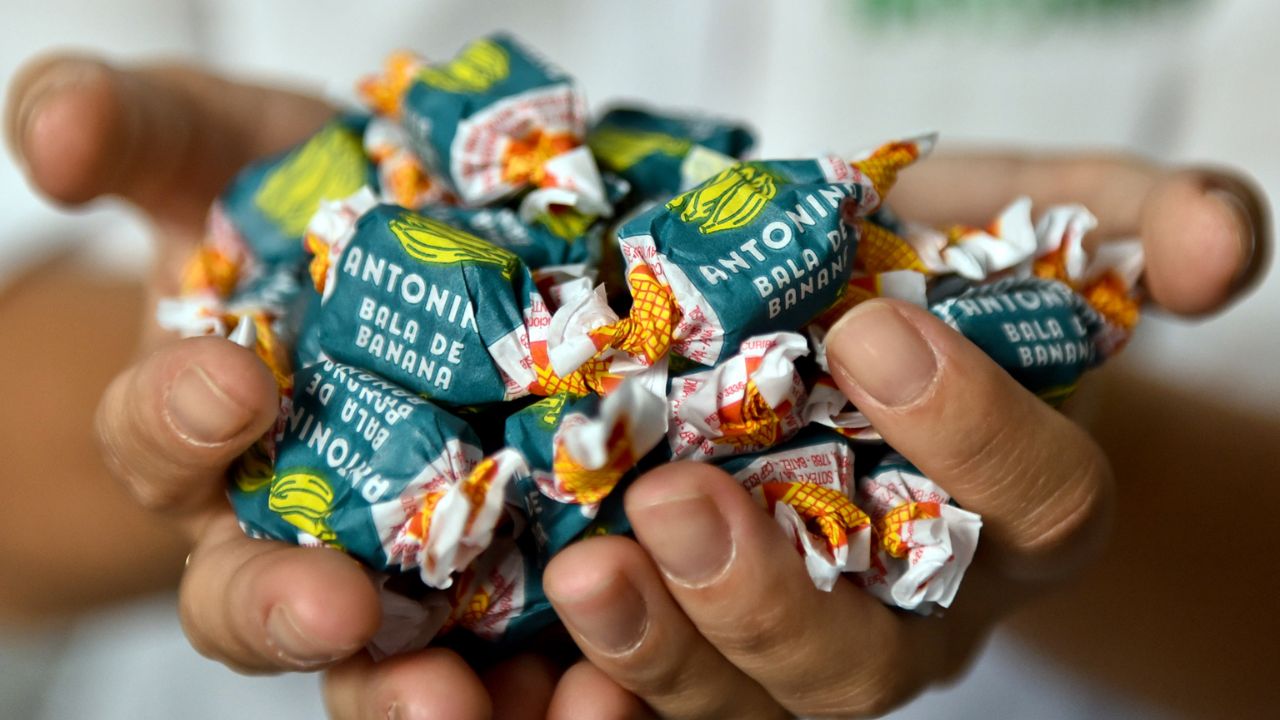

Banana candy created on the coast of Paraná transforms family tradition into a million-dollar business and nationally recognized cultural symbol.
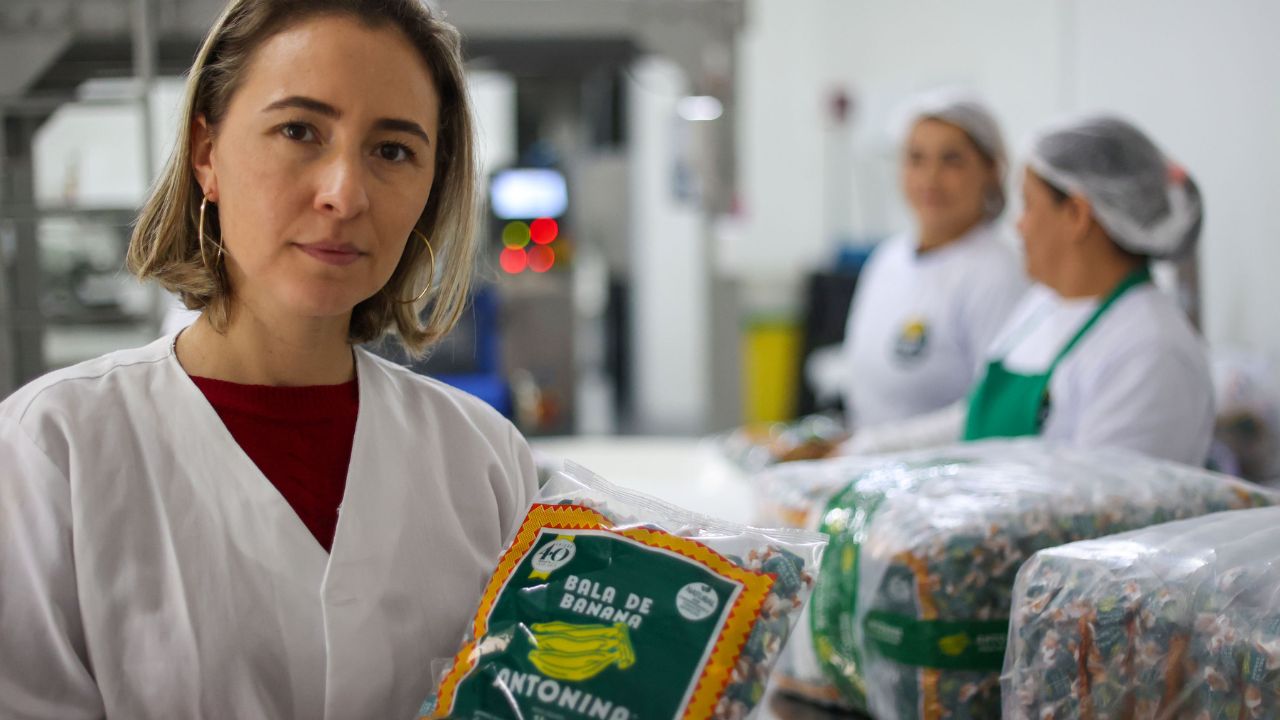
Produced in Antonina, on the coast of Paraná, the banana candy has surpassed the status of a simple regional sweet to become an important cultural, tourist, and economic symbol. With nearly five decades of history, the brand associated with the product ended 2025 with a revenue of R$ 5 million, producing about a ton daily and already planning to expand its structure to meet a demand that continues to grow.
The business’s advancement occurs at a time when many traditional brands face difficulties in maintaining relevance amid market transformations. In Antonina, however, the combination of tradition, regional identity, digital presence, and appreciation of local production has helped strengthen the product’s connection with consumers of different generations.
Officially recognized as the National Capital of Banana Candy through Law 15.237, the city sees the sweet as one of the main elements of its identity, as reported by Compre Rural.
-
Brazilian Civil Servant Earns $2,800 Monthly but Seeks Legal Help as Bank Loans Consume Nearly 80% of Income

-
Brazilian Pet Industry Giant with $6 Billion Valuation Targets 24 Million Customers, Launches Franchise Model with Six Revenue Streams and $7.80 Subscription Plan for National Expansion

-
Daughter of a Mechanic, Roberta Pirolla Turns Passion for Cars into a Million-Dollar Vehicle Wrapping Business Set to Grow 75% in a Male-Dominated Industry

-
At 30, Thyago Plácido turned Innova into a solar energy operation serving central Brazil with over 300 projects completed.


Banana candy maintains characteristics that have spanned generations
The company’s origin dates back to December 24, 1979. However, the activity that gave rise to the business was not initially related to the candy segment. The Corrêa family had moved from Santa Catarina to the coast of Paraná with the aim of investing in a palm heart factory. However, the venture did not progress as expected.
In this scenario, the proposal arose to combine two striking characteristics of the region: the abundance of banana production and the constant flow of tourists interested in acquiring traditional coastal products.
To create the recipe, the founders turned to the knowledge of a confectioner popularly known as “Seu Zezo.” From this partnership, a formula was born that, with few changes, continues to be used to this day.
In the early years of activity, sales were carried out quite modestly, mainly concentrated in establishments located along the BR-277, the highway that connects the capital of Paraná to the coastal cities.
With the growth of the business and the expansion of the company’s structure, several characteristics that marked its origin were maintained, preserving the identity built over the decades.
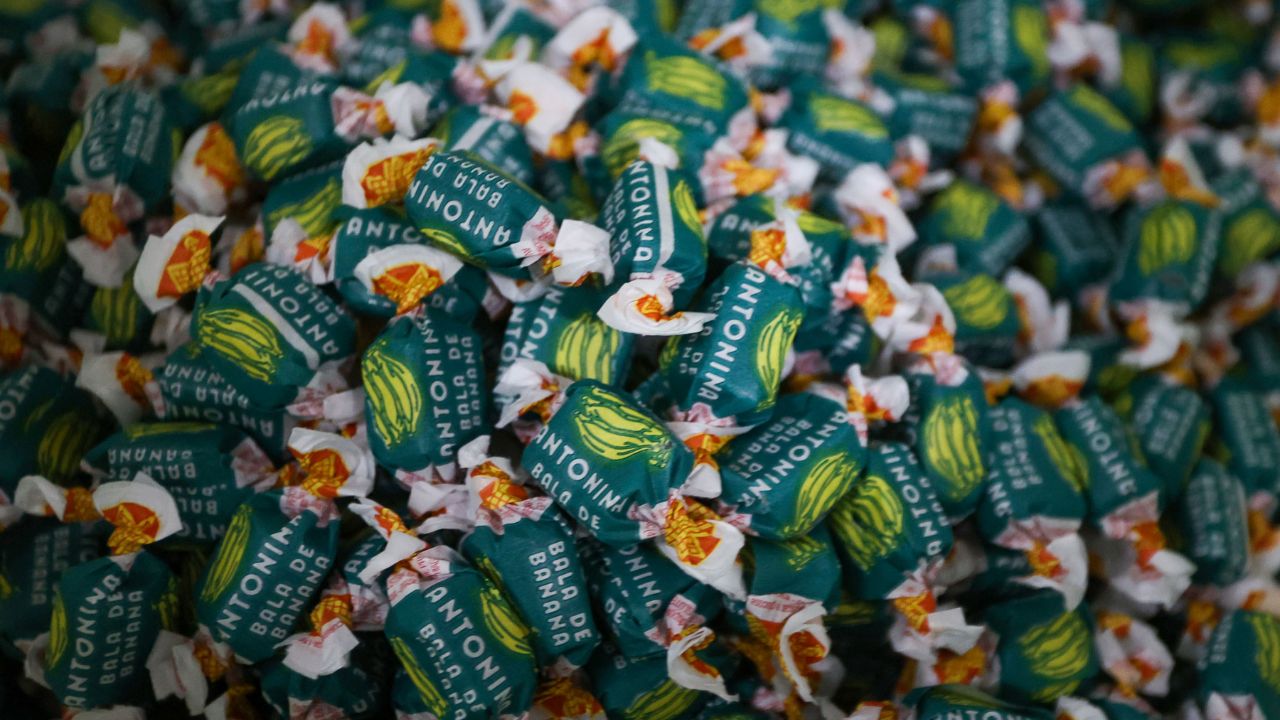
The paper packaging, for example, continues to be part of the product’s visual identity. This characteristic helped make the candy easily recognizable to consumers, who began associating it with the traditional “green paper.”
Additionally, an important part of the manufacturing process still relies on the accumulated experience of the professionals involved. The cooking control still requires human supervision to achieve the desired characteristics of the candy, preserving aspects that have marked the brand’s trajectory since its inception.
Family succession marked a new phase for the company
The entry of the third generation into leadership brought significant changes to the organization. After the passing of the family patriarch, which occurred approximately 14 years ago, siblings Rafaela Takasaki Corrêa and João Soter Corrêa took over the company’s management.
The initial period was dedicated to maintaining existing operations. Only afterward were changes aimed at modernizing management and strengthening the administrative structure implemented.
Among the main transformations carried out are:
- Creation of new internal leaderships;
- Distribution of responsibilities among managers;
- Improvement of operational processes;
- Investments in the brand;
- Expansion of digital presence;
- Gradual update of the production structure.
Currently, the management includes five managers, in addition to the siblings responsible for the business. Commenting on this process, Rafaela highlighted: “We moved from a completely centralized structure to a more distributed management.”
Family farming finds space in the production chain
The growth of banana candy also had positive effects for rural producers on the Paraná coast. The company works with a network of approximately 50 to 100 small farmers. Many of them are located in Guaraqueçaba, a municipality known for its access difficulties.
To ensure supply, the company maintains its own fruit collection system, allowing more isolated communities to market their production.
The caturra variety is the main raw material used. Only during periods of low regional supply is there a search for suppliers from other locations. This model helps strengthen traditional economic activities in the region and expand opportunities for family farmers.
Banana candy and the challenge of production expansion
Despite the increase in demand, expanding manufacturing capacity is not a simple task. One of the difficulties faced is related to the equipment used in the production process.
The characteristic consistency of the candy does not easily adapt to conventional industrial lines. For this reason, the company had to adapt old machines to continue producing the candy without modifying aspects considered essential to the recipe.
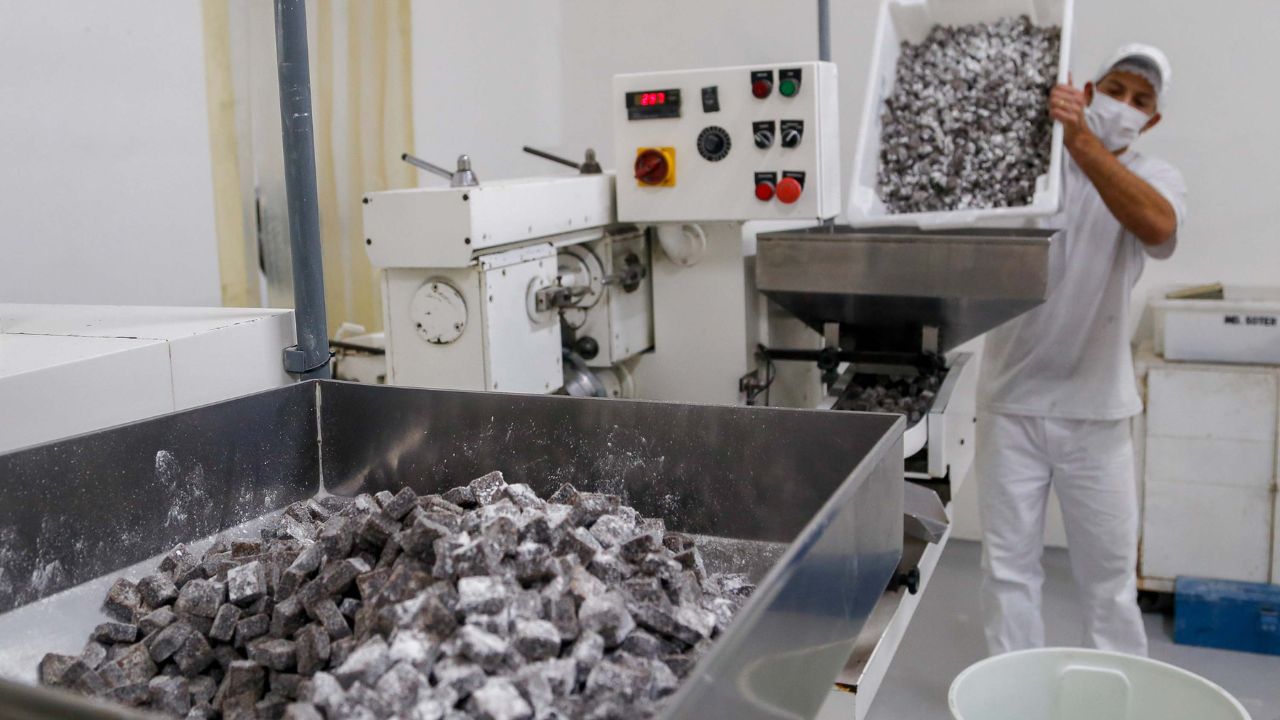
Some cutting equipment has been in operation for over 45 years. Even after adjustments to meet current safety requirements, they continue to play an important role within the factory.
Banana candy Antonina: Social media expanded the brand’s reach
Digital presence has become one of the most important tools for the company’s recent growth. Although activity on social media has been ongoing for over ten years, the reach gained strength with the dissemination of content related to the production behind the scenes.
Instead of focusing solely on promotional campaigns, the strategy began to highlight employee stories, work routine, and narratives linked to the brand’s tradition.
A video released in April reached over 1.3 million views on Instagram by showing the length of time employees have been with the company. The content reinforced the emotional connection built between consumers, workers, and the product.
Another strategy adopted in recent years was the creation of collaborations with companies from Paraná. These initiatives resulted in different products inspired by the brand, expanding its presence in various segments.
Among the developed items are:
- Craft beers;
- Panettones;
- Easter eggs;
- Customized products;
- Themed cosmetics.
According to Rafaela, the main goal of these partnerships is to increase brand recognition and expand its national presence.
National recognition strengthened the regional product
The journey of the banana candy received an important institutional boost in 2020. That year, the product received the Geographical Indication (GI) seal, granted by the National Institute of Industrial Property (INPI).
The recognition identifies products that have characteristics directly related to the place where they are produced. With this certification, the candy produced in Antonina became part of the group of Brazilian foods officially associated with their regions of origin.
Plans include new factory and diversification
The continuous increase in sales led the company to work very close to its maximum production capacity, with a large portion of the items already negotiated before even leaving the production line. In the physical unit, each customer spends, on average, about R$ 60 per purchase, while in online sales the average value rises to approximately R$ 120.
To keep up with the growing demand, the company outlined an expansion plan that includes the construction of a new factory, the creation of a concept store, and the expansion of the product line.
Among the new developments are sugar-free versions and creamy sweets made from bananas. The strategy also includes strengthening licensing partnerships to expand the brand’s presence in the market. The new structure is expected to be operational by 2027.
More than an industrial activity, the production of banana candy has come to play a significant role in valuing the coast of Paraná.
The product has become a reference associated with emotional memory, regional gastronomy, and local tourism. While preserving characteristics inherited from its artisanal origin, the brand seeks to expand markets, strengthen its digital presence, and invest in new projects.


With nearly fifty years of history, the banana candy produced in Antonina demonstrates how a regional product can cross commercial borders and become a representative element of the culture, economy, and identity of an entire region.
With information from Compre Rural