






 Portuguese
  Spanish


Built by Navantia at the Cartagena shipyard, the S-82 Narciso Monturiol will be evaluated in propulsion, energy generation, maneuvers, diving, communication, sensors, sonar, and armaments before entering service, while the future installation of the AIP system promises to expand its autonomy, discretion, and operational flexibility.
The S-82 Narciso Monturiol attack submarine, the second unit of the S-80 Plus class, has officially begun sea trials before delivery to the Spanish Navy. This phase will assess performance, safety, and functionality under real operating conditions.
Built by Navantia at the Cartagena shipyard, the submarine is part of the program created to replace the old Agosta class models. The project is considered one of the most advanced defense projects in the country.
Attack submarine undergoes comprehensive evaluations
During the sea trials, the S-82 will undergo a sequence of checks. The teams will analyze propulsion, energy generation, maneuvers, diving, surfacing, navigation, communication, sonar, sensors, and weapon integration.
-
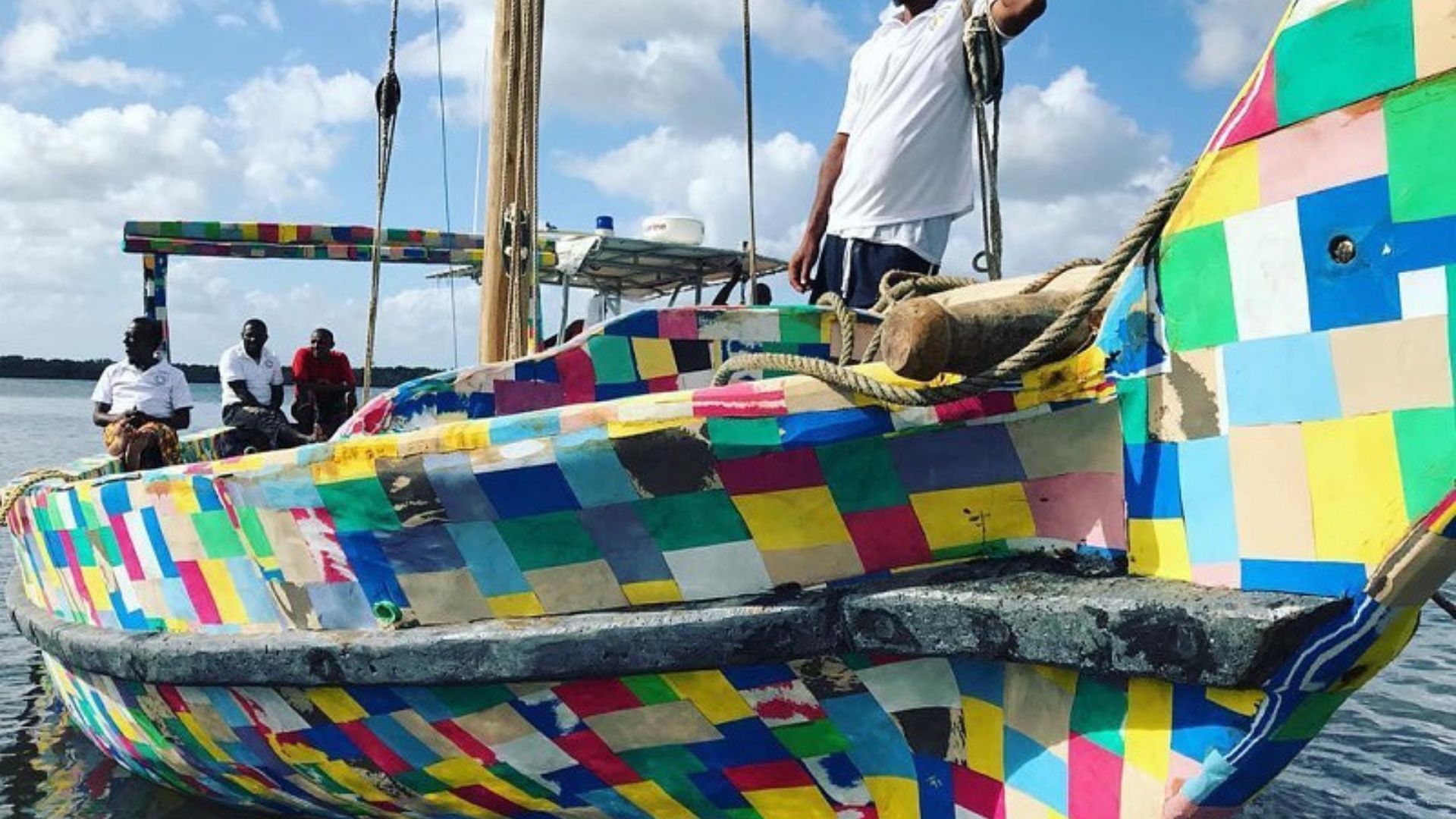
Boat Made from 10 Tons of Plastic and 30,000 Discarded Flip-Flops Sails Along African Coast, Serving as a Floating Classroom on Ocean Pollution

-
Welder Discovers 16th-Century Diamond Ring in England After 7 Hours with Metal Detector; Gold Jewel Linked to Edward I Pattern Auctioned for £17,000
-
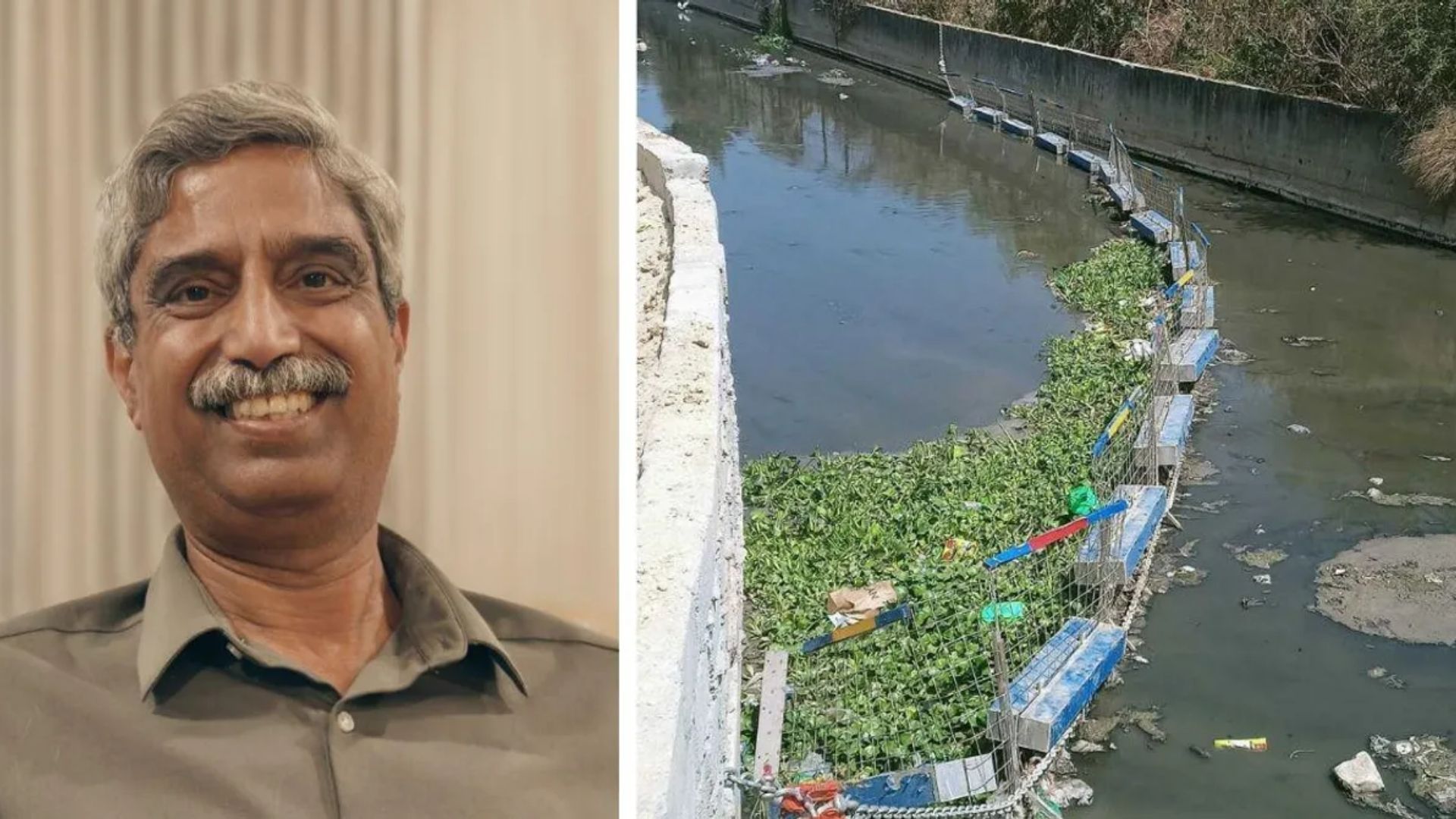
Former Merchant Marine Captain Invents Fuel-Free Barrier, Removes 20,000 Tons of Trash from Chennai Rivers
-
14-Year-Old Maxim Harris Turns School Project into Anti-Rage Gaming Accessory, Sells 1,000 Units Across 46 U.S. States, Donates 20% of Profits to Charity


Navigability will also be observed. The goal is to confirm whether operational and safety requirements have been met before incorporation into the active service of the Spanish fleet.
The S-82 measures approximately 81 meters in length and displaces about 3,000 tons when submerged. The vessel can accommodate a crew of about 32 people, in addition to offering additional space for special operations teams.
S-80 Plus class designed for multiple missions
The S-80 Plus class was developed for anti-submarine warfare missions, combat against surface vessels, intelligence, surveillance, reconnaissance, maritime interdiction, mine laying, and special forces transportation.
The attack submarine features a modern combat management system, an advanced sonar suite, and low acoustic signature. These characteristics are designed to enhance survivability and efficiency in contested maritime environments.
Its armament includes heavy torpedoes and anti-ship missiles launched from six 533-millimeter tubes. This configuration allows it to engage surface ships and adversary submarines in various scenarios.
AIP System Should Extend Submerged Autonomy
One of the features planned in the program is the Spanish Air Independent Propulsion system, known by the acronym AIP. The technology was developed to allow the submarine to remain submerged longer without relying on battery recharging.
The first units are entering service without full integration of the AIP. The system is expected to be installed in future upgrades, enhancing operational flexibility and reducing the need for exposure during missions.
The program faced years of delay due to design issues, including difficulties related to buoyancy and weight distribution. The flaws required modifications before construction could continue.
Despite the setbacks, Spain incorporated the first submarine of the class, the S-81 Isaac Peral, in 2023. The entry into service validated project technologies and marked the program’s resumption.
The tests of the S-82 reinforce Spain’s intention to preserve its submarine construction capability, support its defense industry, and increase participation in North Atlantic Treaty Organization operations.
What catches your attention most about the S-82: the 3,000-ton displacement, the set of armaments, the low acoustic signature, or the future adoption of the AIP system? Leave your opinion in the comments and say which of these capabilities could have the greatest impact on Spain’s submarine operations.


