






 Portuguese
  Spanish
 3 min of reading
  0 comments


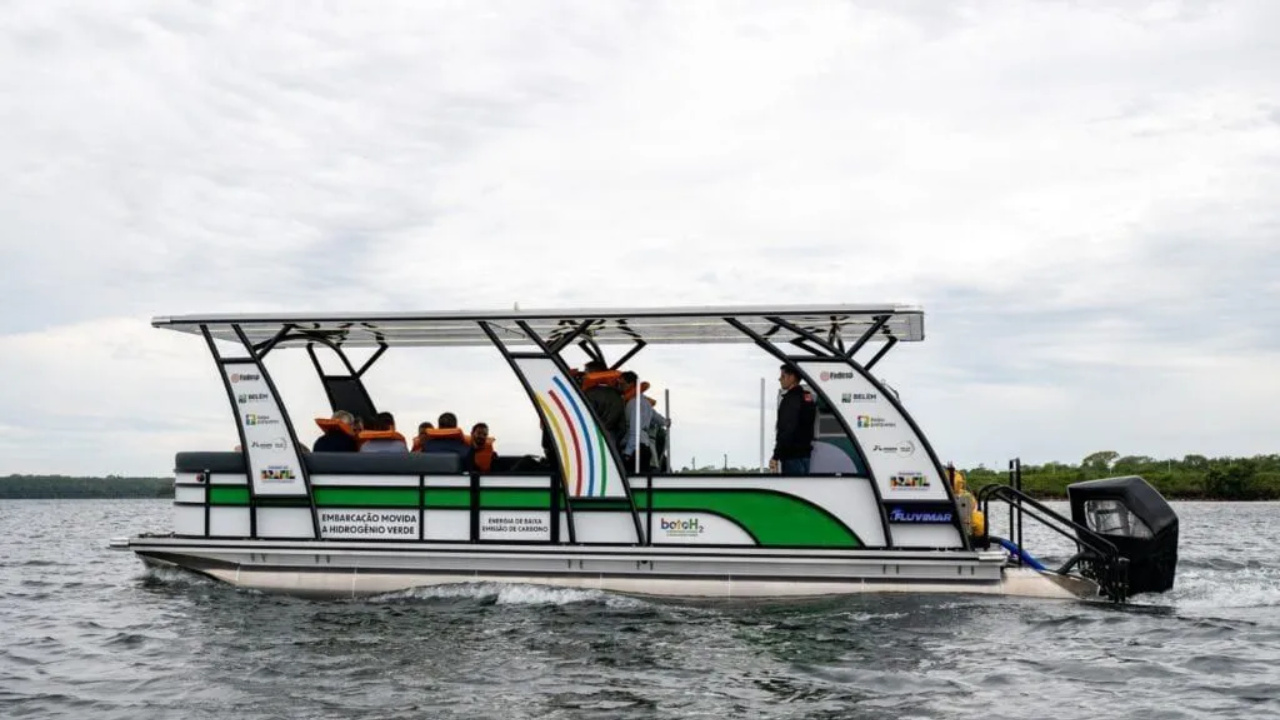
Innovative Hydrogen-Powered Boat Debuts in Belém During COP30 and Promises to Transform Riverine Recycling, Unifying Clean Energy, Sustainable Technology, and Positive Social Impact.
The arrival of a completely hydrogen-powered boat in the Guajará Bay marks a decisive moment for the energy transition in the Amazon. Developed by Itaipu Binacional in partnership with Itaipu Parquetec, the “Boto H2” was presented during COP30 in Belém and quickly became a symbol of sustainable innovation in the region. In addition to sailing without emitting carbon, the silent engine of the vessel allows for clear hearing of the water sound — a stark contrast to traditional models.
This launch, therefore, demonstrates how hydrogen is gaining relevance in decarbonization policies, while simultaneously paving the way for new social and environmental solutions in the Amazon.
Clean Energy and Hydrogen: Structure Redefining Riverine Transport
According to André Pepitone, financial director of Itaipu Binacional, the boat is the result of 15 years of research, reinforcing its strategic nature. “We have reached this model that makes the intelligent transformation of hydrogen into electric energy with zero carbon emissions,” says the director.
-
Brazilian scientists are simultaneously advancing two research projects on clean hydrogen and driving solutions that could transform the energy matrix, enhance industrial competitiveness, and accelerate large-scale emission reduction targets.

-
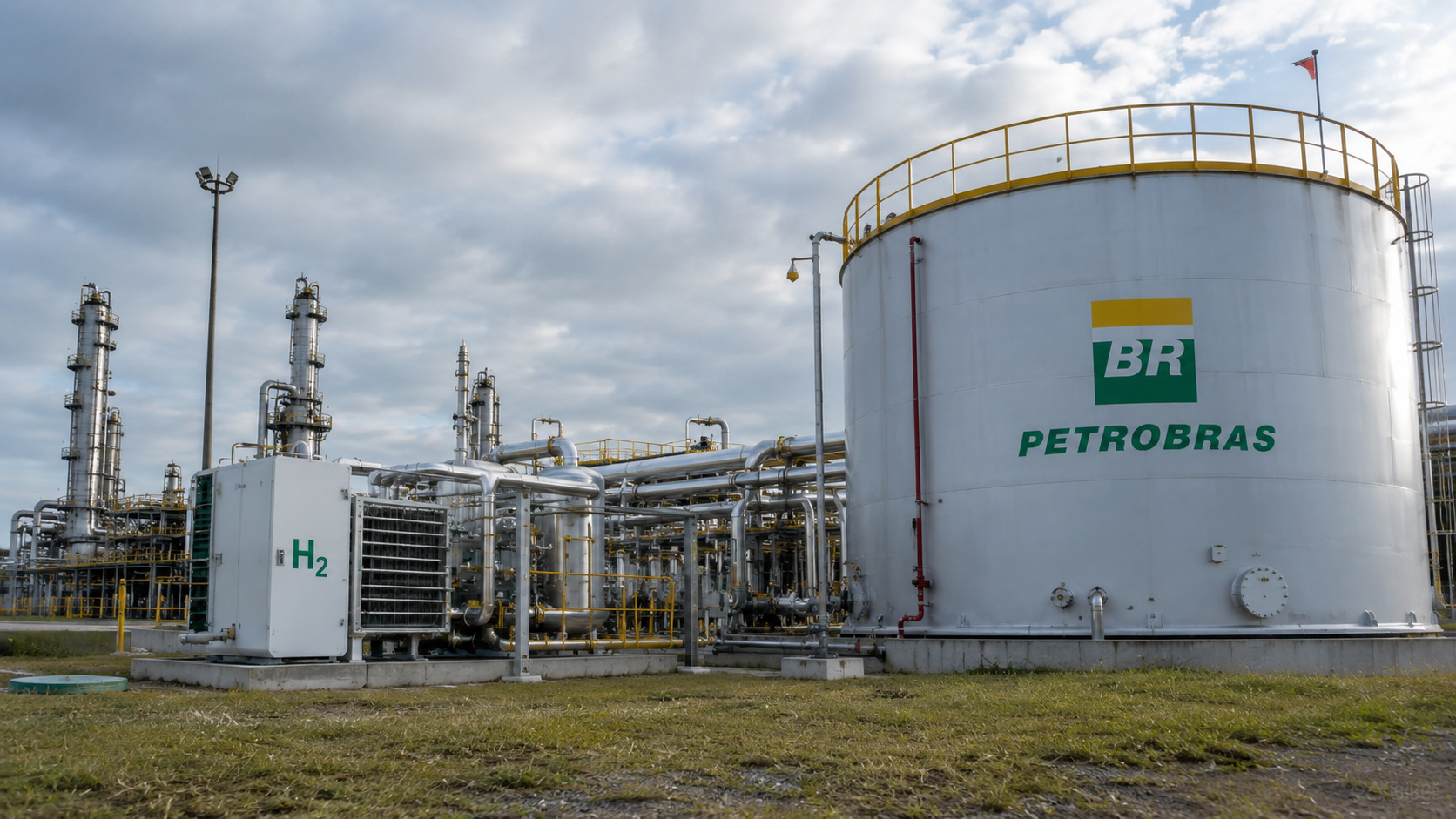
Advancement in renewable energy: A R$ 150 million project launched by Petrobras and Finep aims to create state-of-the-art electrolyzers for green hydrogen, strengthening national research and preparing Brazil to compete in a billion-dollar energy market.
-
Illiterate or semi-literate grandmothers were trained to repair solar systems, open rural workshops, and light up homes that still depended on kerosene.
-
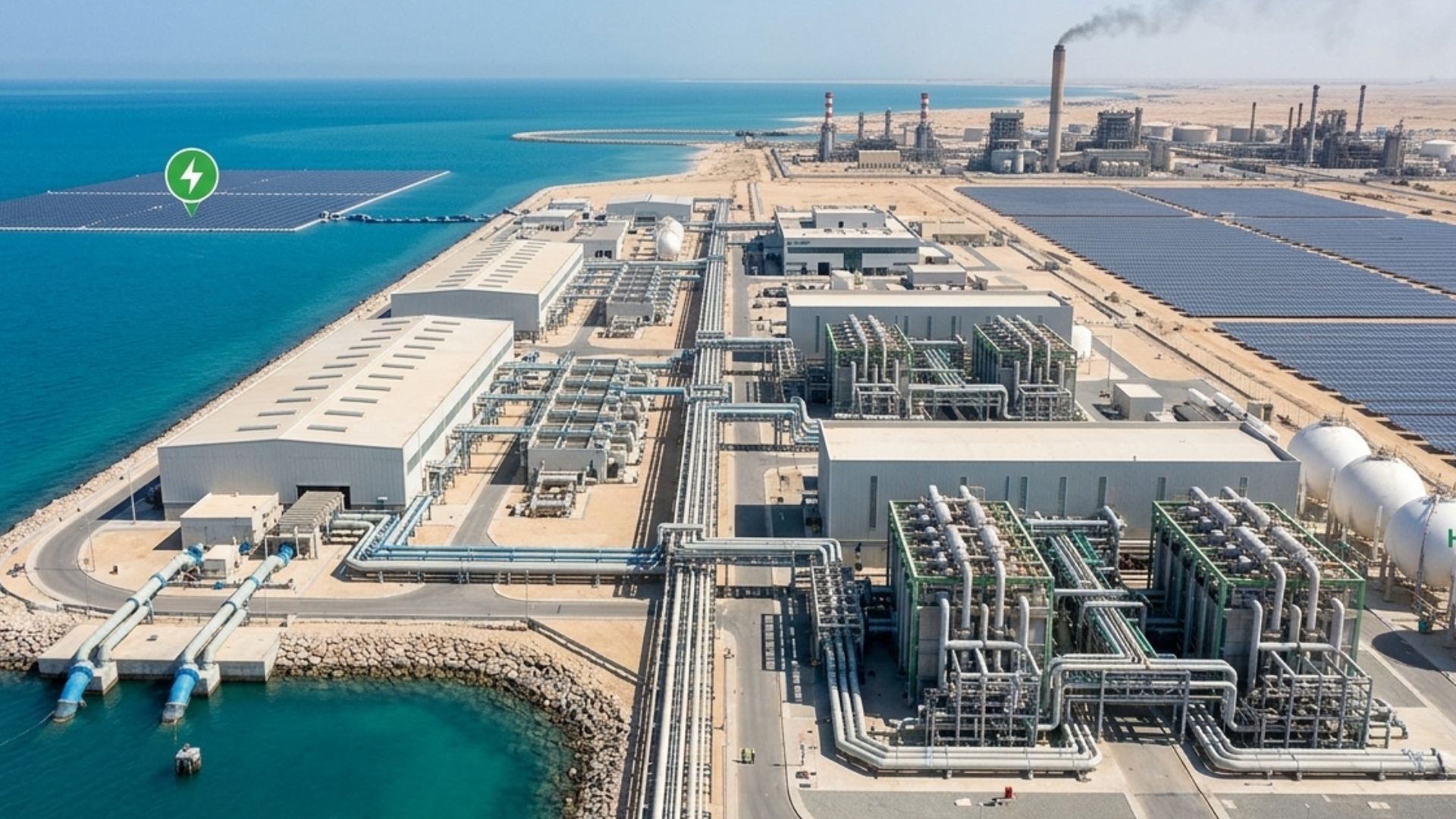
The world has bet on green hydrogen as the fuel of the future, but now faces the side effect: producing 1 kilogram requires about 9 liters of ultrapure water, and the largest projects on the planet are precisely in the driest regions of the Earth, where water is already scarce for people.



The vessel weighs one and a half tons, is 9.5 meters long and 3 meters wide, and is constructed from aluminum to ensure lightness and strength. Its transport capacity reaches 9 tons, enhancing its potential for use in intensive routines, such as the recycling efforts of riverine communities.
Three Energy Sources Complement Each Other in the System:
- Hydrogen stored in cylinders that power the electric engine;
- Solar energy, captured by panels on the roof;
- Battery, activated in emergency situations.
According to Guilherme Nabeyama, the Boto H2 has a range of three hours on hydrogen and an additional three hours on solar energy, ensuring continuous operation even on long journeys.
Social Legacy: Hydrogen Helping to Boost Income and Sustainability
Beyond technological innovation, the Boto H2 will serve a relevant social function. Donated to the city hall of Belém, in partnership with Fadesp and UFPA, the boat will enhance the recycling program in riverine communities, strengthening environmental education initiatives and the structuring of this essential service.
Rogério Meneghetti, superintendent of Renewable Energies at Itaipu, emphasizes that the new model replaces a diesel-powered vessel, elevating the sustainability and efficiency of the “Coleta Mais” program.
In the same vein, Newmar Wegner, manager of Itaipu Parquetec, highlights the economic impact observed in similar initiatives. He states that in the municipalities of Paraná where the program operates, “the recyclers have started earning three times more.”
This advancement, therefore, indicates that the use of hydrogen in riverine transport can generate benefits beyond the energy field, expanding economic opportunities for recyclers and local communities.
Community Perspective: Hydrogen Strengthening Riverine Pride
Among the workers who navigate the rivers daily, the emotional impact is also evident. Jonas da Silva, a recyclable materials collector, expresses the collective sentiment by stating: “We are very happy with this transport that will not pollute the river and will help us in our collection. It is a pride for all of us.”
Thus, the arrival of the Boto H2 not only symbolizes technological advancements but also reflects the transformative power of hydrogen in local realities — especially when innovation, sustainability, and social justice go hand in hand.







Be the first to react!