






 Portuguese
  Spanish


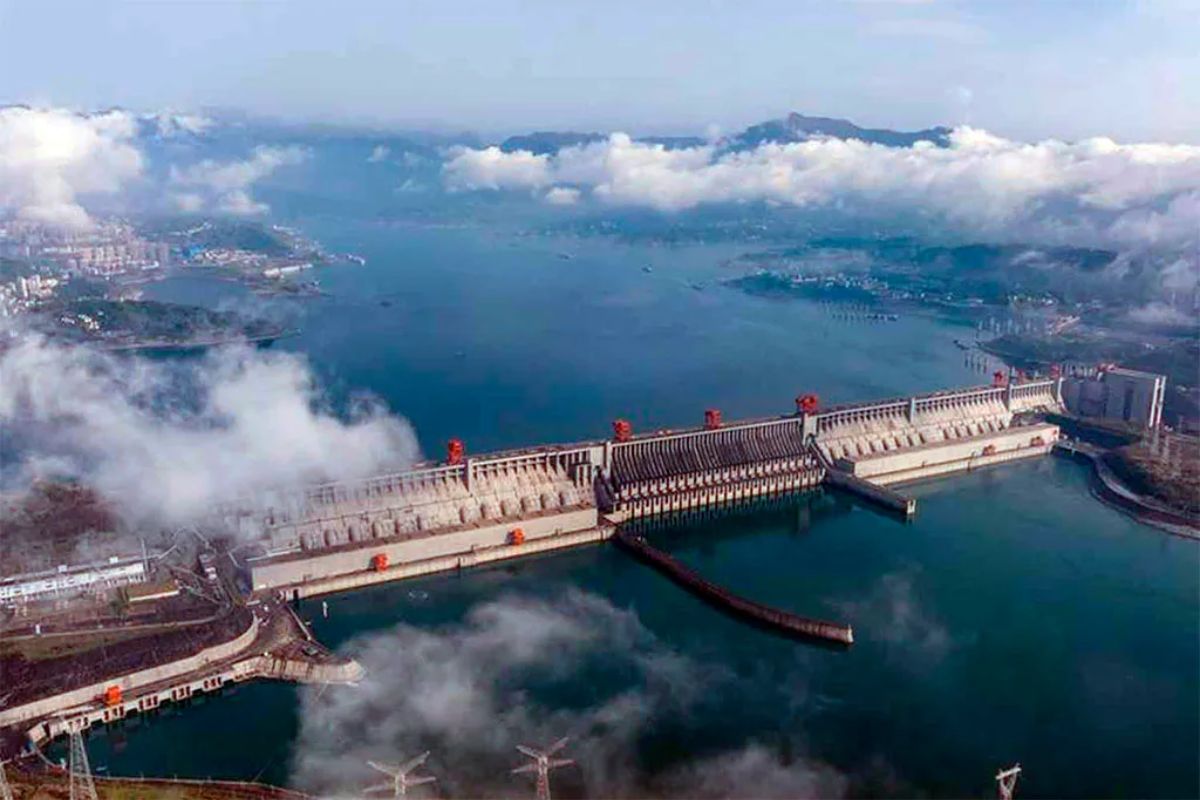


Discover Why There Is No Single Answer to What Is the Largest Dam in the World and Get to Know the Giants That Dominate in Different Categories, from China to Africa, Based on Engineering and Operation Data.
According to specialized publications such as the magazine International Water Power & Dam Construction, defining the largest dam in the world is not a simple task. The answer completely changes depending on the criterion used: energy generation capacity, height of the structure, volume of material used in construction, or the amount of water its reservoir can store. Each of these metrics reveals a different champion in a specific field of modern engineering.
While China hosts the undisputed giant in energy production, the title of tallest belongs to a structure in Tajikistan, which will soon be surpassed by a neighbor in the same country. The largest volume of water retained is in an artificial lake in Africa. This diversity shows the complexity and grandeur of these monumental projects spread across the globe.
The Giant in Energy Generation and Structural Volume
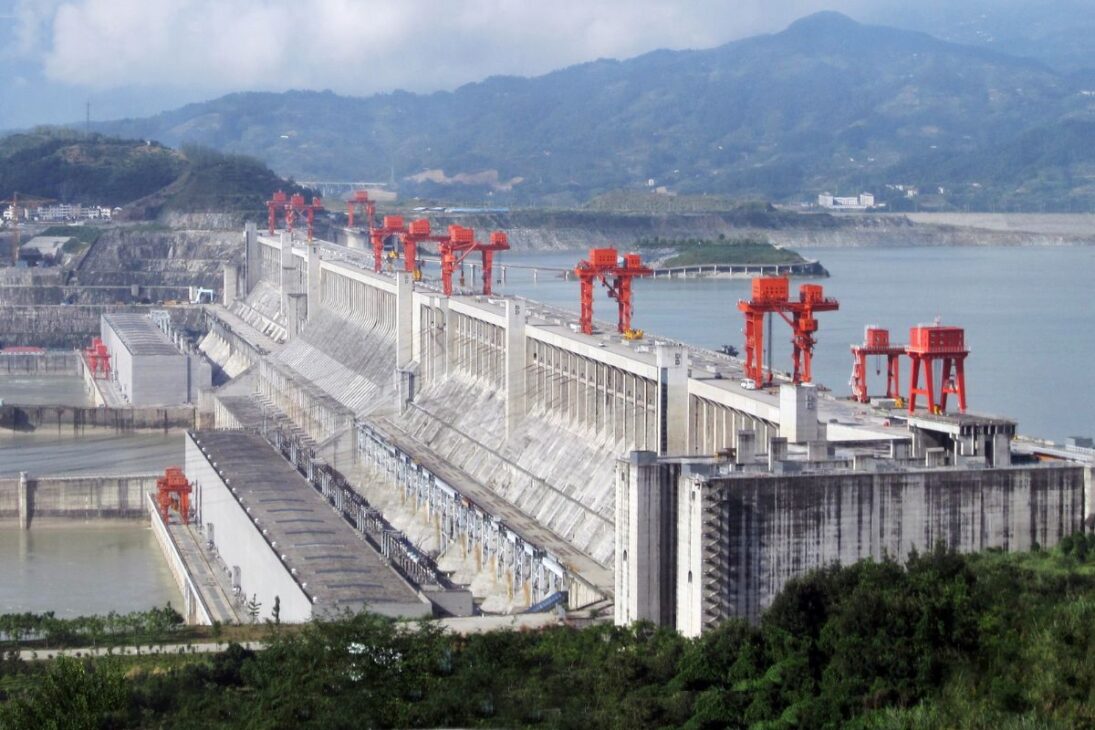
When the criterion is energy generation capacity, the answer is clear and straightforward: the Three Gorges Dam in China. Located on the Yangtze River, this is undoubtedly the largest hydropower plant on the planet. Its installed capacity is 22,500 megawatts (MW), distributed across 34 main turbines, enough to supply tens of millions of households.
-
Brazilian Startup Develops Recycled Plastic Bricks, Cutting Construction Costs by 40% and Speeding Up Building by 90%

-
Tarcísio Opens New São Paulo Metro Line After 18-Year Wait, Offering Free Rides at 6 Stations and Aiming to Cut Commute to 23 Minutes for 633,000 Daily Passengers
-
Facing a housing shortage, Hong Kong uses prefabricated concrete modules to construct a 12-story public building with the help of massive cranes and trucks.

-
Amsterdam Repurposes Retired Boats and Plants to Restore Contaminated Industrial Land Instead of Removing All Polluted Soil


Officially inaugurated in 2012, the dam is a colossal work not only in energy but also in volume. The construction of the Three Gorges utilized approximately 27.2 million cubic meters of concrete, making it the largest concrete structure in the world. Its primary purpose is flood control, in addition to energy generation and improving river navigation.
Nurek and the Future Rogun Dam
If the measure is the height of the structure, the title of largest dam in the world goes to Central Asia. Currently, the Nurek Dam in Tajikistan holds the record for tallest, at an impressive 300 meters high. Built on the Vakhsh River during the Soviet period and completed in 1980, it is a rock-fill dam with a clay core, a remarkable engineering project for its time.
However, Nurek’s reign is numbered. On the same river, the Rogun Dam is in advanced construction phases. When completed, it will become the tallest in the world, with a projected height of 335 meters. The project, also in Tajikistan, aims to ensure the country’s energy independence and become a pillar in electricity export to neighboring nations.
Kariba, the Largest Artificial Water Reservoir on the Planet
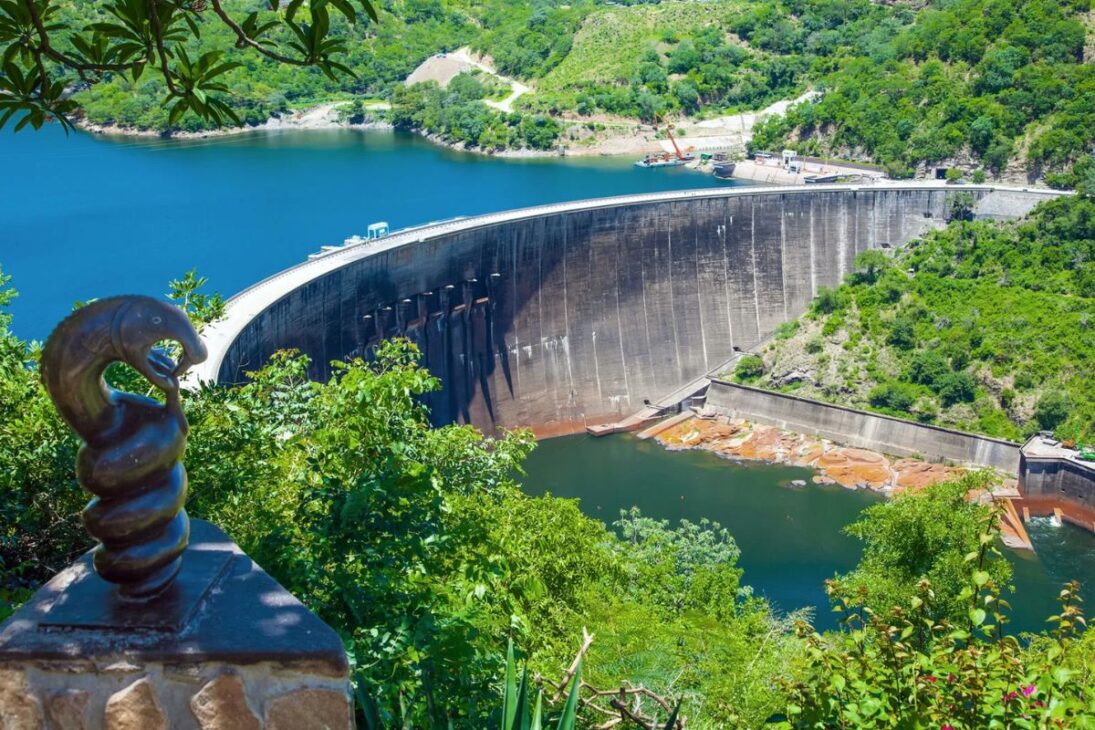
Shifting the focus to the volume of water retained, the largest dam in the world is in Africa. The Kariba Dam, located on the Zambezi River at the border between Zambia and Zimbabwe, creates the largest artificial reservoir in the world by volume. Lake Kariba holds a colossal 185 billion cubic meters of water, a quantity difficult to visualize.
Completed in 1959, the double-arch concrete dam primarily functions to generate hydropower for both countries. The gigantic reservoir it forms extends over 280 kilometers and plays a crucial role in the region’s economy and ecology.
And Itaipu Hydroelectric Plant, Where Does It Fit In?
The Itaipu Hydroelectric Plant, a partnership between Brazil and Paraguay on the Paraná River, was for a long time the world leader in energy generation. Although its installed capacity (14,000 MW) has been surpassed by Three Gorges, Itaipu still holds annual and cumulative production records, thanks to the constant flow of the Paraná River.
In 2016, the binational plant set the world record for annual generation, with over 103 million MWh. Therefore, it is often cited among the largest and most efficient dams in the world, being a source of national engineering pride.
The Impact and Engineering Behind the Mega Structures
The construction of any of these mega structures represents a significant engineering and logistics challenge, involving decades of planning and billions of dollars in investment. They are vital for renewable energy supply, flood control, and water supply for agriculture and human consumption.
However, they also generate significant socio-environmental impacts, such as population displacement and alteration of river ecosystems, topics that are the subject of intense studies and debates by organizations worldwide. The quest for the largest dam in the world continues to drive innovation, but also responsibility.


