






 Portuguese
  Spanish


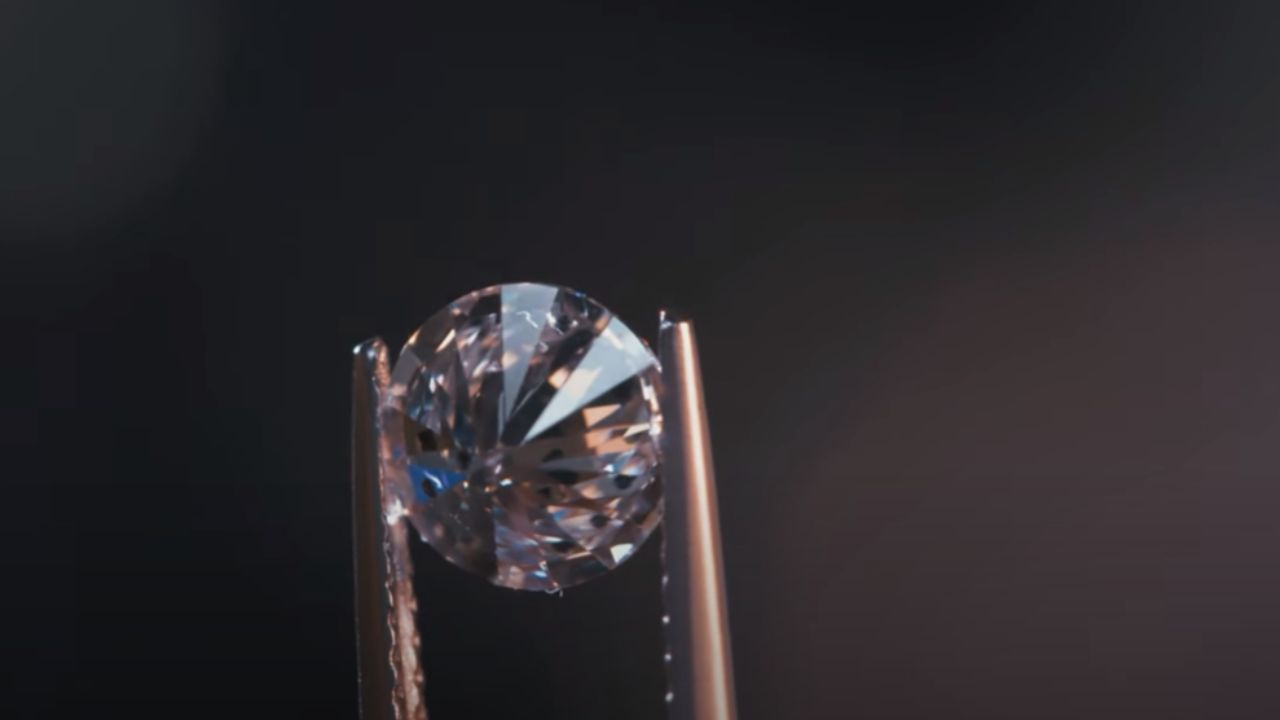

Imagine A Battery That Never Needs To Be Recharged, Capable of Providing Energy for Thousands of Years. It Sounds Like Science Fiction, but It Is Already Reality. Researchers at the University of Bristol, in Partnership with the UK Atomic Energy Authority (UKAEA), Have Developed a Diamond Battery That Uses Carbon-14 to Generate Electricity Continuously.
This innovation Represents a Significant Leap for the Energy Storage Industry, Offering an Extremely Durable and Efficient Solution. But How Does This Technology Work and What Are Its Applications? Let’s Explore the Details of This New Battery.
How Does the Carbon-14 Battery Work?
The Carbon-14 Battery Operates Similarly to a Solar Panel, but Instead of Converting Light into Electricity, It Harnesses the Radioactive Decay of This Isotope to Generate Energy. Carbon-14, Which Is Used for Dating Archaeological Materials, Releases Fast-Moving Electrons During Its Decay, Creating a Steady Electric Current.
To Ensure Safety and Efficiency, the Radioactive Material Is Encapsulated in a Diamond Structure. This Material Not Only Protects Against Radiation but Also Optimizes Energy Conversion, Making the Battery Extremely Safe for Various Applications.
-
Brazil Aims to Become a Global Exporter of Green Hydrogen, the Clean Fuel Set to Generate Billions

-
Brazil to Hold First Offshore Wind Energy Auction, Aiming to Become the Country’s New Hydropower
-
Brazil to Hold First Auction for Batteries to Store Solar and Wind Energy from the Northeast
-
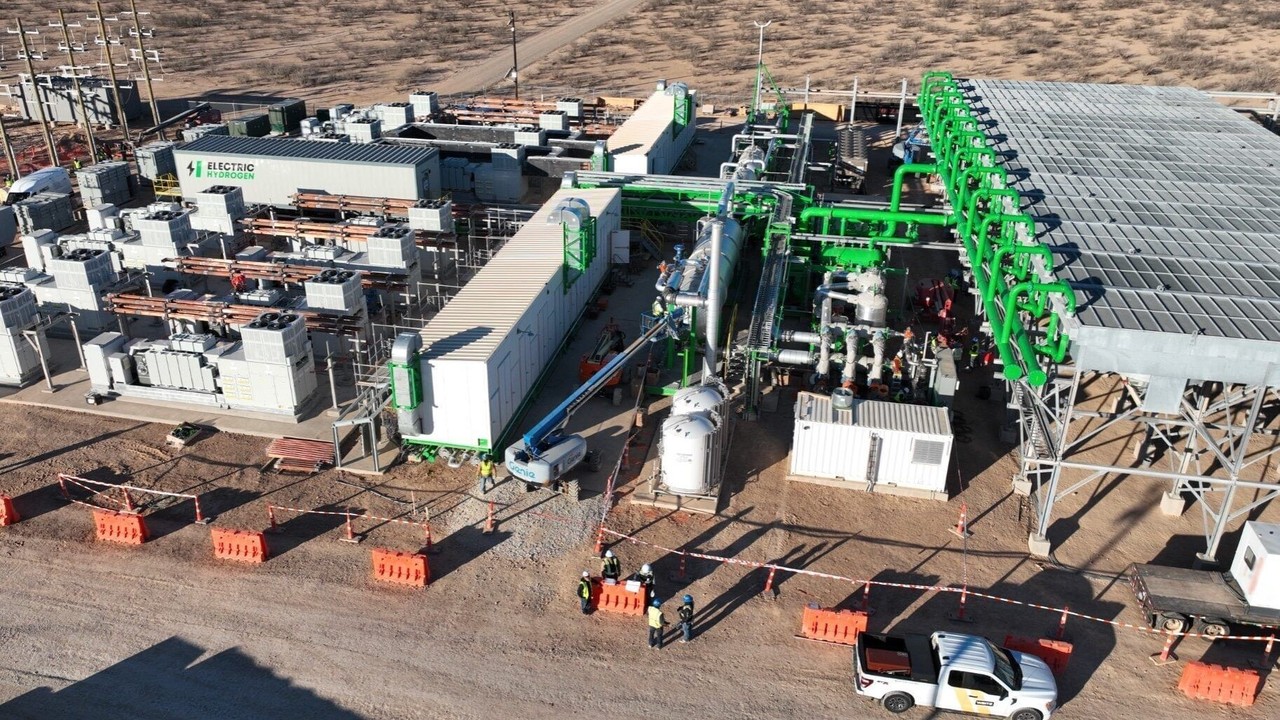
Brazilian scientists are simultaneously advancing two research projects on clean hydrogen and driving solutions that could transform the energy matrix, enhance industrial competitiveness, and accelerate large-scale emission reduction targets.



Why Is This Technology Revolutionary?
The Main Advantage of This Battery Is Its Longevity. While Conventional Batteries Need to Be Recharged or Replaced, the Carbon-14 Battery Can Provide Energy Continuously for Up to 5,700 Years. This Makes It Ideal for Situations Where Replacement Is Complicated or Impractical, Such as Outer Space or Hostile Environments on Earth.
One of the Most Impressive Aspects of This Innovation Is Its Ability to Reuse Nuclear Waste. The Carbon-14 Used Is Extracted from Discarded Graphite Blocks from Nuclear Reactors. This Means That, Besides Generating Clean and Lasting Energy, the Battery Also Contributes to the Reduction of Nuclear Pollutants.
The Diamond Encapsulation Ensures That There Is No Risk of Radiation Exposure, Making This Technology Safe for Use in Various Fields.
Applications of the Carbon-14 Battery
Medical Devices, Such as Pacemakers and Hearing Implants, Could Benefit Significantly from This Technology. With a Battery That Lasts for Millennia, Patients Would Not Need to Undergo Surgeries to Replace Depleted Batteries, Improving Quality of Life and Reducing Medical Costs.
Long-Duration Space Missions Face the Challenge of Continuous Energy Supply. With This Battery, Satellites and Space Probes Could Operate for Centuries Without Maintenance. Furthermore, It Can Be Used in Monitoring Stations in Deep Oceans or Remote Areas of the Earth, Ensuring Continuous Operation Without Human Intervention.





