Portuguese
  Spanish


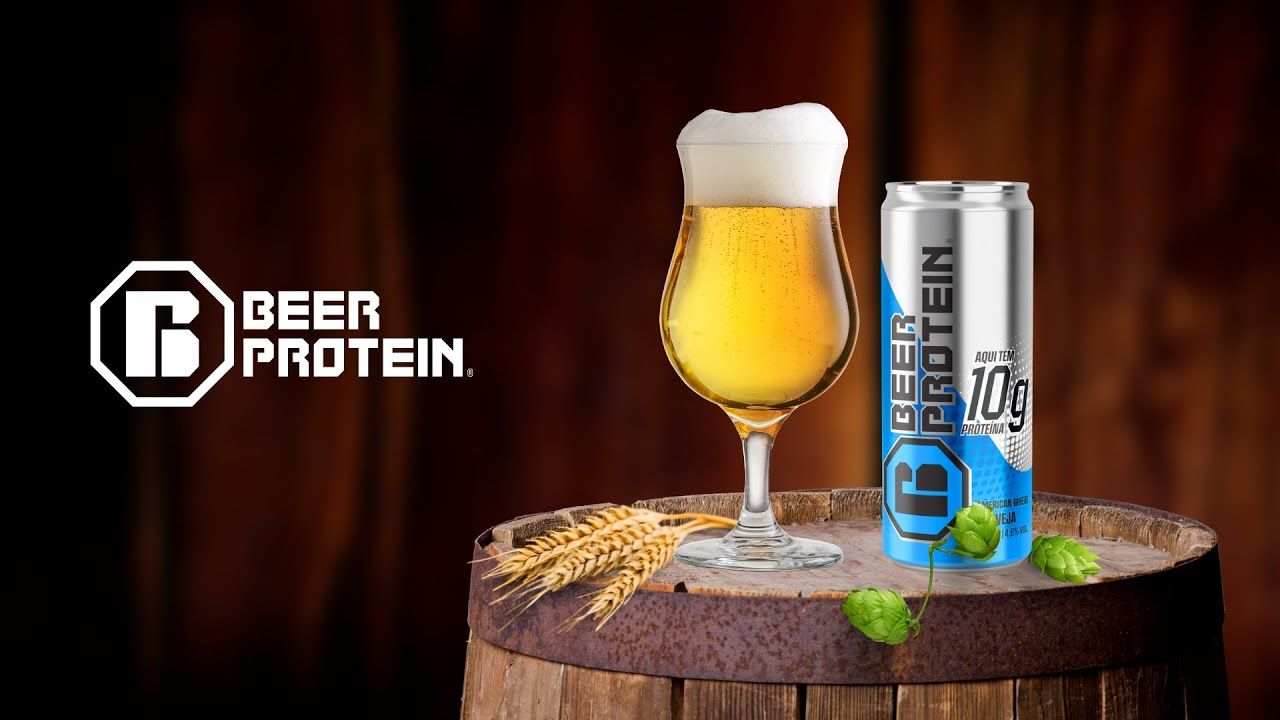

Meet Beer Protein, The First Protein Beer in Brazil. Understand How It Works, Its Nutritional Value, and Why It Doesn’t Replace Supplements Like Whey.
The beverage sector has just received an intriguing novelty: the Beer Protein, the first protein beer produced in Brazil. The proposal is to combine leisure and sports nutrition in a single product, something rare in this market.
According to information from Compre Rural, each can contains 10 g of protein, an amount similar to that found in many supplements used by people engaging in physical activity.
When three units are consumed, the intake reaches 30 g of the nutrient, exceeding even the average of one scoop of whey protein, which generally ranges between 20 g and 25 g.
-
Pennsylvania Mine Creates Ice in Summer Heat and Melts in Winter, Turning a Mountain Crevice into a Reverse Natural Refrigerator

-
China Accelerates Global Expansion of Robotics: From Smart Vacuums to Industrial and Humanoid Machines, Millions Exported to Over 150 Markets
-
Polar Air Mass to Hit Brazil: Temperatures to Plummet in Nine States, Near Freezing in the South with Frost Risk Until Monday
-
Chinese “dark factories” produce electric cars 24/7 with minimal human intervention, as Zeekr assembles 800 units daily, raising concerns in Brazil.





Beer Protein: How Does Protein Beer Work?
According to the manufacturer, the idea is to create an alternative for those who want to enjoy moments of relaxation without giving up protein intake.
Thus, the drink can be consumed in bars, gatherings with friends, and even after workouts, as it contributes to muscle recovery and preservation of lean mass.
However, Beer Protein is still a beer.
It maintains an alcohol content of 4% to 5% and contains a higher amount of calories and carbohydrates compared to powdered supplements.
Comparison with Whey Protein and Expert Warnings
Traditional sports supplements are designed to provide quality protein, with low calorie content, minimal presence of carbohydrates, and no added alcohol.
The so-called Beer Protein, however, presents a very different profile: each can contains on average 150 calories, a value that can reach 450 calories when consumption reaches three units — a quantity well above the approximately 120 calories found in one serving (scoop) of whey protein.
Average Nutritional Comparison:
| Product | Protein | Calories | Alcohol | Carbohydrates |
|---|---|---|---|---|
| Beer Protein (1 can) | 10 g | 150 kcal | 4% – 5% | Moderate |
| Beer Protein (3 cans) | 30 g | 450 kcal | 4% – 5% | High |
| Whey Protein (30 g) | 20 – 25 g | 120 kcal | 0% | Almost zero |
That is, those looking for protein with minimal caloric impact still find advantages in traditional supplements.
The protein beer should not be seen as a substitute for whey or nutrient-rich foods.
The alcohol content and caloric density — 450 calories when consuming three cans — can hinder the goals of those training with a focus on gaining lean mass or losing fat.
Still, the product may attract curious consumers and open space for new experiences in the functional beverage market.
More than just a simple novelty, Beer Protein inaugurates a niche of functional alcoholic beverages in Brazil.
This category merges social pleasure with nutritional benefits, albeit with caveats.
The arrival of this beer shows that the sector is attentive to the demands of an audience seeking innovation, even when the topic is combining health and leisure in the same can.
SOURCE: COMPRE RURAL