






 Portuguese
  Spanish


Learn How Bitcoin Works and Why It Is Changing the Way We Think About Money. Understand What It Is, the Benefits and the Risks of This Digital Currency.
Imagine a type of money that does not depend on banks, governments, or borders. A 100% digital money that you keep on your phone and can send to anyone in the world with just a few clicks. This is Bitcoin, one of the boldest innovations of the 21st century — and it is changing the way we understand money.
Created in 2009 by a mysterious programmer (or group) known as Satoshi Nakamoto, Bitcoin operates in a completely different way from traditional currencies like the real or the dollar.
Instead of being controlled by a central bank, it operates on a decentralized network called blockchain — a sort of public, tamper-proof ledger where all transactions are permanently stored.
-
Brazilian Startup Turns Coffee Grounds into Plant-Based Leather, Cutting Water Use by Over 50 Times for High-Impact Sustainable Fashion

-
Eco Invest Auction Aims to Unlock $10 Billion in Investments, Focusing on Green Fertilizers, Critical Minerals, Batteries, and AI for Clean Industry in Brazil

-
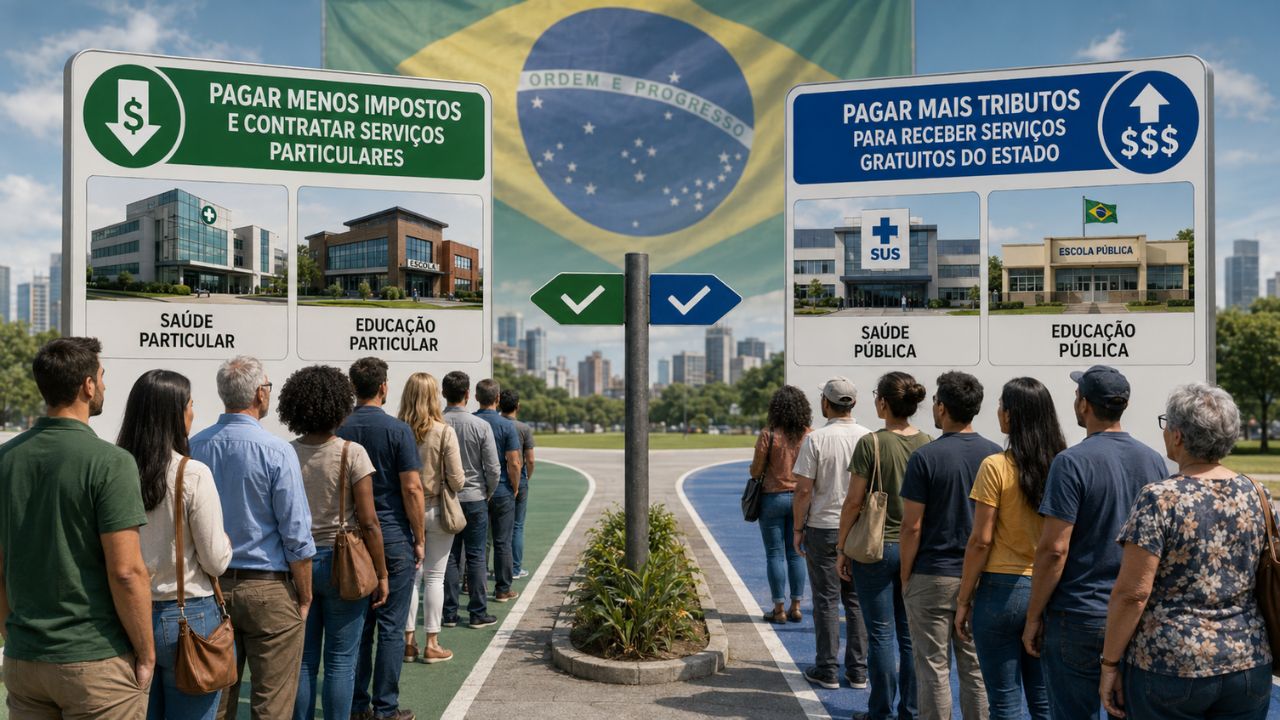
Half of Brazilians Prefer Lower Taxes with Private Health and Education, While 44% Opt for Higher Taxes for State-Provided Services, Datafolha Survey Reveals

-
Brazil’s Most Expensive Toll Rises to R$ 40.60 on Route from São Paulo to the Coast, Nearly Matching Bus Fare to Santos



But What Does Bitcoin Mean in Practice?
This means that with Bitcoin, you do not need intermediaries. If you want to send money to someone on the other side of the world, you can do it directly, without going through banks, paying lower fees and with greater agility.
It’s as if each person has their own bank in their pocket — through digital wallets that work on apps on the phone or computer.
In addition to convenience, Bitcoin also brings a powerful concept: that of financial freedom. In countries where access to banking services is difficult or where money loses value quickly, it can represent a real alternative.
And there’s more: unlike common currencies, which can be printed without limit, Bitcoin has a clear rule — only 21 million units can ever exist. This makes it scarce and, for many, even more valuable.
But beware: the world of Bitcoin also has its risks. The price of the currency can vary greatly in a short amount of time, like a roller coaster.
One day it’s breaking records, the next it drops. Therefore, experts recommend caution for those thinking of investing: it is necessary to study, keep an eye on the market, and never bet more than you are willing to lose.
Whether as an investment, as a form of payment, or as a symbol of a new digital era, Bitcoin continues to generate debates, attract the curious, and shape the future of money. One thing is certain: it is not just another internet fad.
Did you already know what Bitcoin was?









Interessante… Mas não sei se boto fé