Portuguese
  Spanish


Insider developed a coffee grounds biocuir that promises to drastically reduce water usage and accelerate biodegradation, in a test that could pave the way for new materials in fashion.
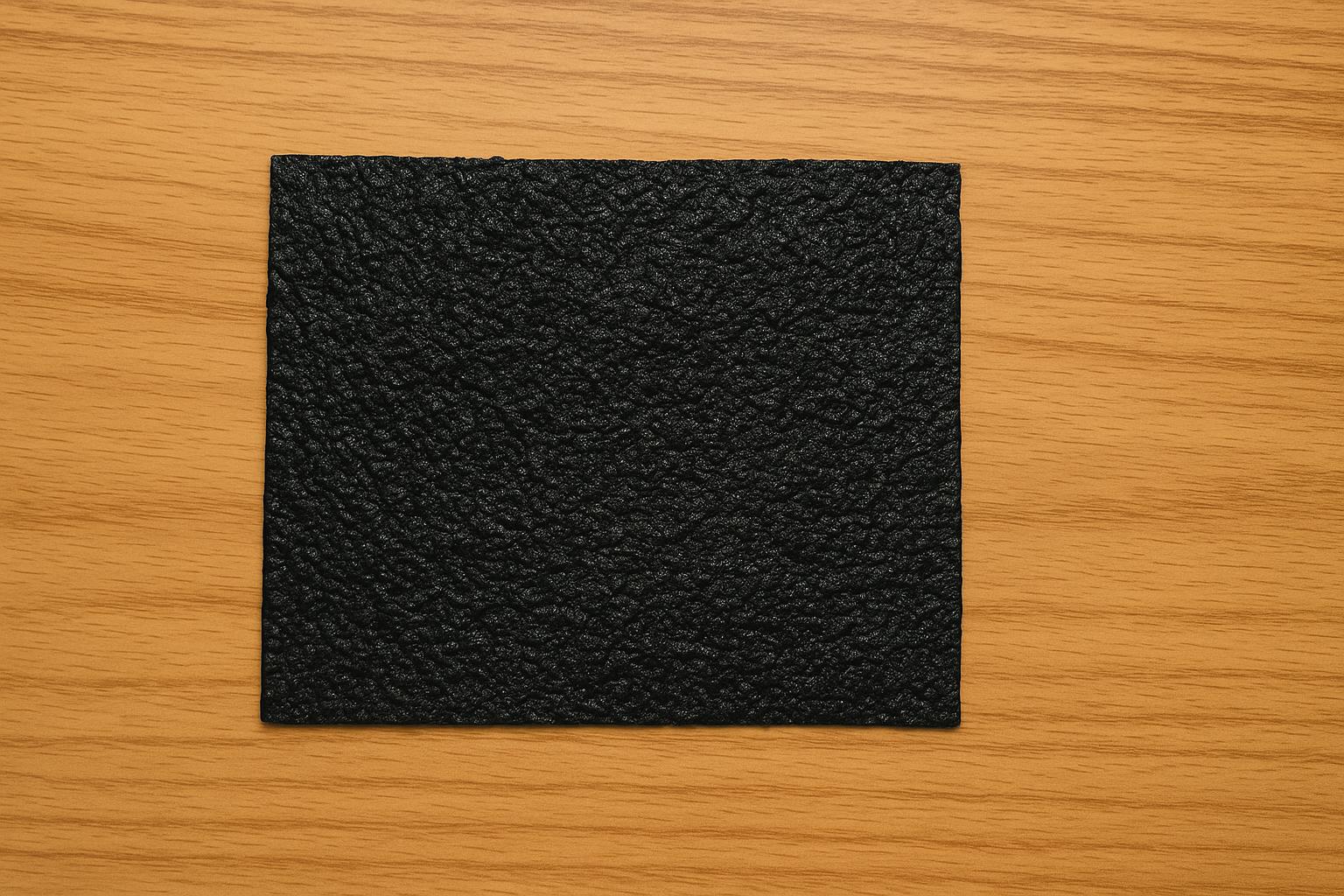
The Brazilian fashion startup Insider introduced an alternative material to leather made from coffee grounds, a residue left over every day in the preparation of the beverage. The project is still in the experimental phase, but it already draws attention for combining plant origin, lower water consumption, and faster decomposition than traditional materials.
According to Exame, the biocuir was developed in the laboratory over three months and went through about 30 prototypes until achieving a texture, resistance, and appearance close to conventional leather. For now, it will be showcased in a concept piece: an exclusive design jacket, with no forecast for large-scale sales.
The numbers released by the company help explain why the material became the company’s bet. In internal tests, about 50% of the biocuir decomposed in soil in 15 days, and approximately two-thirds disappeared in 30 days. In the same period, samples of animal leather and synthetic materials made with polyurethane and PVC showed no significant changes.
-
Eco Invest Auction Aims to Unlock $10 Billion in Investments, Focusing on Green Fertilizers, Critical Minerals, Batteries, and AI for Clean Industry in Brazil

-
Half of Brazilians Prefer Lower Taxes with Private Health and Education, While 44% Opt for Higher Taxes for State-Provided Services, Datafolha Survey Reveals

-
Brazil’s Most Expensive Toll Rises to R$ 40.60 on Route from São Paulo to the Coast, Nearly Matching Bus Fare to Santos

-
As Brazil Expands Social Welfare, Survey Reveals 40% Blame Poverty on Laziness, While 58% Cite Lack of Opportunities





Production uses less than two liters of water per square meter
Another strong point of the development is water consumption. Insider claims that traditional leather tanning can require more than 100 liters per square meter, while the new material uses less than two liters for the same area. In comparison, the reduction exceeds 50 times.
Furthermore, the estimated composition of the biocuir is at least 75% plant-based materials. Each square meter uses 3.8 grams of dry coffee grounds, transforming an agro-industrial residue into raw material for fashion.
According to the Brazilian Coffee Industry Association, this amount is equivalent to about 30% of the average daily consumption of ground and roasted coffee per person in the country. The data gives a sense of what usually goes to waste and can now be utilized in a new production chain.
From grounds to fabric: the challenge was to unite aesthetics and performance
For Karen Prado, leader of Research and Development at Insider, the main challenge was to create an alternative that delivered performance and appearance without repeating the environmental impacts of animal leather or plastic-derived synthetics.
The company says that the project was born as a research and development initiative focused on new materials for fashion. The jacket presented now serves as a showcase for the technology and not as an immediate commercial launch.
Even at an early stage, the material enters a competition that has been gaining strength in the fashion world: the search for options that reduce pressure on water, natural resources, and waste. The startup’s promise is precisely to take a daily waste and turn it into a higher value-added application.
Global market for leather alternatives already moves millions
Insider’s bet comes at a time when the market for leather alternative materials is growing abroad. Data from consultancy Future Market Insights indicates that these products are expected to move around US$ 805 million per year, with an average growth of 6.6% per year until 2030.
This movement is driven by the demand for vegan products, cruelty-free, and for solutions considered less polluting than conventional synthetic leathers. In the Brazilian case, the company tries to show that innovation can be born from an abundant waste and gain scale without losing aesthetic appeal.
For now, the bio-leather remains in the experimental phase, but the tests already place the technology as one of the most curious bets of sustainable fashion made in Brazil. If the proposal advances, coffee grounds may cease to be just a daily leftover and become the raw material of a new industry.
We want to know: would you wear a piece made with coffee grounds? Comment and share this article.