






 Portuguese
  Spanish



The Largest Annual SAF Purchase By Boeing Aims To Boost Aerial Sustainability
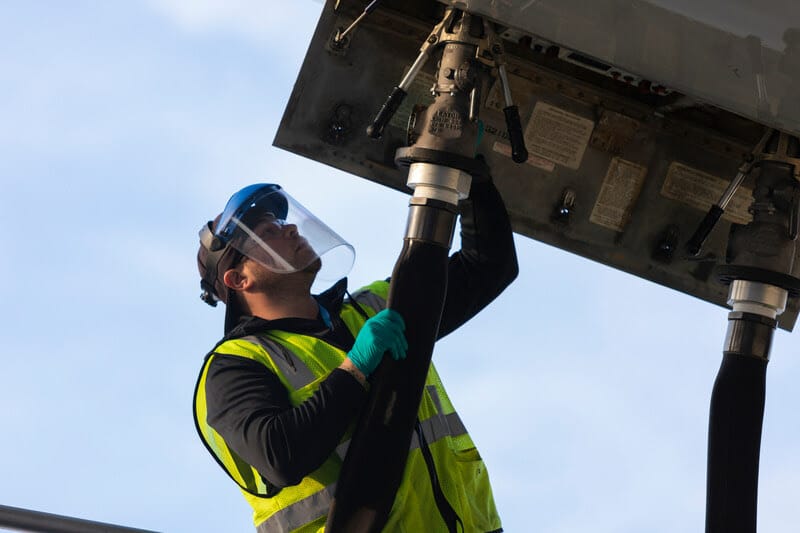
Boeing, a global leader in the aerospace sector, has completed the purchase of 9.4 million gallons of sustainable aviation fuel (SAF) blend for its commercial operations in the United States for the year 2024. This volume, representing a 60% increase from the previous year, is the largest ever acquired by the company in a single year, marking a significant step in reducing carbon emissions and advancing the global availability of SAF.
Details Of The Composition And Use Of SAF
The acquired blend consists of 30% SAF, produced from residual by-products such as fats, oils, and greases, and 70% conventional aviation fuel. This blended fuel will be used in innovative projects such as the Boeing ecoDemonstrator program and also in commercial operational flights conducted in the United States, demonstrating the company’s ongoing commitment to cleaner and greener flying practices.
Ryan Faucett, Vice President of Environmental Sustainability at Boeing, emphasizes the importance of this initiative: “Sustainability is a constant priority in our strategy, alongside safety and quality. Sustainable aviation fuel is crucial for the decarbonization of the sector, and we are committed to increasing its use to stimulate growth in this industry.”
-
OPEC+ Boosts Oil Supply by 188,000 Barrels per Day in July 2026, Leading to Price Drop from $112 to $89 per Barrel in Under Two Months

-
TotalEnergies Signs 20-Year Deal to Purchase 2 Million Tons of LNG from Alaska, Boosting Project Viability
-
Turkey Deploys Çağrı Bey Drilling Ship to Explore New Oil Frontier Off Somalia’s Coast
-
Golden Pass LNG Ships First Liquefied Gas Cargo from the U.S., Completing $10 Billion QatarEnergy and ExxonMobil Investment


Strategies For Increasing SAF Availability
Boeing plans not only to use but also to increase the availability and accessibility of SAF for its airline customers. This is achieved through collaborations, investments, research, and the development of policies aimed at expanding infrastructure and access to sustainable fuel.
In an additional effort to reduce CO2 emissions, Boeing will implement the book-and-claim method, where the company purchases SAF certificates that offset the use of conventional fuel, allowing for the delivery of blended SAF at strategic locations, such as nearby airports, for use by other airlines and carriers. This method facilitates a broader reduction of carbon emissions, aligning with global sustainability goals.
The blended SAF will be supplied by renowned companies such as EPIC Fuels and Avfuel, with Neste being the leading producer of the fuel. This partnership underscores Boeing’s commitment to suppliers who are at the forefront of producing cleaner and more efficient fuels for aviation.
This move by Boeing not only highlights its role as a leader in sustainable innovation in the aerospace sector but also serves as a catalyst for broader changes within the aviation industry, promoting a transition to more responsible and sustainable practices globally. Boeing continues to lead by example, demonstrating that sustainability and efficiency can go hand in hand with technological advancement and operational excellence.
Source: Carolina Bezerra.


