Portuguese
  Spanish



Report Shows That Less Than 7% Of Vehicles Sold In 2024 Were Electric And Points To Urgent Paths To Overcome Technical, Regulatory And Environmental Barriers
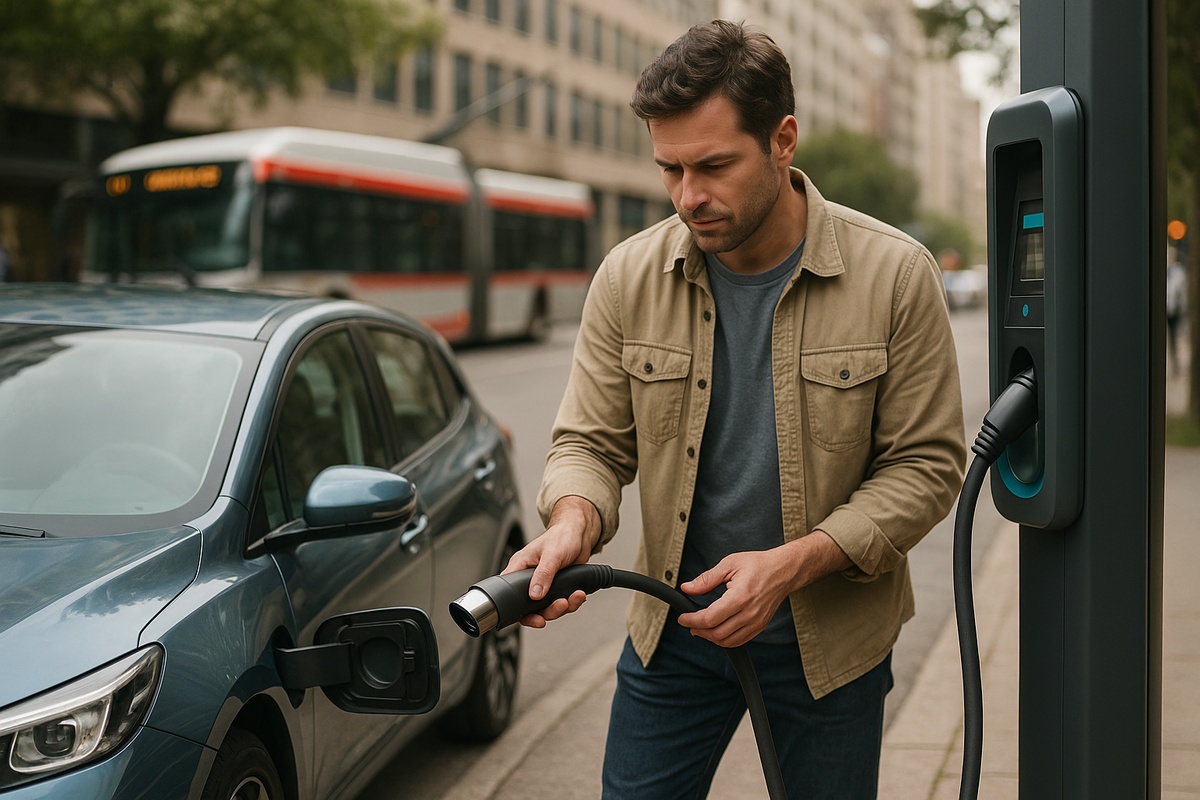
A survey published in July 2025 by Thymos Energia, one of the leading consulting firms in the national electricity sector, brought to light the obstacles Brazil faces to advance in electric mobility. Despite growth, only 7% of licensed vehicles in 2024 were electric, according to official data compiled by the study.
The report titled Electric Mobility: International Experience And Conditions For Its Diffusion In Brazil showed that electromobility requires deep adaptations in infrastructure. It also demands modern regulatory policies and coordinated investments.
Structural Bottlenecks In The Electricity Sector
According to the research, the electrification of the fleet demands modernization of electrical grids. It also requires decentralization of generation and complete digitalization of the system.
-
Jetour S06 Launches in Brazil as a More Affordable Plug-In Hybrid SUV Than BYD Song Plus and Haval H6, But Tests Highlight Its Shortcomings

-
Electric and Hybrid Cars Set to Transform Brazilian Streets: A New Era Begins
-
Chinese Giant Invests $1.3 Billion in Brazil to Produce 50,000 Cars Annually, Create Jobs, Develop Local Suppliers, and Manufacture Electric, Hybrid, and Combustion Models by 2027

-
Unprecedented achievement in India: a colossal 650-ton, nearly 3,000 hp excavator is transformed into 100% electric, marking a new phase in heavy mining.
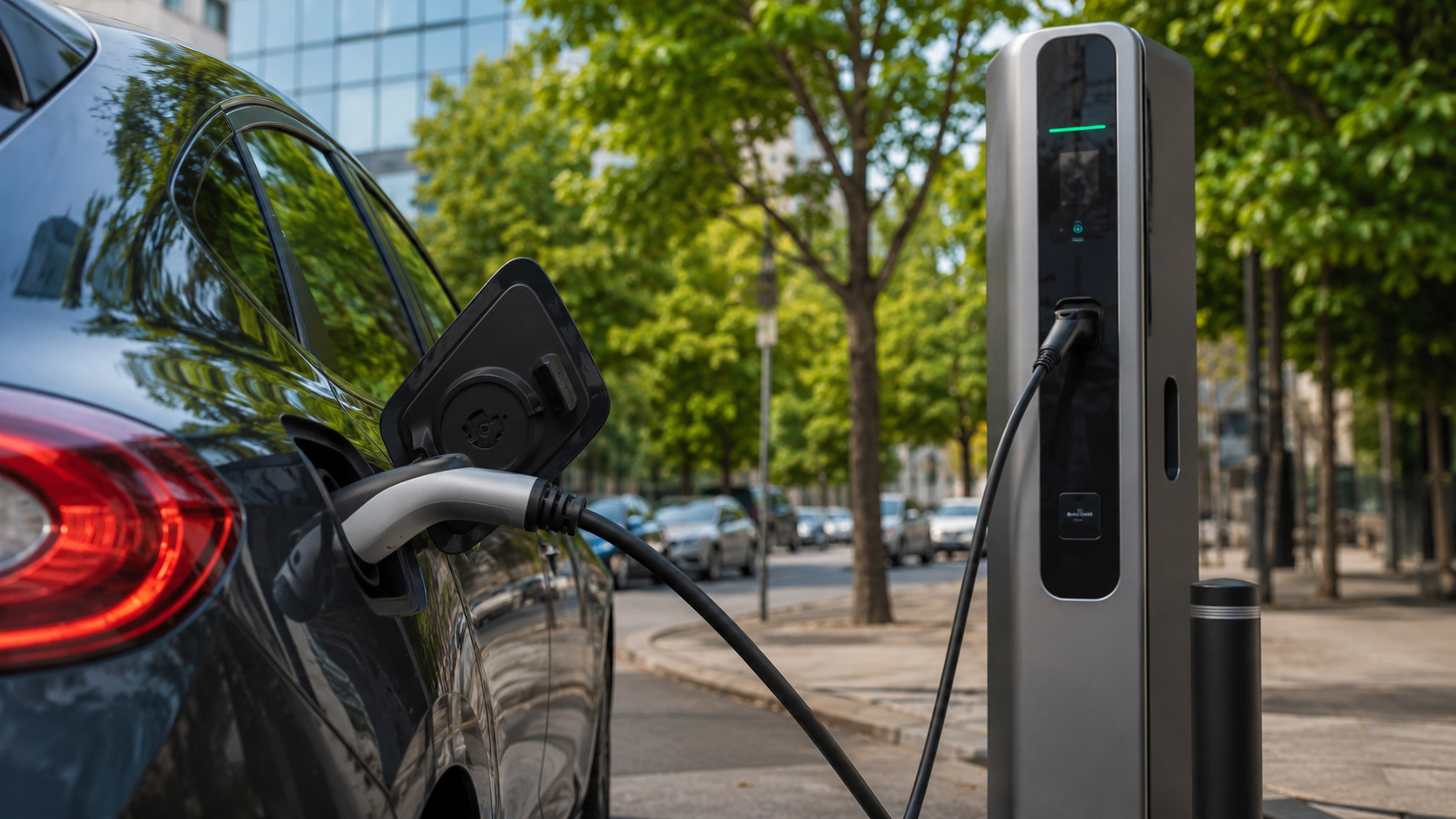

For Luiz Vianna, COO of Thymos Energia, the country needs to invest in smart charging and energy interchange between vehicles and the grid. He emphasizes that the transition only progresses with the joint involvement of government, the automotive industry, the energy sector, and consumers.
The expert highlights that the Brazilian tariff model, in effect in 2024, does not meet new demands. It will be necessary to create specific tariffs based on charging times and vehicle autonomy. He also points to the importance of regulatory mechanisms that ensure efficiency and encourage adherence.
Cautious Progress, But With Strong Potential
Although still representing a low proportion, electromobility grew 85% in sales in 2024 compared to 2023, according to the study.
In public transportation, the scenario is still limited. Only 1,000 electric buses were operating in 18 Brazilian municipalities in 2024, less than 1% of the national fleet.
To change this reality, the Federal Government launched the National Incentive Plan for Electromobility in Public Transport in 2024, in partnership with CEPAL (Economic Commission for Latin America and the Caribbean). Capitals like São Paulo, Curitiba, and Brasília initiated pilot projects. São Paulo is even evaluating the creation of Low Emission Zones (LEZ), which restrict combustion vehicles in central areas.
Environmental Challenges And Battery Recycling
The study also addressed environmental impacts. The disposal of lithium-ion batteries presents risks for the country without a national recycling chain.
The proposal is to create processing and repurposing centers. This measure can reduce environmental liabilities, decrease waste exports, and foster a circular economy. Furthermore, it may generate jobs and promote technological innovation.
Global Scenario At An Accelerated Pace
While Brazil advances slowly, global sales of electric vehicles reached 14 million in 2023 and 17 million in 2024, according to the International Energy Agency (IEA).
China accounted for 60% of sales in 2024 and concentrated 76% of the global market by October of that year. The country also leads in charging infrastructure, battery production, and electrification of heavy fleets.
In Europe, Germany consolidated incentive policies such as subsidies and tax exemptions. In addition, it has a dense and interoperable public infrastructure. In Latin America, Chile leads with 2,600 electric buses in operation in 2024. Close behind, Colombia has 1,700 vehicles, numbers well above those in Brazil.
Electric Mobility As Part Of The Energy Transition
According to Victor Ribeiro, Strategic Consultant at Thymos Energia, electric mobility is not just a trend. It Integrates The Global Energy Transition and should be conducted with planning, modern regulation, and focus on sustainability.
He emphasizes that the Brazilian electricity sector needs to act quickly to keep pace with the transformation.
Electromobility In Brazil Is Growing, But Still Faces Regulatory, Environmental, And Structural Barriers That Limit Its Advance. The Potential Is Undeniable, But Is The Country Ready To Transform This Scenario Into A Sustainable And Competitive Reality?