Portuguese
  Spanish



The Brazilian Government Continues to Uphold Its Commitment to Combat the Climate Crisis and Promote Sustainable Development, as Well as Chemical Product Regulations. Recently, Brazilian and U.S. Leaders Met Three Times in São Paulo, Brasília, and Washington DC to Align on These Issues.
During a meeting in Brasília in February 2023, Brazil’s Minister of Environment and Climate Change, Marina Silva, met with the U.S. Special Presidential Envoy for Climate, John Kerry. On this occasion, both committed to discussing cooperation areas like combating deforestation, strengthening clean energy deployment, and promoting low-emission agriculture.
They also agreed to work together through initiatives such as the Global Methane Commitment and the United Nations Framework Convention on Climate Change. During the Brazilian president’s official visit to the U.S. in February 2023, President Joe Biden announced his intention to work with the U.S. Congress to provide funds to protect and conserve the Brazilian Amazon, including initial support for the Amazon Fund.
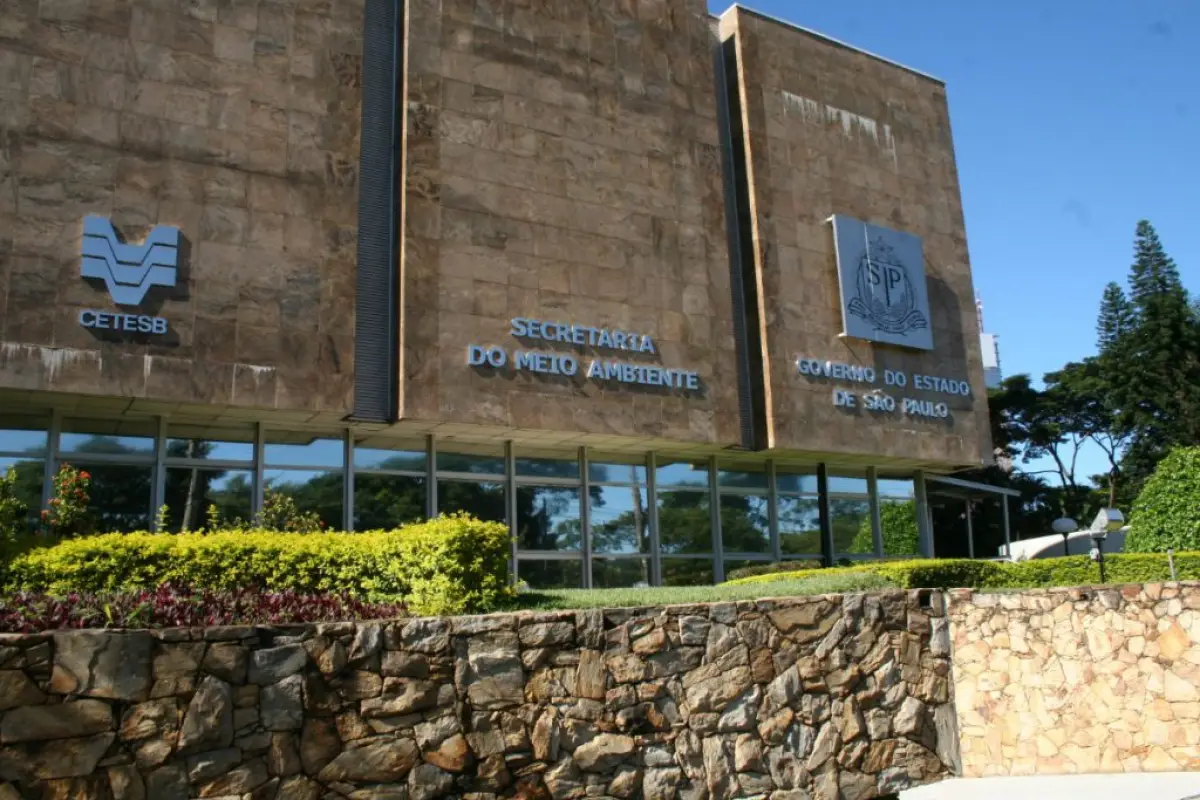
In another meeting, the U.S. Consul General in São Paulo, David Hodge, visited the CEO of the Environmental Company of the State of São Paulo (CETESB), Thomaz Toledo, to reaffirm the long-standing commitment of the U.S. Environmental Protection Agency (EPA) to CETESB.
-
Fired during apartheid and with a little borrowed money, an electrician started with a borrowed truck and transformed electrical services into a group connected to energy, real estate, and infrastructure in South Africa.

-
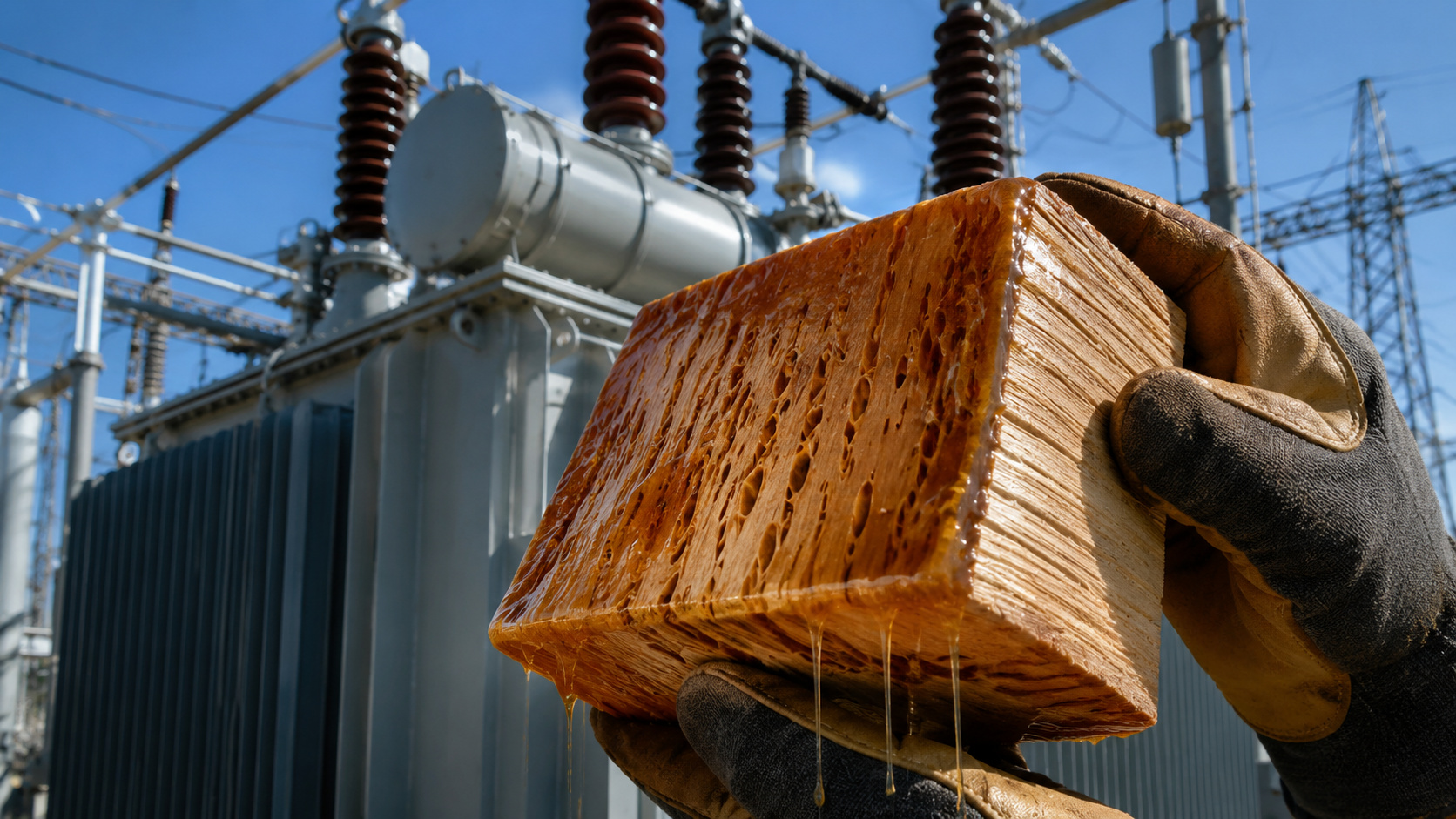
Wood has ceased to be just a construction material in Yale research and has become insulation for electrical transformers that face intense heat, aging, and increasing pressure from the renewable energy-powered grid.
-
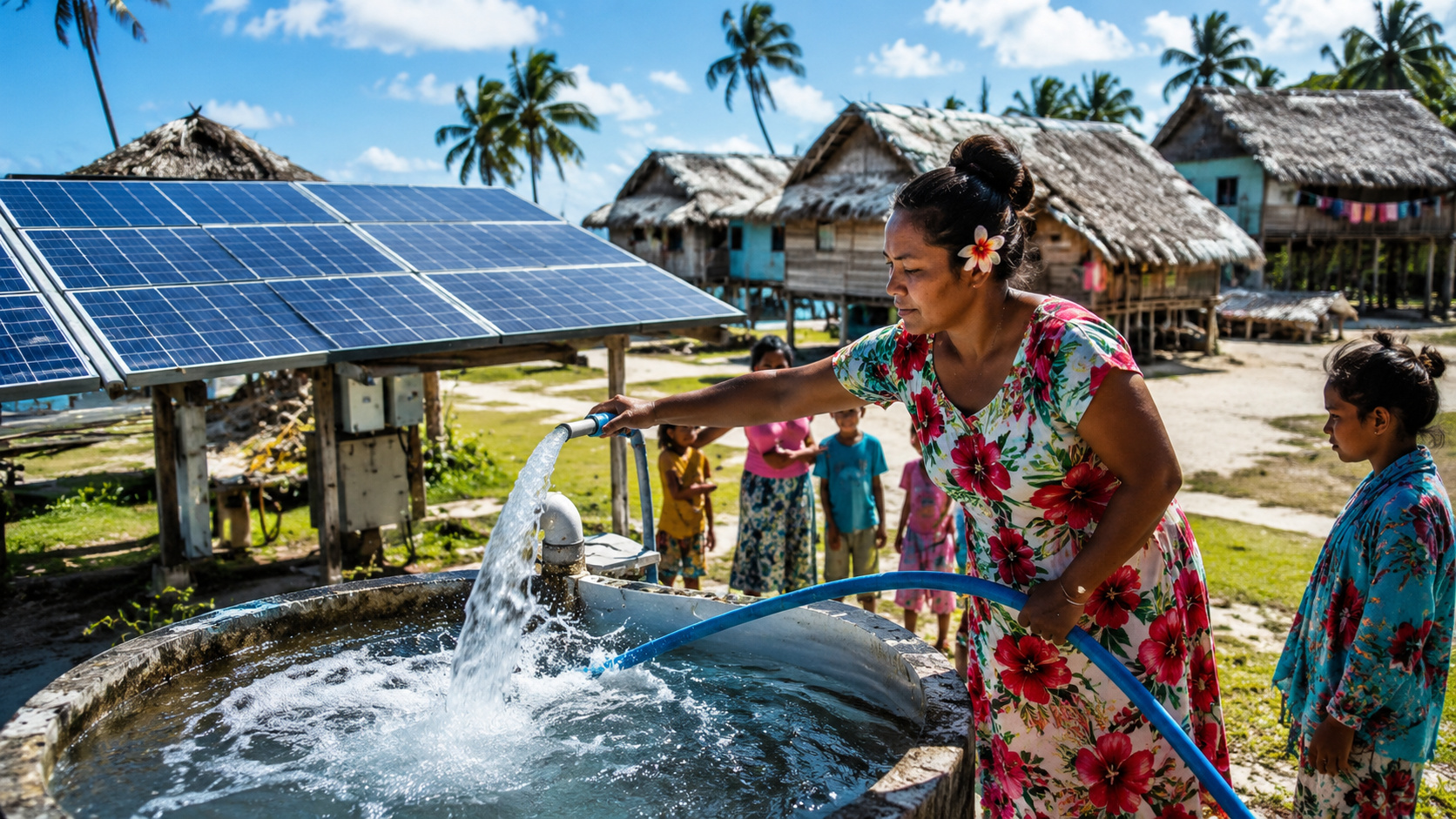
More than 1,000 residents of a remote island in Kiribati now have clean water and electricity with solar systems operated by the community itself.
-
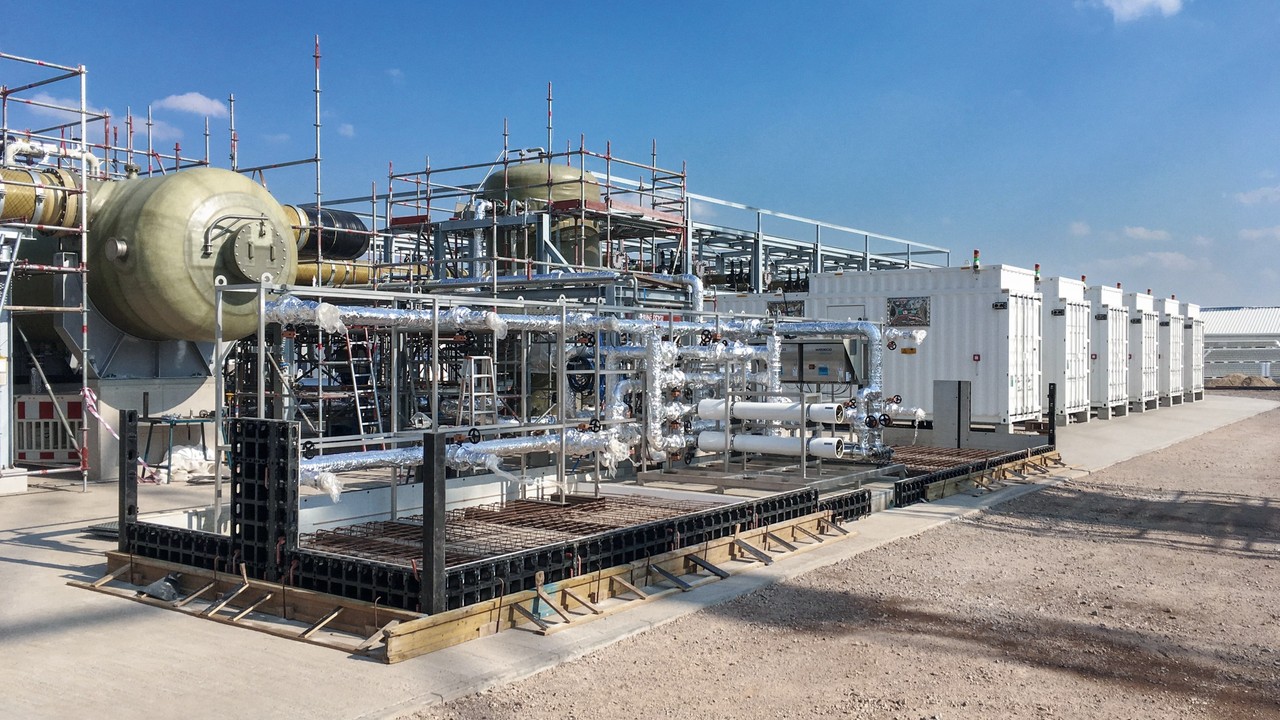
Ceará brings together 7 giants and R$ 66 billion to transform Pecém into the largest green hydrogen hub in Brazil, with final decisions expected by the end of 2026.


It is important to highlight that the Brazilian government has taken significant steps to combat the climate crisis and promote sustainability. Brazil has made progress in regulatory initiatives with federal and state agencies related to emerging contaminants, waste from ozone-depleting substances, and the oil, gas, and telecommunications sectors. This commitment from the Brazilian government is crucial to addressing environmental challenges and maintaining the planet’s ecological balance.
The Brazilian Government, in Partnership with the United Nations Development Program (UNDP), Launched on This Monday (29) the “Guide for the Management and Environmentally Sound Final Disposal of Ozone-Depleting Substances (ODS)”
To prevent gases from being released back into the atmosphere, the National Agency of Petroleum, Natural Gas and Biofuels (ANP) made public, in the Official Gazette, a hearing to unify procedures for bidding exploration and production areas for oil and natural gas under the concession and production-sharing regime.
The National Telecommunications Agency (ANATEL) will hold two remote workshops to discuss its priorities and enhance technological tools for the use of radiofrequency spectrum, certification, and homologation of telecommunications products.
The Environmental Company of the State of São Paulo (CETESB) hosted, on February 27 and 28, the seminar “Support for the Global Monitoring Plan (GMP) of Persistent Organic Pollutants (POPs) of the Stockholm Convention – Phase 2,” where results of monitoring PFAS, PBDEs, and PBBs in Brazil were presented.
CETESB also announced its commitment to advance, in 2023, the regulatory framework for emerging contaminants in the country, including monitoring the waters of the state of São Paulo for PFAS present in 4,700 industrial chemical products. All monitoring data on emerging contaminants is available on CETESB’s portal.